
Key Takeaways
- Ipamorelin is not FDA-approved for any use and lacks robust human clinical evidence supporting popular claims about fat loss, muscle gain, and anti-aging despite triggering temporary growth hormone release.
- The primary human trial tested ipamorelin for postoperative bowel recovery, not weight loss or anti-aging, and showed statistically insignificant results while the FDA has flagged serious safety concerns including deaths.
- Compounded ipamorelin products carry undocumented immunogenicity and purity risks, and long-term safety data for subcutaneous wellness injection regimens remains completely unstudied.
- Before considering ipamorelin, consult a licensed physician about FDA approval status, peer-reviewed evidence, known risks, proven alternatives, and who will monitor your safety.
Ipamorelin has become one of the most talked-about peptides in wellness circles. Social media posts promise fat loss, muscle gain, better sleep, and anti-aging effects. But what does the actual science say? At InCare, our primary care team believes patients deserve honest answers before considering any peptide product. This article breaks down what ipamorelin actually does, what the research shows, and why medical guidance matters more than trending claims.
If you are exploring wellness options in Tampa or Riverview, understanding the real evidence behind ipamorelin can help you make safer, smarter choices about your health.
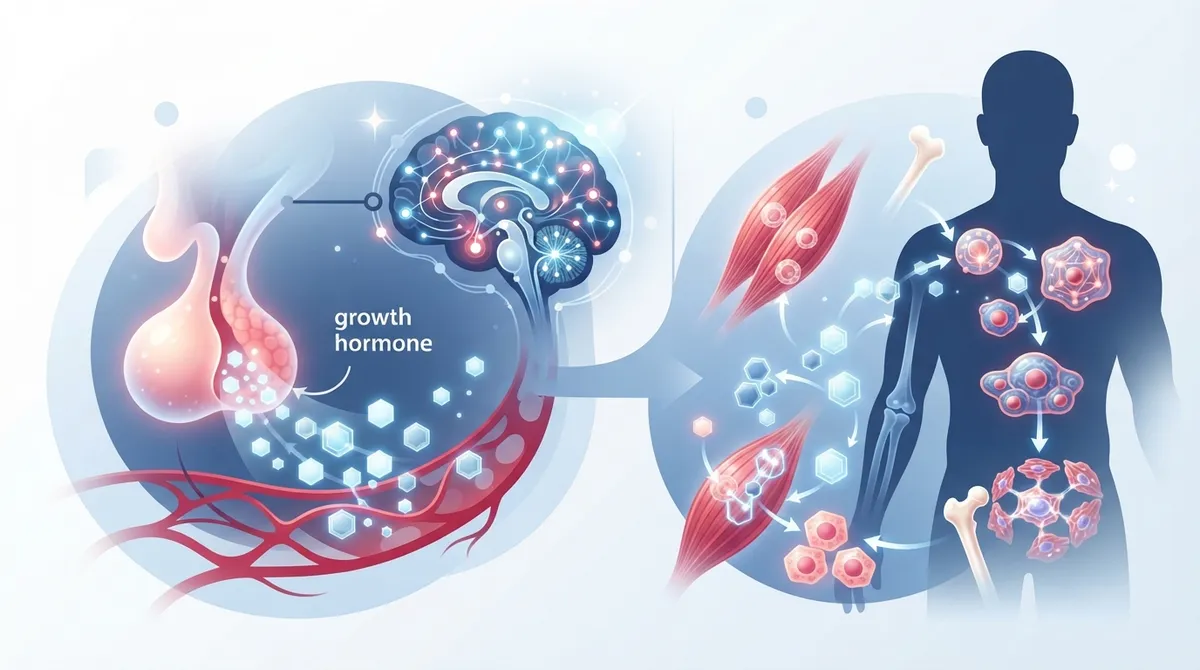
1. Ipamorelin Is a Growth Hormone Secretagogue, Not a Miracle Peptide
Ipamorelin is a synthetic compound known as a ghrelin-receptor agonist. In simple terms, it can trigger a short burst of growth hormone release in the body. This is a real, measurable effect seen in pharmacology studies.
However, a temporary hormone spike is not the same as a proven health benefit. Many marketing claims jump from "it raises growth hormone" to "it burns fat" or "it builds muscle." That leap is not backed by strong human research. Understanding this distinction is the first step toward making informed decisions about your wellness plan.
2. Claims About Fat Loss and Muscle Gain Lack Solid Evidence
Many wellness ads suggest ipamorelin helps with weight loss, lean muscle, or workout recovery. These are popular claims, but they are not demonstrated in adequate clinical trials. There is no robust human data showing ipamorelin reliably improves body composition or exercise performance.
This does not mean the compound has no biological activity. It means the specific benefits often advertised have not been proven in controlled studies. If your goal is fat loss or muscle building, our weight loss programs use approaches backed by stronger clinical evidence and physician supervision.
Common Marketed Claims vs. What Research Shows
|
Marketed Claim |
What the Evidence Shows |
|---|---|
|
Fat loss |
No adequate human trials confirm this benefit |
|
Muscle gain |
Not demonstrated in controlled studies |
|
Better sleep |
No strong clinical support |
|
Anti-aging effects |
Unproven in human research |
|
Growth hormone deficiency treatment |
Not an approved or studied use |
3. The Main Clinical Trial Studied Something Very Different
Here is a fact many wellness sellers leave out. The primary randomized human study of ipamorelin did not test weight loss or anti-aging. It looked at postoperative bowel recovery after surgery.
In that Phase 2 trial, patients who had bowel resection surgery received either ipamorelin or a placebo. Researchers measured how long it took patients to tolerate their first meal. The ipamorelin group averaged 25.3 hours, compared to 32.6 hours for placebo. That sounds promising, but the difference was not statistically significant, with a p-value of 0.15 (Beck et al., 2014). In plain terms, the result could have happened by chance.
The study also tracked side effects. Treatment-emergent adverse events occurred in 87.5% of the ipamorelin group and 94.8% of the placebo group. The trial enrolled 117 patients, with 114 included in the safety analysis. Development of ipamorelin for this specific use was later discontinued.
4. Ipamorelin Is Not FDA-Approved for Any Use
This is a critical fact for anyone considering peptide therapy. Ipamorelin has not received FDA approval for weight loss, muscle building, anti-aging, or any other human medical condition.
The FDA has also flagged specific safety concerns about compounded ipamorelin products. According to FDA compounding materials, ipamorelin acetate may carry risks related to immunogenicity. This can happen when peptide aggregation or impurities trigger unwanted immune responses. The agency has noted these concerns in official documents, including materials from the 2024 Pharmacy Compounding Advisory Committee meeting.
- No FDA approval exists for ipamorelin in wellness or medical settings
- Compounded versions may carry quality and purity risks
- Long-term safety data in humans remains limited
- Regulatory guidance continues to evolve as more data emerges
5. Serious Safety Signals Deserve Attention
Safety is not just about approval status. The FDA has specifically noted serious adverse events, including deaths, in a study involving intravenous ipamorelin used for gastric motility issues.
This does not automatically mean ipamorelin caused every event reported. But it is a real safety signal that should not be ignored. The study involved short-term intravenous use, which is different from the subcutaneous injections often sold in wellness settings. Short-term IV data cannot be assumed to apply safely to long-term subcutaneous regimens.
Dosing, contraindications, drug interactions, and long-term effects of these popular wellness protocols remain understudied. Anyone considering this path should have a detailed conversation with a licensed medical provider first.
Key Safety Facts to Know
- The postoperative-ileus trial reported adverse events in the majority of both treatment and placebo groups
- FDA compounding documents cite immunogenicity risks tied to peptide impurities
- Serious adverse events, including deaths, were noted in an intravenous gastric motility study
- Short-term trial data does not confirm long-term safety for wellness injection regimens
- No large-scale studies have evaluated years of subcutaneous ipamorelin use
6. Why Medical Guidance Matters More Than Trends
Peptide trends move fast on social media, but your health decisions should be based on evidence, not hype. A qualified primary care team can help you separate real science from marketing claims.
At InCare, our providers, including Dr. Naveen Paddu, Dr. Pramjeet Ahluwalia, and Dr. Teshy John, take a whole-body approach to wellness. Instead of unproven peptides, we focus on services backed by stronger evidence, such as DNA gene testing, body composition analysis, and metabolic breath analysis.
If you are curious about peptide therapy in general, our team also offers guidance on peptide therapy options in Tampa so you understand what is medically supported before making any decisions.
How Ipamorelin Compares to Medically Supervised Wellness Care
Many patients ask how ipamorelin stacks up against proven primary care and wellness services. The honest answer is that most InCare services rest on stronger clinical foundations than unapproved peptides.
|
Factor |
Ipamorelin |
Physician-Supervised Wellness Programs |
|---|---|---|
|
FDA Approval |
None |
Varies by treatment, many are approved |
|
Clinical Evidence |
Limited, mostly inconclusive |
Backed by broader research base |
|
Medical Oversight |
Often self-administered |
Physician-guided at InCare |
|
Long-Term Safety Data |
Not established |
Better documented for approved therapies |
Questions to Ask Before Considering Any Peptide
Before trying ipamorelin or any similar product, it helps to ask a few key questions with your doctor.
- Is this treatment FDA-approved for my specific health goal?
- What does peer-reviewed research actually show about effectiveness?
- What are the known and unknown risks?
- Are there proven alternatives with stronger safety data?
- Who is qualified to monitor my progress and side effects?
These questions apply to any new wellness product, not just ipamorelin. A trustworthy provider will walk through these details honestly, even if the answer is "we need more research."
Finding Trustworthy Primary Care and Wellness Support
InCare serves patients across Tampa and Riverview with a commitment to evidence-based, whole-person care. Whether you need help managing a chronic condition, want a comprehensive cancer screening, or are curious about IV hydration therapy, our team prioritizes your safety first.
You can also see what real patients say about their experience by visiting InCare on Google, where the clinic holds a strong reputation across both locations. For more health updates and wellness tips, follow InCare on Facebook, Instagram, and TikTok.
Final Thoughts on Ipamorelin Benefits
The excitement around ipamorelin benefits often outpaces the actual science. While the peptide can trigger a short-term hormone response, there is no strong human evidence that it delivers meaningful fat loss, muscle gain, better sleep, or anti-aging results. It is not FDA-approved, and safety data for the injection regimens used in wellness settings remains limited.
If you are exploring peptide therapy or any wellness trend, talk to a licensed primary care provider first. Our Tampa and Riverview locations offer personalized consultations to help you separate hype from evidence. Ready to get real answers about your health goals? Book your appointment today or reach out to our team to start a conversation grounded in science, not social media trends.
FAQs
Q: What is ipamorelin, and how does it work?
A: Ipamorelin is a synthetic peptide that acts as a ghrelin-receptor agonist. It can trigger a temporary release of growth hormone in the body, but this biomarker change does not prove any specific health benefit.
Q: Does ipamorelin help with weight loss or fat loss?
A: There is no established clinical evidence that ipamorelin improves fat loss in humans. These claims are common in marketing but are not supported by adequate human trials.
Q: Is ipamorelin FDA-approved or available by prescription?
A: Ipamorelin is not FDA-approved for any human medical indication. The FDA has also raised safety concerns about compounded ipamorelin products, including risks tied to peptide impurities.
Q: What are the side effects and risks of ipamorelin injections?
A: Safety data for subcutaneous ipamorelin regimens used in wellness settings is limited. A separate intravenous study reported serious adverse events, including deaths, which is a relevant safety signal that deserves caution.
Q: How does ipamorelin compare with medically prescribed growth hormone treatment?
A: Medically prescribed growth hormone treatments go through FDA review and structured clinical trials. Ipamorelin lacks this level of regulatory oversight and long-term safety data, making it a fundamentally different category of treatment.