

Key Takeaways
- KP-10 is not a single standardized medication but refers to multiple different products: baclofen 10mg tablets, the research peptide kisspeptin-10, or international pain-relief brand names, making assumption-based use dangerous.
- Pill imprint codes like KP02 10 (baclofen) are often confused with similar-looking codes such as K-10 (potassium chloride), and small differences in imprints lead to completely different drugs with distinct risks and side effects.
- Kisspeptin-10 is an investigational research peptide not FDA-approved for human use, yet it is marketed in wellness and biohacking circles as a fertility or hormone treatment without regulatory oversight or clinical human evidence.
- Before taking any identified or unidentified pill marked KP or similar, photograph the full imprint, confirm with a pharmacist or poison control, and never rely solely on visual online pill identifiers or generic searches.
- International KP-branded pain relievers contain varying formulations of diclofenac, paracetamol, and sometimes other ingredients that differ by country, creating overdose risk if combined with additional pain relievers without professional verification.
- Keep all medications in original labeled containers, maintain a current medication list, and schedule annual medication reviews with your primary care provider to prevent errors and catch dangerous drug interactions early.

Why "KP-10 Medication" Causes So Much Confusion
The phrase "KP-10 medication" is not a single, standardized drug name. It is not FDA-approved under that exact term, and it does not point to one specific product. Instead, it can mean several different things depending on where you encountered it.
This ambiguity is the root of most mistakes people make. Someone might find a tablet with an imprint that looks like "KP-10," assume it is a well-known medicine, and take it without checking further. Others may read about kisspeptin-10 in a research article and assume it is an approved treatment they can buy online.
Understanding the different meanings behind this term is the first step toward avoiding a health mistake.
The Three Most Common Meanings
- A pill imprint code. Tablets marked "KP02 10" have been identified in pill databases as baclofen 10 mg, a prescription muscle relaxant.
- A research peptide. In reproductive health science, "KP-10" often refers to kisspeptin-10, an investigational compound studied for its role in hormone signaling.
- An international brand name. Some pain-relief products sold outside the United States use "KP" in their branding, often combining diclofenac and acetaminophen.
Because these three meanings are so different, treating them as interchangeable is where most mistakes begin.
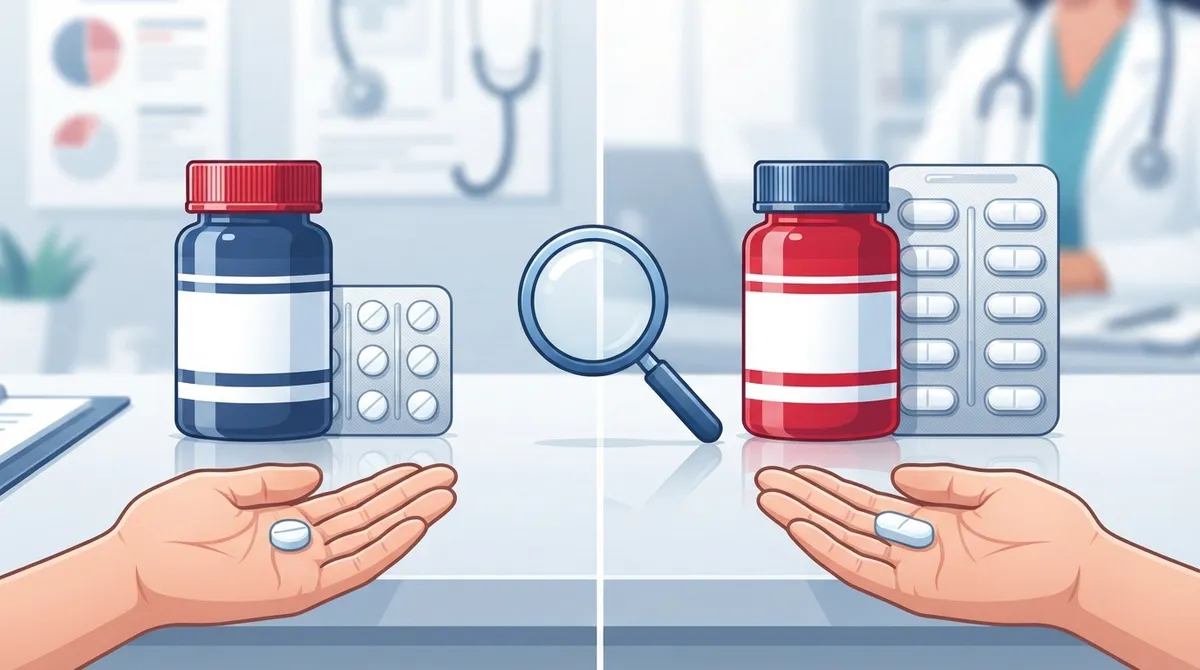
Mistake 1: Assuming KP-10 and KP02 10 Are the Same Thing
One of the most frequent errors is confusing "KP-10" with the pill imprint "KP02 10." These look similar but are not identical, and the difference matters for your safety.
According to Drugs.com's pill identification database, "KP02 10" is listed as baclofen 10 mg. Baclofen is a prescription skeletal-muscle relaxant used to treat muscle spasticity, often related to conditions like multiple sclerosis or spinal cord injuries. It is not the same as a generic "KP-10" tablet, and imprint codes can vary based on shape, color, and manufacturer.
If you find a pill with any version of these markings, do not assume you know what it is. Pill identifiers are useful starting points, but they are not a substitute for professional verification.
Why Baclofen Requires Careful Use
Baclofen can cause several side effects that matter for daily safety:
- Drowsiness and dizziness
- Muscle weakness
- Confusion or impaired coordination
- Increased sedation when combined with alcohol or opioids
- Withdrawal symptoms if stopped abruptly after regular use
Because baclofen affects the central nervous system, mixing it with sleep aids, alcohol, or other depressants can be risky. If you or a family member has been prescribed baclofen, our primary care team can review your full medication list to check for interactions.
Mistake 2: Confusing KP-10 With Similar Letter-Number Codes
Pill imprints can look alike at a glance, but small differences change everything. "K-10," "K 10," and "KP02 10" are not interchangeable, even though they share similar characters.
For example, tablets marked with variations of "K-10" have sometimes been linked to potassium chloride products. According to Cleveland Clinic's medication guide, potassium chloride is used to treat or prevent low potassium levels. However, too much potassium can cause hyperkalemia, a dangerous condition that leads to muscle weakness and abnormal heart rhythms.
A Quick Comparison of Similar-Looking Codes
|
Imprint or Term |
Likely Identity |
Primary Use |
Key Risk |
|---|---|---|---|
|
KP02 10 |
Baclofen 10 mg |
Muscle spasticity |
Sedation, withdrawal if stopped suddenly |
|
K-10 / K 10 |
Potassium chloride (varies by product) |
Low potassium treatment |
Hyperkalemia, heart rhythm issues |
|
KP-10 (peptide context) |
Kisspeptin-10 |
Reproductive hormone research |
Not FDA-approved for consumer use |
|
International "KP" brand |
Diclofenac + paracetamol combination |
Pain relief (outside U.S.) |
Formulation varies by country |
This table shows why guessing based on letters alone is risky. The safest step is always professional confirmation, not a quick online search.
Mistake 3: Believing Kisspeptin-10 Is an Approved Wellness Treatment
Kisspeptin-10 has become a buzzword in some fertility and hormone-optimization circles. High-income wellness seekers and Gen Z health explorers researching hormone health may come across this term while browsing biohacking forums or fertility blogs.
Here is the reality: kisspeptin-10 is a short peptide made of 10 amino acids. It plays a role in signaling between the hypothalamus and the reproductive hormone system. It is studied in reproductive endocrinology research, but it is not an FDA-approved medication and should not be confused with an established treatment or over-the-counter supplement.
Why This Distinction Matters
- Unapproved peptides marketed online are not regulated the same way as prescription drugs.
- Purity, dosage, and sourcing can vary widely between sellers.
- Claims about improved fertility or testosterone are not backed by strong clinical evidence in humans.
- Using an unregulated product without medical supervision can expose you to unknown risks.
If you are interested in hormone health, fertility support, or reproductive wellness, a conversation with a provider is a safer starting point than an online purchase. Our Kisspeptin Explained: The Hormone Peptide Behind Fertility resource offers more detail on how this compound is being studied.
Mistake 4: Ignoring Country-of-Origin Differences in KP Brand Names
Some medications sold outside the United States use "KP" as part of a brand name for pain-relief combinations. These products may include diclofenac, paracetamol (the international name for acetaminophen), and sometimes serratiopeptidase.
Because formulations vary by country and manufacturer, a "KP" tablet purchased abroad may contain very different ingredients than one bought elsewhere. This creates real risk for travelers, people receiving medication from family overseas, or anyone purchasing from international online pharmacies.
Questions to Ask Before Taking Any KP-Branded Product
- What are the exact active ingredients listed on the package?
- What is the dosage of each ingredient?
- Is this product regulated by a recognized national health authority?
- Does it interact with medications you are already taking, such as blood thinners or other pain relievers?
- Have you confirmed the product with a pharmacist rather than relying on the name alone?
Busy young families managing medications for multiple people should be especially cautious. A parent bringing home an unfamiliar pain reliever from a trip abroad should always check ingredients before giving it to a child or older family member.
Mistake 5: Taking an Unidentified Pill Without Professional Verification
The riskiest mistake of all is swallowing a pill you found without knowing what it actually is. This applies whether you discovered it in a purse, a shared medicine cabinet, or received it from someone else.
Steps to Take If You Find an Unidentified KP-10 Pill
- Do not take the pill until it has been identified.
- Locate the original container or packaging if possible.
- Take a clear photo showing the full imprint, including any letters, numbers, shape, and color.
- Note where the pill was purchased or obtained, including the country if relevant.
- Contact a pharmacist or poison control service for professional identification.
- Bring the pill or photo to your next primary care visit for confirmation.
- Avoid searching for "quick identification" shortcuts that rely only on visual matching.
Preventive health women and busy parents managing a household often deal with loose pills that end up separated from their bottles. Taking these steps protects everyone in your home, including children and older relatives who may be more sensitive to medication errors.
When to Talk to a Primary Care Provider About Medication Questions
Confusing pill imprints, unclear peptide marketing, and international product names are common reasons patients bring questions to their primary care team. A provider can review your current medications, check for interactions, and help you understand what a product actually contains before you take it.
This is especially important if you are managing multiple prescriptions, exploring hormone therapy, or considering a new wellness product you found online. Our providers at InCare, including Dr. Naveen Paddu and Dr. Pramjeet Ahluwalia, regularly help patients sort through medication questions like these during comprehensive visits.
How InCare Approaches Medication Safety
- Full medication review during primary care visits
- Guidance on interactions between prescriptions, supplements, and over-the-counter products
- Access to urgent care services if you have taken an unknown substance and need prompt evaluation
- Education on emerging wellness trends, including peptide therapy questions
- Coordinated care across our Tampa and Riverview locations
Patients researching hormone health or fertility-related peptides may also benefit from learning about peptide therapy options available through medical supervision, rather than relying on unregulated online sources.
Building Better Medication Habits Going Forward
Avoiding KP-10 confusion is part of a larger habit: never guessing when it comes to medication. This mindset protects you long after this specific question is answered.
Simple Habits That Reduce Medication Risk
- Keep all pills in their original labeled containers
- Store a current medication list on your phone or with your primary care provider
- Ask your pharmacist before starting any new supplement or peptide product
- Schedule an annual wellness visit to review everything you are taking
- Avoid purchasing unregulated products marketed for hormone or fertility optimization without medical guidance
Many patients who follow InCare on Facebook or Instagram share how a simple medication review during a routine visit caught an issue they had not noticed. Our team also shares educational wellness content on TikTok to help patients stay informed between visits.
Final Thoughts on KP-10 Medication Safety
"KP-10 medication" is not one single drug, and treating it that way can lead to real health risks. Whether you are dealing with a pill imprint, a peptide marketed for wellness, or an international pain reliever, the safest approach is always verification, not assumption.
If you have questions about a medication, a supplement, or a wellness product you found online, our team at InCare is ready to help. You can also see what our InCare patients say by checking out reviews on Google — InCare, where our Tampa and Riverview locations maintain strong ratings for attentive, thorough care.
Do not leave your medication questions unanswered. Reach out to our care team today or schedule your appointment now to get clear, professional guidance on any medication or wellness product you are considering.
FAQs
Q: What is KP-10 medication?
A: KP-10 is not a single standardized medication. Depending on context, it may refer to the pill imprint KP02 10 (identified as baclofen 10 mg), the research peptide kisspeptin-10, or an international brand name for pain-relief combinations. The exact meaning depends on where the term was found.
Q: Is KP02 10 the same as KP-10?
A: No, these are not automatically the same. KP02 10 is a specific pill imprint listed in databases as baclofen 10 mg, while KP-10 alone is a more general and ambiguous term that could refer to several different products. Always verify the full imprint before assuming identity.
Q: Is kisspeptin-10 FDA approved?
A: No, kisspeptin-10 is an investigational peptide studied in reproductive endocrinology research. It is not an FDA-approved medication and should not be purchased or used as a wellness supplement without medical guidance.
Q: What should I do if I found an unidentified pill marked KP-10?
A: Do not take the pill. Photograph the full imprint, note where it came from, and contact a pharmacist or poison control service for identification. Bring the pill or photo to your primary care provider for professional confirmation.
Q: Are KP pain-relief tablets safe to take with acetaminophen or ibuprofen?
A: It depends on the exact formulation, since some international KP-branded products already contain paracetamol (acetaminophen) combined with diclofenac. Combining these with additional pain relievers without checking ingredients can lead to accidental overdose, so a pharmacist should always confirm safety first.