

Key Takeaways
- Topical GHK-Cu shows modest promise for skin improvement after 8-12 weeks of consistent use, but injectable forms lack strong human evidence and are not FDA-approved for any medical condition.
- GHK-Cu works by stimulating fibroblasts to increase collagen production and supporting tissue repair, but this effect is best supported by lab studies rather than large-scale human trials.
- Product quality varies significantly between brands; combine GHK-Cu with proven basics like sunscreen and retinoids rather than replacing them, and patch test first to avoid irritation or contact dermatitis.
- Skip injectable GHK-Cu purchased online due to contamination risks and dosing uncertainty; consult your healthcare provider before use, especially if you have diabetes, open wounds, or recent cosmetic procedures.
Copper peptide serums are everywhere in 2026, and many claim to "regenerate" your skin overnight. If you have searched for GHK-Cu skin regeneration, you have probably found bold promises but few straight answers. As a primary care and wellness clinic serving Tampa and Riverview, InCare believes patients deserve facts, not hype, before adding any new product to their routine.
GHK-Cu, also called copper tripeptide-1, is a small peptide made of three amino acids joined with copper. It occurs naturally in your body and has been studied for its role in skin repair, collagen production, and wound healing. This article breaks down five key facts about GHK-Cu, what the research actually shows, and how it fits into a broader wellness plan overseen by your primary care team.
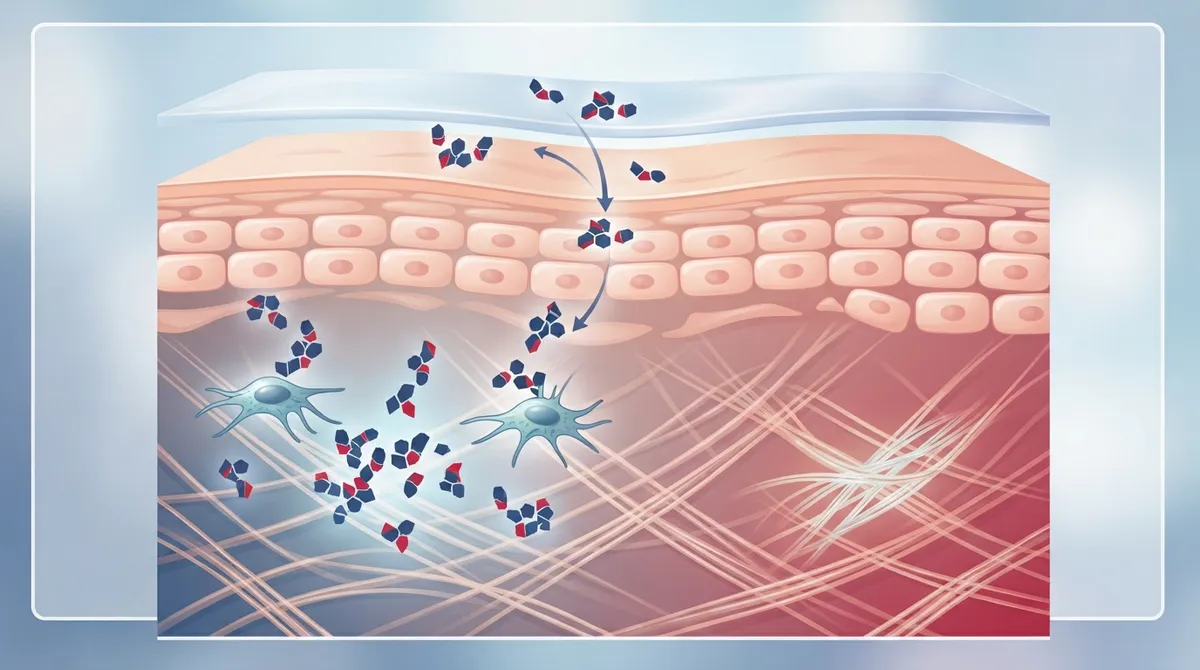
What Is GHK-Cu and Why Does It Matter for Skin Health?
GHK-Cu stands for glycine-histidine-lysine bound to copper. Your body naturally makes this peptide, but levels drop as you age. This decline is one reason skin becomes thinner and less elastic over time.
Researchers have studied GHK-Cu for its potential to support fibroblast activity, the cells responsible for making collagen and elastin. It has also been linked to new blood vessel growth and normal tissue repair signaling. Most of this evidence comes from lab studies, animal research, and small human trials, according to a review published on PubMed Central.
The Science Behind Copper Peptides
Copper is an essential mineral your body needs for many functions, including wound healing. When paired with the tripeptide structure, GHK-Cu appears to help signal skin cells to repair and rebuild. This is different from simply applying moisturizer, which sits on top of the skin.
- Supports fibroblast activity linked to collagen and elastin production
- May help with angiogenesis, or new blood vessel formation
- Studied for its role in modulating inflammation
- Naturally present in human plasma and saliva, though levels decrease with age
5 Key Facts About GHK-Cu Skin Regeneration
Before you invest in any copper peptide product, here are five facts worth understanding.
1. Topical Use Has the Strongest Evidence
Cosmetic studies on topical GHK-Cu have reported improvements in skin density, elasticity, and the appearance of fine lines. Most of these studies lasted around 12 weeks. While promising, many were small and lacked the rigorous design of large clinical trials.
2. Wound Healing Research Is Promising But Limited
A randomized, placebo-controlled study looked at topical copper tripeptide for diabetic neuropathic ulcers. Results were encouraging for this specific wound type. However, this does not mean an over-the-counter serum can treat chronic wounds or replace proper medical wound care.
3. Injectable GHK-Cu Lacks Strong Human Evidence
Some clinics and online sellers market injectable GHK-Cu for anti-aging, hair growth, or full-body wellness. The evidence for these uses is much weaker than for topical products. Robust, controlled human trials supporting injectable use have not been established.
4. GHK-Cu Is Not FDA-Approved as a Drug
GHK-Cu is not an FDA-approved medication for skin regeneration or any medical condition. Topical products are typically sold as cosmetics, which means they are not held to the same efficacy standards as prescription drugs.
5. Product Quality Varies Widely
Concentration, formulation stability, and manufacturing quality differ from brand to brand. Some products may cause irritation, redness, or contact dermatitis, especially when combined with retinoids or exfoliating acids.
|
Factor |
Topical GHK-Cu |
Injectable GHK-Cu |
|---|---|---|
|
Human Evidence |
Moderate, mostly small cosmetic studies |
Weak, largely preclinical or anecdotal |
|
FDA Status |
Sold as cosmetic, not drug-approved |
Not approved for any medical use |
|
Common Use |
Serums, creams, masks |
Unregulated online sales |
|
Safety Concerns |
Irritation, contact dermatitis |
Contamination, dosing uncertainty, impurities |
How GHK-Cu May Support Skin Appearance
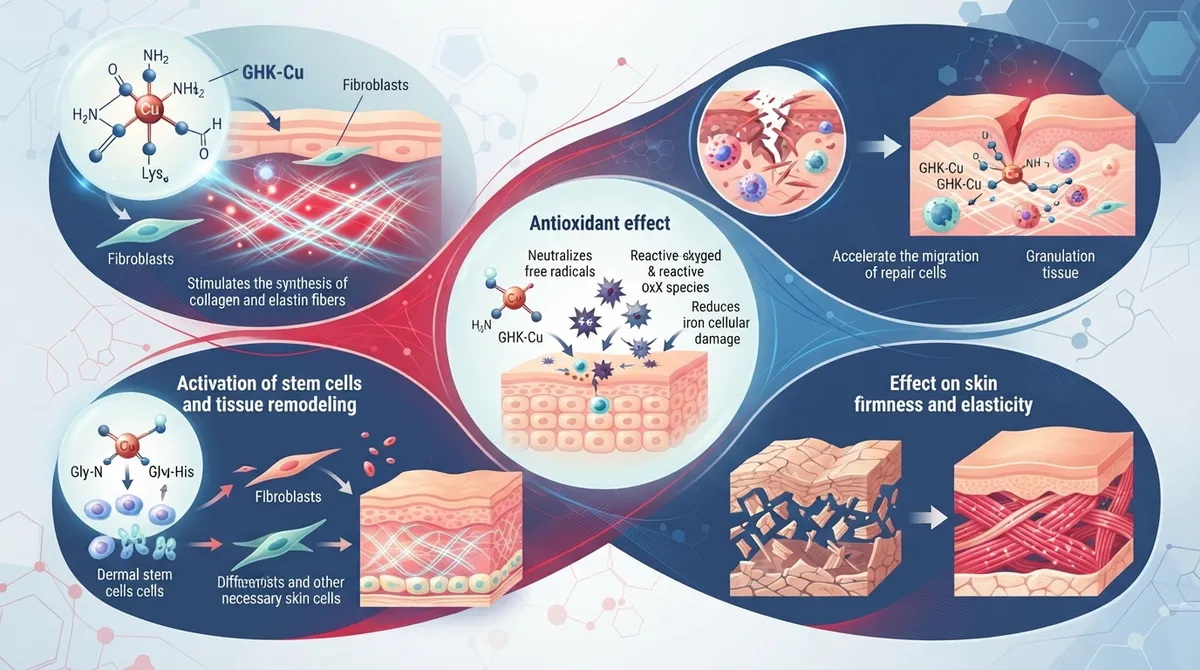
Many patients ask how copper peptides actually work on the skin. Research suggests several possible mechanisms, though most come from lab and animal studies rather than large human trials.
- Stimulating fibroblasts to increase collagen and elastin production
- Supporting antioxidant activity that may reduce oxidative stress
- Encouraging normal signaling involved in tissue repair
- Potentially reducing the appearance of fine lines after weeks of consistent use
- Supporting skin barrier function alongside proper hydration and sun protection
It is important to remember that skincare products, even well-studied ones, work best as part of a complete health picture. A annual wellness visit can help identify underlying issues, like nutrient deficiencies or hormonal changes, that also affect skin health.
Who Should Be Cautious About Copper Peptide Products?
Not everyone is a good candidate for topical GHK-Cu, especially without a professional evaluation first. Certain health conditions call for extra caution.
- People with diabetes or poor circulation
- Individuals with open wounds or active infections
- Those with known allergies to peptides or copper
- Patients who recently had a cosmetic procedure like microneedling or laser treatment
- Anyone with a persistent or nonhealing skin lesion that needs evaluation
Persistent wounds should never be self-treated with cosmetic products alone. If you notice a sore that will not heal, schedule an evaluation with a provider rather than relying on serums.
Comparing GHK-Cu to Other Skin Support Options
GHK-Cu is just one tool among many for supporting healthy skin. Understanding how it compares to other approaches can help you make an informed decision.
|
Approach |
Primary Benefit |
Evidence Level |
|---|---|---|
|
GHK-Cu Topical Serum |
Collagen support, elasticity |
Moderate, small human studies |
|
Sunscreen |
Prevents UV damage |
Strong, well-established |
|
Retinoids |
Cell turnover, wrinkle reduction |
Strong, extensive clinical data |
|
IV Hydration Therapy |
Overall hydration and nutrient support |
Supportive, used as wellness adjunct |
Rather than replacing proven basics like sunscreen and retinoids, GHK-Cu should be viewed as an optional addition. Many patients also explore IV hydration and vitamin drips to support overall skin and energy levels from the inside out.
Steps to Take Before Trying a Copper Peptide Product
If you are considering GHK-Cu for skin regeneration, a thoughtful approach matters more than rushing to purchase the newest serum.
- Schedule a conversation with your primary care provider about your skin goals
- Ask about any interactions with current medications or skin treatments
- Choose a reputable product with transparent ingredient concentrations
- Patch test any new serum before applying it to your full face
- Monitor your skin for irritation over the first two weeks
- Pair topical use with sunscreen and a consistent skincare routine
Patients managing diabetes, chronic wounds, or other conditions should always seek guidance before starting new skin treatments. Learn more about how primary doctors help manage chronic illnesses that can affect skin health and healing.
Why Whole-Body Wellness Matters More Than One Peptide
Skin health rarely improves from a single product. Sleep, nutrition, hydration, and hormone balance all play a role in how your skin looks and feels. This is why InCare takes a whole-body approach rather than recommending isolated fixes.
Services like DNA gene testing can reveal genetic factors related to collagen production and skin aging. Body composition analysis and metabolic breath analysis give a fuller picture of how your metabolism supports tissue repair throughout your body, not just your skin.
For patients also interested in regenerative approaches beyond skincare, InCare offers peptide therapy consultations in Tampa where providers can discuss what is medically appropriate and evidence-based for your individual situation.
Setting Realistic Expectations
It is easy to get swept up in marketing claims about copper peptides reversing aging or providing longevity benefits. The truth is more measured. Current research supports modest cosmetic improvements with topical use over several weeks, not dramatic overnight transformation.
- Expect gradual changes, typically visible after 8 to 12 weeks of consistent use
- Do not expect GHK-Cu to replace sunscreen or prescription treatments
- Understand that individual results vary based on skin type and consistency
- Recognize that claims about systemic anti-aging or longevity go beyond current evidence
Patients who follow InCare on Instagram and Facebook often see educational content about wellness trends explained in plain language, helping separate fact from marketing hype. You can also find quick wellness tips on TikTok.
How InCare Supports Your Skin and Whole-Body Health
InCare combines medical expertise with modern technology to help patients make informed choices about wellness trends like GHK-Cu. Rather than pushing unproven treatments, the clinic's providers focus on what is backed by evidence while still helping patients explore options that interest them.
Patients in Tampa and Riverview trust InCare for comprehensive care, from routine physicals to advanced cancer screenings and weight management. This same evidence-based philosophy applies to conversations about skincare and cosmetic peptides. You can see what patients are saying by checking out InCare reviews on Google.
Bringing It All Together
GHK-Cu shows real promise as a cosmetic ingredient, particularly in topical form. The research on collagen support and skin texture improvement is encouraging, even if it remains limited compared to established treatments like sunscreen and retinoids. Injectable forms and bold anti-aging claims deserve far more skepticism, since solid human evidence simply is not there yet.
The safest path forward is combining curiosity about new wellness trends with professional guidance. A conversation with your care team can help you understand whether copper peptides fit your skin goals and overall health plan.
Ready to talk about your skin health and wellness goals with a trusted team? Reach out to InCare today or schedule your appointment now to start building a personalized plan that goes beyond the serum aisle.
FAQs
Q: Does GHK-Cu really regenerate skin?
A: Research suggests GHK-Cu may support collagen production, elasticity, and wound healing signals, but current evidence is limited mostly to lab and small human studies. Topical products show the most promising cosmetic results, generally after 8 to 12 weeks of consistent use.
Q: Is topical GHK-Cu safe for daily use?
A: Many people use topical GHK-Cu daily without issues, but it can cause irritation, redness, or contact dermatitis in some individuals, especially when combined with retinoids or exfoliating acids. Patch testing and consulting your provider before daily use is recommended.
Q: Is injectable GHK-Cu safe or FDA-approved?
A: Injectable GHK-Cu is not FDA-approved for any medical use, and human evidence supporting its safety and effectiveness is much weaker than for topical products. Products sold through unregulated online channels carry added risks like contamination and dosing uncertainty.
Q: How long does GHK-Cu take to improve skin?
A: Most cosmetic studies on topical GHK-Cu tracked results over approximately 12 weeks before noting improvements in skin density and elasticity. Individual results vary based on skin type, product formulation, and consistency of use.
Q: Can GHK-Cu be used after microneedling, laser treatment, or chemical peels?
A: Skin is more sensitive after these procedures, so introducing new active ingredients like GHK-Cu should be discussed with a provider first. Timing and formulation matter to avoid irritation during the healing period.