

Key Takeaways
- Kisspeptin acts as the master switch that initiates the entire reproductive hormone cascade by activating GnRH neurons, making it essential for puberty, fertility, and hormone balance.
- Kisspeptin-LH response varies significantly based on sex, age, and menstrual cycle timing, with research showing a 5-8 fold increase in men's LH levels during continuous kisspeptin infusion.
- Kisspeptin-based treatments remain investigational and are not yet FDA-approved; standard hormone testing (LH, FSH, testosterone, thyroid, prolactin) remains the clinical gold standard for evaluating reproductive health concerns.
- Kisspeptin signaling problems underlie several common conditions including hypothalamic amenorrhea, delayed puberty, PCOS, and male hypogonadism, making understanding this pathway crucial for recognizing when to seek medical evaluation.
If you have ever had blood work done to check your reproductive hormones, you may have seen luteinizing hormone, or LH, listed on your results. But few patients know about the hidden signal that controls LH behind the scenes: kisspeptin. This brain chemical plays a huge role in puberty, fertility, and hormone balance. Understanding how kisspeptin and luteinizing hormone work together can help you make sense of your own lab results and health concerns.
At InCare, our providers in Tampa and Riverview help patients understand the science behind hormone testing and reproductive health. Whether you are dealing with irregular periods, fertility questions, or low testosterone, knowing how this pathway works gives you better context for your care. Below, we break down five key facts about kisspeptin and luteinizing hormone in simple terms.
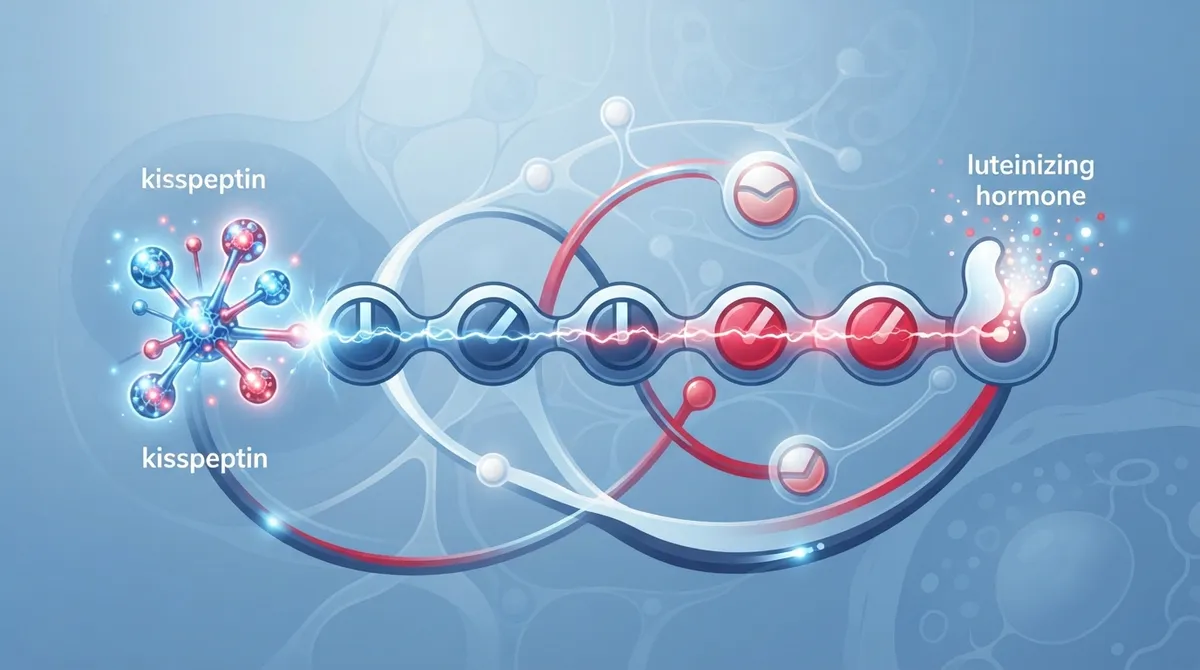
1. Kisspeptin Is the Hormone Switch That Starts the Whole Chain Reaction
Kisspeptin is a small protein made in the brain. It acts like a switch that turns on your reproductive system. Kisspeptin attaches to a receptor called KISS1R, found on special brain cells called GnRH neurons.
Once kisspeptin activates these cells, they release gonadotropin-releasing hormone, or GnRH. GnRH then travels to the pituitary gland, a small gland at the base of the brain. The pituitary responds by releasing two important hormones:
- Luteinizing hormone (LH), which triggers ovulation in women and testosterone production in men
- Follicle-stimulating hormone (FSH), which supports egg and sperm development
This entire process is called the hypothalamic-pituitary-gonadal axis. Think of kisspeptin as the first domino. Without it, the rest of the chain cannot fall into place. This is why researchers consider kisspeptin a master regulator of reproductive health.
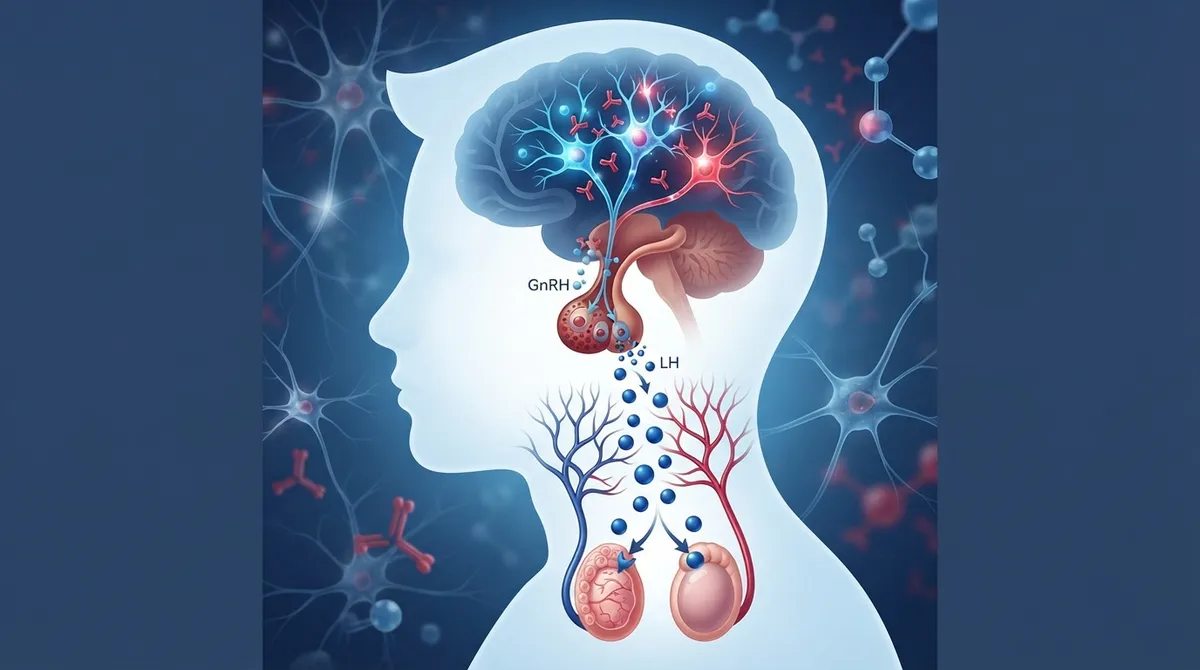
2. Kisspeptin Explains Why Puberty Starts When It Does
Many parents wonder why puberty begins at a certain age. Kisspeptin is a major part of the answer. Before puberty, kisspeptin activity stays low. As a child grows, kisspeptin signaling increases and wakes up the reproductive system.
This process explains conditions like delayed puberty, where kisspeptin signaling may be sluggish or reduced. It also explains early puberty in some cases, where kisspeptin activity turns on too soon.
Primary care providers often look at growth patterns, hormone levels, and family history when evaluating puberty timing. If you have concerns about your child's development, our primary care team can help guide appropriate testing and referrals to specialists when needed.
3. The Kisspeptin-LH Relationship Changes Based on Sex and Cycle Timing
Research shows that the kisspeptin and luteinizing hormone relationship is not the same for everyone. The response depends on sex, age, and where a woman is in her menstrual cycle.
A well-known 2020 clinical study looked at a kisspeptin receptor agonist called MVT-602 in three groups: healthy women, women with polycystic ovary syndrome (PCOS), and women with hypothalamic amenorrhea. The results showed clear differences:
|
Group |
LH Peak Timing |
LH Exposure Level |
|---|---|---|
|
Healthy women (MVT-602) |
~21.4 hours |
169.0 IU·h/L |
|
Healthy women (native kisspeptin-54) |
~4.7 hours |
38.5 IU·h/L |
|
Women with PCOS |
Similar amplitude to healthy women |
Comparable response |
|
Women with hypothalamic amenorrhea |
Advanced response |
Different pattern |
Other research on kisspeptin-10 found it stimulated LH and FSH release in men and in women during the preovulatory phase. However, it did not produce the same response in women during the follicular phase. This shows how timing matters when studying this hormone pathway.
4. Kisspeptin Also Affects Men's Testosterone and LH Levels
While much of the research focuses on women, kisspeptin plays a role in men's health too. A registered study using continuous kisspeptin infusion in healthy men found striking results.
- Baseline LH levels started around 2.8 to 3.8 mIU/mL
- LH levels rose to peaks of 17.5 to 30.6 mIU/mL
- This represented a 5- to 8-fold increase above baseline
- The peak occurred within 12 to 20 hours of infusion
- FSH and testosterone increased, though less dramatically than LH
These findings come from controlled research settings. They are not the same as an approved treatment you can request during a visit. Still, they help explain why kisspeptin is being studied for conditions like low testosterone and male infertility.
If you are concerned about low testosterone symptoms, standard evaluation still includes checking your LH, FSH, and testosterone levels through routine primary care testing. Our providers, including Dr. Naveen Paddu and Dr. Pramjeet Ahluwalia, can guide you through this process and discuss appropriate next steps.
5. Kisspeptin Testing and Treatment Remain Investigational
It is important to understand that kisspeptin-based medicines and blood tests are still being studied. They are not yet approved treatments for infertility, low testosterone, or menstrual problems. ClinicalTrials.gov currently lists several ongoing studies measuring how kisspeptin affects LH release, ovulation, and follicle development.
For example, one registered trial called NCT01667406 is studying the use of kisspeptin in IVF treatment. Another trial, NCT00914823, examines kisspeptin administration in adults. These studies help researchers understand dosing, safety, and effectiveness, but they have not yet led to routine clinical use.
What does this mean for you? If you have concerns about your reproductive hormones, standard testing is still the gold standard. This typically includes:
- LH and FSH blood tests
- Sex-steroid hormone levels, such as estrogen or testosterone
- Thyroid function testing
- Prolactin levels
- Pregnancy testing when relevant
- Additional condition-specific labs based on your symptoms
Our providers can order these tests and help interpret results in the context of your overall health. When needed, we also coordinate referrals to endocrinology or reproductive specialists for more advanced care.
How Primary Care Fits Into Hormone Health
Many patients do not realize that hormone imbalances often show up as everyday symptoms. Irregular periods, unexplained fatigue, low libido, or trouble getting pregnant can all point back to problems in this kisspeptin-driven pathway.
Here is how a typical evaluation might unfold at a primary care visit:
- Discuss your symptoms and medical history in detail
- Order baseline hormone panels, including LH and FSH
- Review results together to identify patterns
- Recommend lifestyle changes or additional testing if needed
- Refer to a specialist for advanced hormone therapies when appropriate
This step-by-step approach helps rule out common causes before considering more complex or investigational options. It also ensures you are not missing something simple, like a thyroid problem or medication side effect, that could be causing your symptoms.
Common Conditions Linked to This Hormone Pathway
Several conditions relate directly to problems in the kisspeptin-GnRH-LH pathway. Understanding these can help you recognize when to seek care.
|
Condition |
What Happens |
Typical Approach |
|---|---|---|
|
Hypothalamic amenorrhea |
Reduced kisspeptin signaling stops periods |
Address underlying stress, weight, or exercise factors |
|
Delayed puberty |
Kisspeptin activity stays low too long |
Monitor growth, check hormone levels |
|
PCOS |
Altered LH and FSH balance |
Manage symptoms, consider weight and metabolic care |
|
Male hypogonadism |
Low LH leads to low testosterone |
Confirm with labs, consider treatment options |
|
Infertility |
Disrupted hormone signaling affects ovulation or sperm production |
Full hormone workup, possible specialist referral |
If any of these conditions sound familiar, do not wait to get answers. Early evaluation often leads to better outcomes and less frustration down the road.
Why Choose InCare for Your Hormone Health Questions
Navigating hormone health can feel confusing, especially with so much emerging research on things like kisspeptin. That is why having a trusted primary care team matters. At InCare, we combine thorough lab testing with clear, honest explanations so you understand what your results actually mean.
Our team also offers services that support overall hormone and metabolic health, including DNA gene testing, body composition analysis, and medical weight loss programs. These tools help us look at your health from every angle, not just one hormone in isolation.
Many patients also find our IV hydration and vitamin therapy helpful for supporting energy levels while working through a hormone evaluation. We believe whole-body care leads to better results than treating one symptom at a time.
You can also follow our updates and patient education content on Facebook, Instagram, and TikTok for more tips on hormone health and preventive wellness. Many of our patients also share their experiences online, and you can visit us on Google — InCare to read real reviews from people we have helped.
Frequently Asked Questions About Kisspeptin and Hormone Testing
Before your next appointment, it helps to know what questions to ask. Below are some common concerns patients bring to our Tampa and Riverview clinics.
What Should You Ask Your Provider About LH Testing
Ask why the test is being ordered, what a normal range looks like for your age and sex, and what next steps follow if your results are abnormal. Understanding the purpose of testing helps reduce anxiety and confusion.
What Symptoms Suggest You Need Hormone Testing
Common signs include irregular or missing periods, difficulty getting pregnant, low energy, reduced libido, or unexplained weight changes. If you notice these symptoms, it is worth scheduling a visit to discuss testing options.
Ready to get answers about your hormone health? Book Now to schedule a visit with our team, or contact us today to learn more about how InCare can support your reproductive and metabolic health goals in Tampa or Riverview, Florida.
FAQs
Q: What is the relationship between kisspeptin and luteinizing hormone?
A: Kisspeptin activates GnRH neurons in the brain, which triggers the release of GnRH. This hormone then signals the pituitary gland to release luteinizing hormone, making kisspeptin the upstream regulator of LH production.
Q: Can kisspeptin increase LH and testosterone levels in men?
A: Research shows kisspeptin infusion can raise LH levels significantly in men, with more modest increases in testosterone. However, these findings come from research studies and are not yet an approved clinical treatment.
Q: Is kisspeptin approved as a treatment for infertility or low testosterone?
A: No, kisspeptin-based therapies remain investigational. Standard hormone evaluation and treatment options through primary care or specialist referral are still the recommended approach for infertility and low testosterone concerns.
Q: What happens to kisspeptin and LH levels in hypothalamic amenorrhea?
A: In hypothalamic amenorrhea, kisspeptin signaling is often reduced, leading to lower GnRH and LH activity. Studies show an advanced LH response pattern in this condition compared to healthy individuals.
Q: Should patients have kisspeptin levels tested during a fertility evaluation?
A: Kisspeptin blood testing is not a standard or established part of routine fertility evaluations. Instead, providers typically order LH, FSH, sex-steroid, thyroid, and prolactin testing to assess reproductive hormone function.