

Key Takeaways
- MOTS-c is not FDA-approved for any use and products sold online lack purity testing, sterility verification, and regulated oversight, creating serious safety risks including contamination and unknown dosing.
- Most research linking MOTS-c to metabolic benefits comes from animal and lab studies, not human trials; the only human evidence shows exercise naturally raises MOTS-c levels, but injecting it hasn't been proven effective.
- MOTS-c is a 16-amino-acid peptide produced by your mitochondria that may activate the AMPK energy pathway, but this mechanism has primarily been demonstrated in cells and animals rather than in human bodies.
- Before considering any peptide product, discuss it with your primary care provider as potential interactions with medications and effects on liver, kidney, heart, and endocrine conditions remain unstudied.
Peptides are everywhere in wellness conversations right now. One name keeps coming up: MOTS-c. Maybe you saw it on social media or heard it mentioned at a gym. You might be wondering if it could help with energy, weight, or aging. Before you consider trying it, you deserve clear, honest facts.
This guide breaks down what MOTS-c actually is, what science says about it, and why primary care providers urge caution. At InCare, our Tampa and Riverview teams believe patients should understand the real evidence before making health decisions. Let's look at five key facts about this mitochondrial peptide.
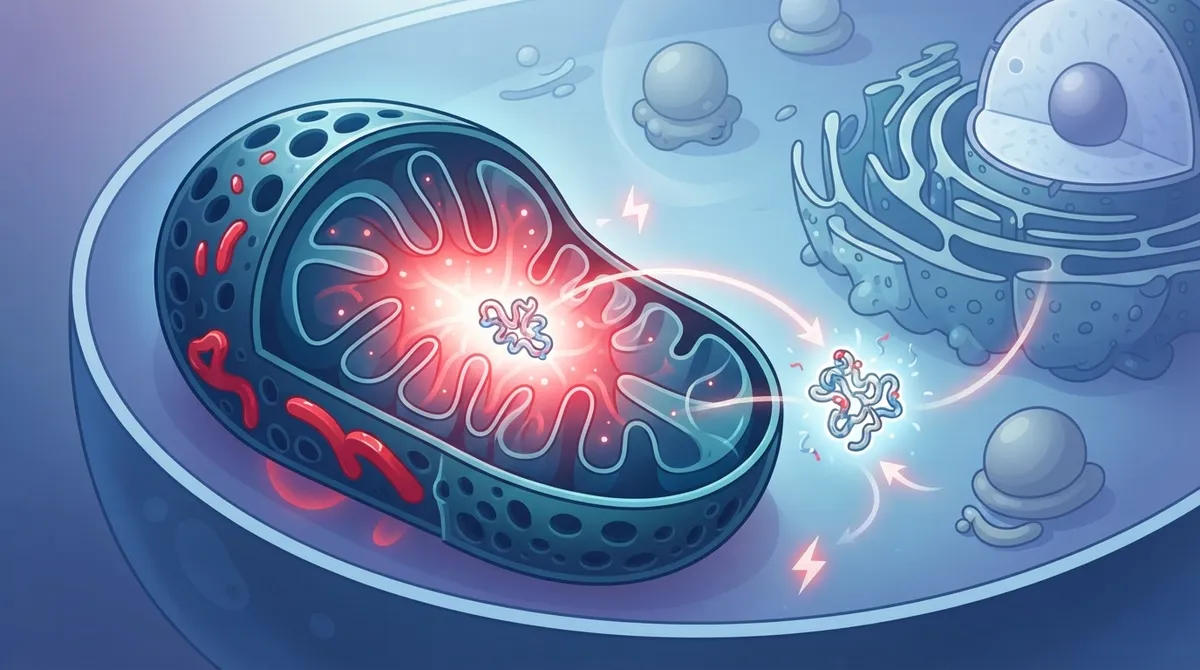
1. MOTS-c Is a Tiny Peptide Made by Your Mitochondria
MOTS-c stands for mitochondrial open reading frame of the 12S rRNA type-c. That's a mouthful, so here's the simple version. It's a short chain of 16 amino acids. Your mitochondria, the energy-making parts of your cells, produce it.
This makes MOTS-c different from most peptides you hear about. Most peptides come from instructions in your regular DNA. MOTS-c comes from mitochondrial DNA instead. Scientists call it a mitochondrial-derived peptide. This unique origin is part of what makes it interesting to researchers studying energy and aging.
Why This Origin Matters
Mitochondria control how your cells make and use energy. Since MOTS-c comes from this energy system, researchers wonder if it plays a role in metabolism. That connection is why you may see it linked to topics like blood sugar, weight, and exercise performance.

2. Research Links It to Metabolism, But Mostly in Animals
Studies have connected MOTS-c to several body processes. These include energy regulation, glucose control, insulin sensitivity, and how your body responds to stress. Some research also ties it to exercise adaptation.
Here's the catch. Most of this research happened in labs and animal models, not in people. Scientists have found that MOTS-c may activate a pathway called AMPK. This pathway helps cells manage energy. But finding this in a lab dish or a mouse doesn't prove it works the same way in humans.
- Preclinical studies suggest possible benefits for insulin resistance and glucose control
- Animal research points to effects on obesity and inflammation
- Lab studies hint at links to exercise capacity and age-related decline
- None of these findings are proven treatments for human patients
If you're exploring metabolic health support, our medical weight loss programs use approaches backed by real clinical evidence, not just early-stage lab findings.
3. Exercise Naturally Raises MOTS-c in Humans
Here's a fact that actually comes from human research. A 2021 study published in Nature Communications found that exercise increases MOTS-c levels in people. This is real, measured evidence in humans, not just animals.
But there's an important distinction to understand. This study measured what your body already makes when you work out. It did not test whether injecting MOTS-c gives you the same benefits. Those are two very different things.
What This Means for You
If you want to naturally boost MOTS-c activity, exercise appears to be one legitimate way to do it. Regular movement supports mitochondrial health through many pathways, not just this one peptide. A structured fitness plan, paired with guidance from your primary care provider, remains a proven path to better metabolic health.
|
Evidence Type |
What It Shows |
Applies to Humans? |
|---|---|---|
|
Animal studies |
Possible effects on glucose, weight, inflammation |
No direct proof |
|
Cell/lab studies |
AMPK activation, energy pathway signals |
No direct proof |
|
Human exercise study |
Exercise raises natural MOTS-c levels |
Yes, but doesn't prove injection works |
|
CB4211 analogue trials |
Short-term safety signals in small groups |
Limited, different compound |
4. MOTS-c Is Not FDA-Approved for Any Use
This is one of the most important facts to understand. MOTS-c has no FDA approval for weight loss, diabetes, anti-aging, or athletic performance. There is no approved dosing schedule. There is no established long-term safety record.
A related compound called CB4211 was developed by a biotech company as a modified version of MOTS-c. Early studies included about 20 participants with obesity and fatty liver in a short 28-day trial. This tested safety signals, not proven effectiveness. It's also chemically different from native MOTS-c, so results don't automatically transfer.
Risks of Unregulated Products
Products sold online claiming to be MOTS-c often come from gray-market sources. These raise serious concerns:
- Uncertain purity and actual ingredient content
- No sterility testing, which raises infection risk
- Unknown concentration, making safe dosing impossible
- Possible contamination with harmful substances
- No oversight from any regulatory body
For athletes, there's another consideration. The World Anti-Doping Agency lists MOTS-c among substances tied to exercise-mimetic activity. If you compete, check current rules with your governing body before considering any peptide product.
5. Your Primary Care Team Should Know About Peptide Use
If you're curious about MOTS-c or already using an unregulated product, talk to your doctor. This isn't about judgment. It's about safety. Peptides can interact with medications and existing health conditions in ways that aren't fully studied.
Unknowns about MOTS-c include how it might affect people with liver, kidney, heart, or endocrine conditions. Effects during pregnancy are also unclear. A knowledgeable primary care provider can help you understand these risks and explore proven alternatives.
What InCare Offers Instead
Rather than chasing unproven compounds, InCare focuses on evidence-based tools for metabolic health. Our Tampa and Riverview clinics offer body composition analysis, metabolic breath analysis, and DNA gene testing to build a real picture of your health. We also provide IV hydration and vitamin therapy for patients seeking extra support for energy and recovery.
If peptide therapy interests you as part of a supervised, medically guided plan, our providers can discuss peptide therapy options in Tampa that fit within safe, monitored protocols.
How InCare Approaches Emerging Wellness Trends
New compounds and trends surface constantly in wellness spaces. Our job is to separate real science from hype. Our physicians, including Dr. Naveen Paddu, Dr. Pramjeet Ahluwalia, and Dr. Teshy John, stay current on research so you don't have to sort through confusing claims alone.
We combine advanced diagnostics with honest conversations. If a treatment lacks solid human evidence, we'll tell you. If a proven option exists, we'll walk you through it. This approach has helped build our reputation across Tampa and Riverview. You can visit us on Google — InCare to read what our patients say about their experience.
We also share health education and updates through our social channels. Follow us on Facebook, Instagram, and TikTok for practical wellness tips grounded in real science.
Making Informed Decisions About Emerging Peptides
MOTS-c represents an exciting area of research. But excitement in a lab doesn't mean readiness for your medicine cabinet. Until stronger human trials exist, treating it as an investigational compound protects your health.
Instead of guessing with unregulated products, work with a team that can test your actual metabolic markers and build a plan around real data. Our providers across both Tampa and Riverview locations are ready to help you sort fact from marketing.
Ready to talk about your metabolic health goals with a provider who values evidence over trends? Schedule your appointment today and get a plan built on science, not speculation.
FAQs
Q: What exactly is MOTS-c and how does it work?
A: MOTS-c is a small 16-amino-acid peptide made by your mitochondria, the energy centers of your cells. Lab research suggests it may activate a pathway called AMPK that helps regulate energy use, but this mechanism is mostly studied in cells and animals, not humans.
Q: Is MOTS-c approved by the FDA?
A: No. MOTS-c is not FDA-approved for weight loss, diabetes, anti-aging, or athletic performance. There is no established dosing guide or long-term safety data for human use.
Q: Can MOTS-c help with weight loss or blood sugar control?
A: Animal and lab studies suggest possible connections to glucose control and weight, but these findings have not been proven in human clinical trials. Talk to a primary care provider about evidence-based options for managing weight and blood sugar.
Q: Is MOTS-c the same as CB4211?
A: No. CB4211 is a modified analogue of MOTS-c developed for early clinical testing, not the same as native MOTS-c. Results from CB4211 studies cannot be assumed to apply to natural MOTS-c products sold elsewhere.
Q: Is it safe to use MOTS-c products sold online?
A: Products sold through unregulated channels carry real risks, including uncertain purity, sterility issues, and unknown concentration. Long-term safety in humans has not been established, so it's important to discuss any peptide use with your doctor before trying it.