

Key Takeaways
- KPV is not a blood test or diagnostic marker—it's a peptide fragment marketed as a supplement with no proven clinical use in humans; proper diagnosis requires symptom evaluation, medical history, and specific lab tests like tryptase, not KPV levels.
- Research on KPV is limited to cell and animal studies with mixed results; human skin cell studies showed opposite effects compared to mouse models, meaning findings cannot be reliably applied to human treatment without rigorous clinical trials.
- KPV is not an approved treatment for histamine intolerance, mast-cell activation syndrome, or allergies by any major health agency; unregulated peptide products carry unknown risks regarding purity, dosing, and long-term safety.
- Histamine-related symptoms have multiple possible causes including IgE allergies, infections, medications, and gastrointestinal disease; proper medical evaluation is essential to identify the actual cause rather than self-diagnosing based on online marketing.
Searching for information on "KPV histamine levels" often means you're dealing with unexplained symptoms. Maybe you have flushing, hives, headaches, or stomach upset. You may have seen KPV peptide marketed online as a way to lower histamine and calm mast cells. Before you spend money on unproven products, it helps to know what the science actually says. This guide breaks down five key facts about KPV and histamine, backed by real research, so you can make informed choices with your primary care team.
At InCare, we believe patients deserve clear, honest answers. Our providers in Tampa and Riverview focus on evidence-based care, not trends. This article explains what KPV is, what research shows about histamine, and how to get a proper evaluation if you suspect a mast-cell or allergy issue.
1. KPV Is a Peptide Fragment, Not a Blood Test
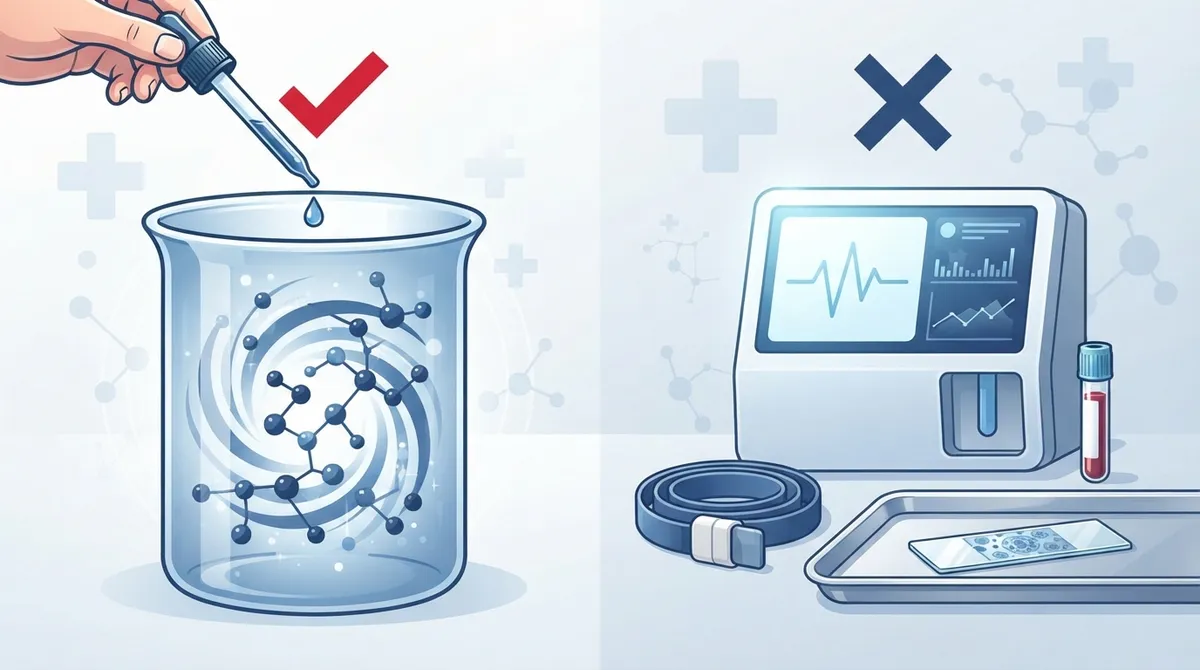
KPV stands for Lys-Pro-Val. It's a tiny three-amino-acid piece of a larger hormone called alpha-melanocyte-stimulating hormone (α-MSH). Some wellness companies market KPV as a supplement or injectable peptide. But KPV is not a lab test. There is no standard blood or urine test that measures "KPV histamine levels" as a marker of your health.
This distinction matters. If you're worried about histamine intolerance or mast-cell issues, KPV levels won't tell your doctor anything useful. Instead, real diagnosis relies on your symptoms, your medical history, and specific lab tests like tryptase. If you're unsure where to start, a visit to a primary care provider is the right first step.
What the Research Actually Shows
Studies on KPV are mostly done in cells and animals, not in people. Researchers have looked at how KPV affects inflammatory pathways like NF-κB and MAP kinase. Some early lab work suggests KPV may calm certain inflammatory signals. But this is far from proof that KPV lowers histamine in the human body.

2. Research on the Parent Hormone Shows Mixed Results
KPV comes from α-MSH, and studies on α-MSH give us clues, but the picture is complicated. Here is what the numbers actually show:
- In a 1999 study using mouse mast cells, α-MSH blocked about 60% of histamine release triggered by IgE antibodies. This sounds promising, but it was done in mice, not humans.
- In a 2000 study on human skin cells, tiny amounts of α-MSH actually caused histamine release instead of blocking it. This means the effect can flip depending on the tissue type and species.
- A 2008 study found that KPV reduced inflammatory signaling in intestinal models. But this study did not measure histamine levels in human blood.
These mixed findings tell us one important thing: what works in a mouse cell doesn't always work the same way in a human body. This is why doctors are cautious about applying animal and cell study results directly to patient care.
3. There Is No Approved KPV Treatment for Histamine Problems
Right now, KPV is not an approved treatment for histamine intolerance, allergies, mast-cell activation syndrome (MCAS), or inflammatory bowel disease. No major health agency has approved KPV for these uses. Quality human trials are limited or missing entirely.
This means claims that KPV supplements will fix your allergy symptoms or lower your histamine by a specific percentage should be viewed with skepticism. Marketing pages are not the same as peer-reviewed medical evidence. If a product's claims sound too good to be true, they probably need more proof.
Your safest path is working with a licensed provider who can review your symptoms and recommend proven treatments. Our team, including Dr. Pramjeet Ahluwalia and Dr. Naveen Paddu, can guide you through appropriate testing and care options.
4. Histamine Symptoms Have Many Possible Causes
Flushing, hives, itching, and stomach issues don't always mean you have a histamine or mast-cell disorder. Many other conditions cause similar symptoms. A thorough evaluation helps rule out the wrong causes and find the right one.
- IgE-mediated allergies: True food or environmental allergies can trigger classic histamine symptoms.
- Medication side effects: Some drugs release histamine or block its breakdown.
- Gastrointestinal disease: Conditions like small intestinal bacterial overgrowth can mimic histamine intolerance.
- Infections: Certain infections trigger inflammatory responses that look similar to allergic reactions.
- Mast-cell disorders: Rare conditions like MCAS involve abnormal mast-cell activity throughout the body.
Because the list of possible causes is long, self-diagnosing based on online peptide marketing can lead you down the wrong path. A careful history and exam at a urgent care or primary care visit is a better starting point.
5. Proper Diagnosis Relies on Clinical Evaluation, Not KPV Levels
If your doctor suspects a mast-cell disorder, they won't order a "KPV level" test. Instead, diagnosis typically involves:
|
Diagnostic Step |
What It Involves |
|---|---|
|
Symptom History |
Tracking episodes across multiple organ systems (skin, gut, heart, lungs) |
|
Physical Exam |
Checking for flushing, hives, swelling, or other signs during an episode |
|
Mediator Testing |
Blood or urine tests for tryptase or other mast-cell markers, ideally during a flare |
|
Response to Treatment |
Improvement with antihistamines or mast-cell stabilizers supports the diagnosis |
This structured approach gives your doctor real data to work with. It's far more reliable than relying on unproven KPV marketing claims. If you think you may have a mast-cell issue, ask your provider about appropriate screening and testing options tailored to your symptoms.
What Not to Do If You Have Severe Symptoms
Never replace prescribed antihistamines, epinephrine for anaphylaxis, or other clinician-directed treatments with a commercially marketed KPV product. If you experience swelling of the face or throat, trouble breathing, or a rapid drop in blood pressure, seek emergency care immediately. These are signs of a serious allergic reaction that need urgent treatment, not a wellness supplement.
How InCare Approaches Histamine and Inflammation Concerns
Our clinics in Tampa and Riverview take a whole-body approach to unexplained symptoms. Rather than chasing trendy peptides with limited human evidence, our providers focus on a full picture of your health. This includes reviewing your diet, medications, stress levels, and family history.
We also offer advanced tools like DNA gene testing and body composition analysis to help identify patterns that may contribute to inflammation or metabolic issues. These tools give real, actionable data instead of relying on unproven peptide claims.
If you're curious about other emerging peptides and want science-backed information, take a look at our related article comparing KPV vs. traditional anti-inflammatories to understand how these options stack up against established treatments.
Building a Personalized Wellness Plan
Many patients dealing with chronic inflammation or histamine-like symptoms also benefit from broader wellness support. Our team can discuss options such as IV hydration and vitamin drips to support overall recovery, alongside standard medical care. We never suggest replacing proven treatments with unregulated peptide products, but we do believe in a comprehensive, whole-health approach.
For patients managing ongoing symptoms, our providers can also help you understand the difference between a true mast-cell disorder and other overlapping conditions. Learn more about how our weight loss programs and metabolic services fit into a broader plan for inflammation and hormone balance.
Why Working With a Trusted Clinic Matters
Unregulated peptide products carry real risks. Purity, dosing, and long-term safety are not well established for products like KPV. Buying from unverified online sources adds another layer of risk, since you can't always confirm what's actually in the product.
Working with a licensed clinic means you get guidance based on your actual test results and symptoms, not internet marketing. Our providers, including Dr. Teshy John, take time to listen to your concerns and build a plan that fits your specific situation.
Many of our patients also follow us on social media for wellness tips and updates. You can connect with us on Facebook, Instagram, or Tik Tok for more health education content. You can also read what our patients say by checking out reviews at our InCare location on Google.
Final Thoughts on KPV and Histamine
The bottom line is simple. KPV is an interesting peptide being studied in labs, but it is not a proven test or treatment for histamine problems in humans. Research on its parent hormone shows mixed and even contradictory results depending on the tissue studied. If you're dealing with symptoms that feel like histamine intolerance or a mast-cell issue, the safest path is a proper medical evaluation, not a supplement marketed online.
Our clinics in Tampa and Riverview are ready to help you find real answers. Whether you need symptom evaluation, mediator testing, or a broader wellness plan, our team is here to guide you every step of the way. Ready to get started? Book your appointment today and let our providers help you understand what's really behind your symptoms.
FAQs
Q: What is KPV and how is it related to histamine?
A: KPV is a small peptide fragment (Lys-Pro-Val) derived from a hormone called alpha-MSH. Early cell and animal studies suggest it may influence inflammatory signaling and mast-cell activity, but there's no validated human test or treatment linking KPV directly to histamine levels.
Q: Can KPV lower histamine levels or prevent mast-cell degranulation?
A: Research is mixed and mostly limited to lab and animal studies. Some models show reduced histamine release, while a human skin-cell study showed the opposite effect, so no clear conclusion can be drawn for human use.
Q: Is KPV an evidence-based treatment for histamine intolerance or MCAS?
A: No. KPV is considered investigational, not an approved or proven treatment for histamine intolerance, mast-cell activation syndrome, allergies, or inflammatory bowel disease. Dedicated human clinical trials are lacking.
Q: How are histamine intolerance and MCAS actually diagnosed?
A: Diagnosis relies on a detailed symptom history, physical exam, and appropriate mediator testing such as tryptase levels, often measured during a symptom flare. Response to mediator-targeted treatment also supports the diagnosis.
Q: What should I do if I have symptoms of a severe allergic reaction?
A: Seek emergency medical care immediately if you notice facial or throat swelling, difficulty breathing, or a sudden drop in blood pressure. Never rely on unregulated peptide products in place of prescribed antihistamines or epinephrine.