Key Takeaways
- Being a primary care provider does not automatically qualify a doctor to certify medical cannabis in Florida; the doctor must be a "qualified physician" with an unrestricted license and a completed two-hour course and exam.
- Certification is not a prescription: the physician enters it in the state Medical Marijuana Use Registry, and patients need a registry ID card before buying from a licensed treatment center.
- Medical cannabis is limited to specific qualifying conditions such as cancer, epilepsy, glaucoma, HIV/AIDS, PTSD, ALS, Crohn's disease, Parkinson's, and multiple sclerosis, plus comparable conditions judged by the physician.
- Initial certification requires an in-person exam, and patients must return for follow-up and renewals; minors need a second physician's agreement, and pregnant patients face restrictions except for low-THC cannabis.
Many Florida patients assume their family doctor can simply sign off on medical cannabis. Others believe only a special cannabis clinic can help. Both ideas cause confusion, delays, and wasted visits. So, can primary care doctors certify medical cannabis in Florida? The short answer is yes, but only if the doctor meets the state's strict requirements.
Being a primary care provider does not qualify a doctor on its own. Florida law requires extra training, an active license, and a documented patient evaluation. Knowing these rules in 2026 helps you avoid common mistakes and reach relief faster.
This guide clears up four widespread myths. It explains who can certify, which conditions qualify, and what steps you must follow. It also shows why a trusted primary care team can be the best place to begin.
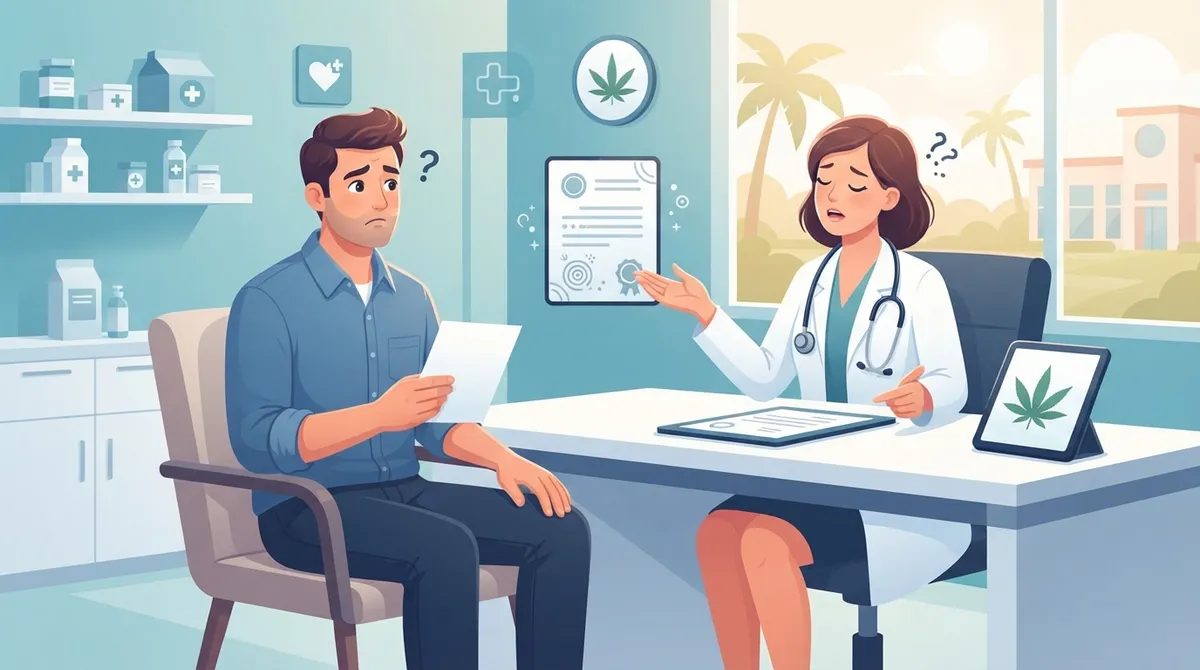
Myth 1: Any Primary Care Doctor Can Certify Medical Cannabis
This is the most common mistake. A primary care license does not automatically allow a doctor to certify cannabis. Under Florida Statutes section 381.986, a doctor must become a "qualified physician."
The rules are clear and specific. A qualified physician must meet these requirements:
- Hold an active, unrestricted Florida physician or osteopathic physician license.
- Complete a required two-hour course and exam before approval.
- Repeat the course and exam before each license renewal.
- Register in the state's Medical Marijuana Use Registry.
So the real answer to "can primary care doctors certify medical cannabis in Florida" is conditional. Some can, and many cannot. Always ask whether your doctor is a qualified physician before you book. You can also learn more about medical cannabis and natural relief before your visit.
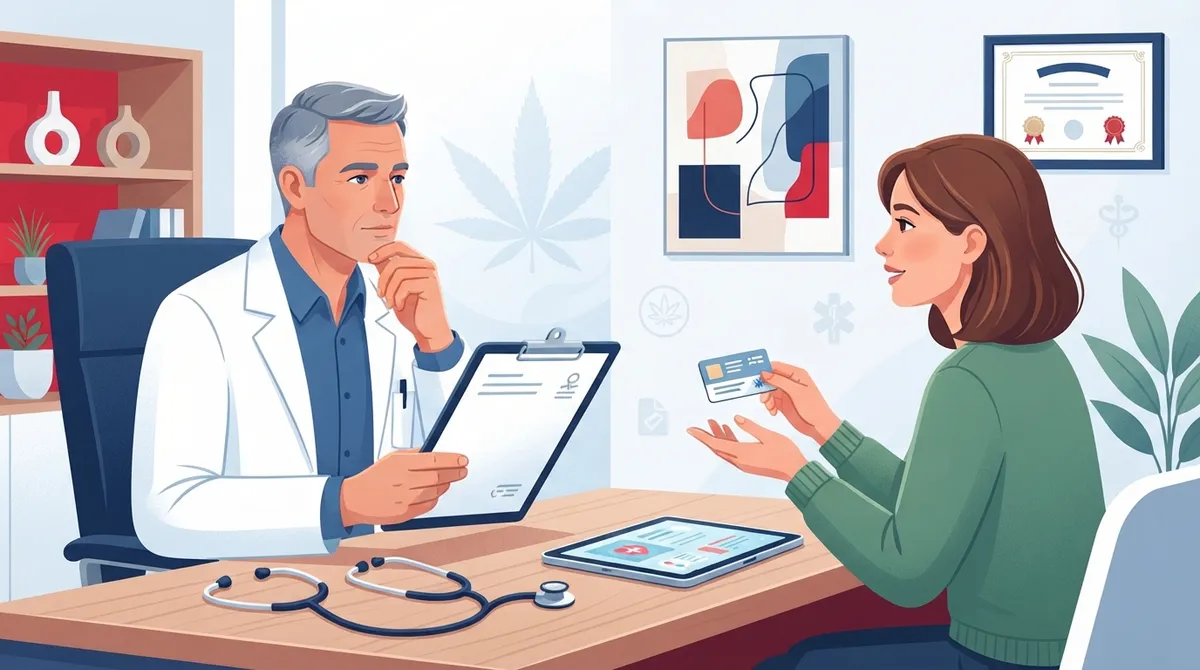
Myth 2: Certification Is the Same as a Prescription
Many patients think a cannabis certification works like a normal prescription. It does not. Cannabis is not approved by the FDA as a standard prescription drug. In Florida, a doctor issues a certification instead.
The physician enters that certification into the state registry. It lists your qualifying condition. It also lists the authorized dosage, amount, forms, and delivery devices. You then use this record to buy products from a licensed Medical Marijuana Treatment Center.
What the Doctor Must Document
A qualified physician cannot just approve a request. The doctor must complete several steps during your visit:
- Examine you and review your full medical history.
- Diagnose a qualifying medical condition.
- Determine that the likely benefits outweigh the health risks.
- Document that risk-benefit decision in your record.
- Check whether you are pregnant.
An initial certification requires an in-person physical exam. This is why a doctor who knows your health history is so valuable. Primary care teams already track your medications, chronic conditions, and past treatments. That context supports safer decisions.
Myth 3: Any Health Problem Qualifies You
Medical cannabis is not available for every complaint. Florida law lists specific qualifying conditions. A doctor must diagnose one of them before certifying you.
|
Qualifying Condition Group |
Examples |
|---|---|
|
Cancer and blood disorders |
Cancer |
|
Neurological conditions |
Epilepsy, ALS, Parkinson's disease, multiple sclerosis |
|
Eye and immune conditions |
Glaucoma, HIV/AIDS |
|
Digestive conditions |
Crohn's disease |
|
Mental health |
Post-traumatic stress disorder (PTSD) |
|
Comparable conditions |
Conditions of the same kind or class, based on physician judgment |
The "comparable condition" rule gives doctors some flexibility. However, it requires clinical judgment and careful documentation. A doctor must be able to explain why your condition fits. Because of this, a thorough exam matters more than a quick approval.
If you live with chronic pain, anxiety, or sleep problems, talk openly with your doctor. These concerns may or may not meet the legal standard. Our guide on medical cannabis for anxiety and sleep explains how a clinician approaches these questions.
Myth 4: Once Certified, You Can Buy Cannabis Right Away
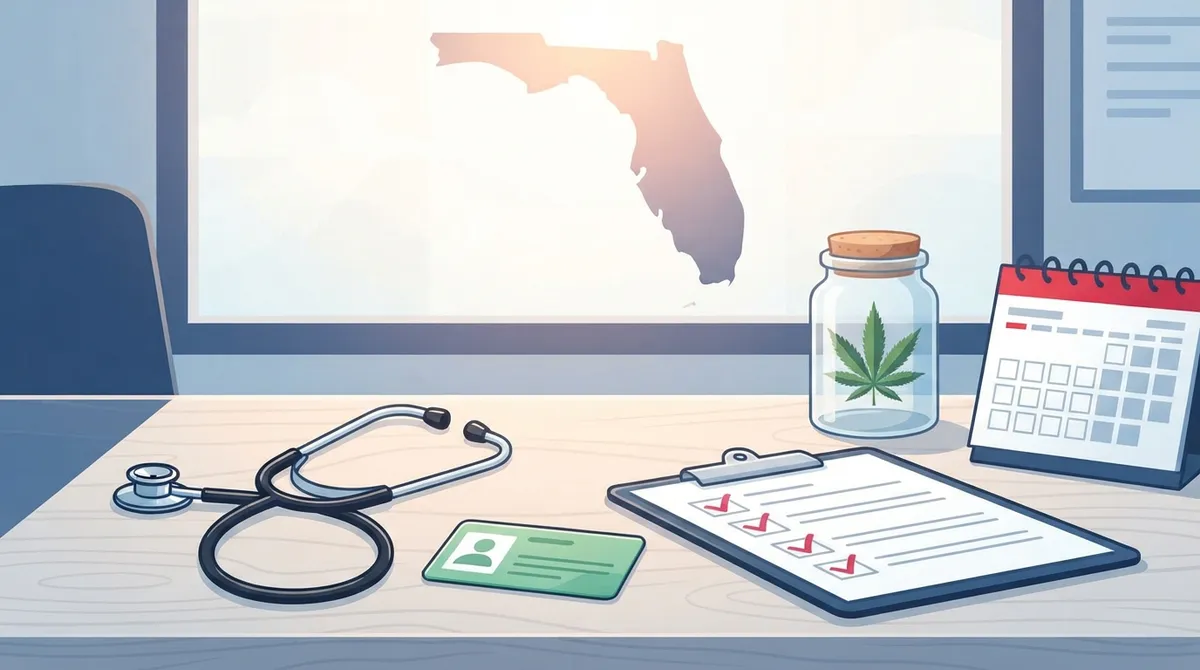
Certification is only the first step. Patients must also obtain a state medical marijuana use registry identification card. Without that card, you cannot purchase from a licensed treatment center.
Your Step-by-Step Path in 2026
- Confirm your doctor is a Florida qualified physician.
- Schedule an in-person evaluation and bring your medical records.
- Receive a diagnosis of a qualifying condition.
- Have the physician enter your certification in the state registry.
- Apply for your registry identification card.
- Purchase approved products from a licensed treatment center.
- Return for follow-up care and renewals as required.
Follow-up care is not optional. The physician must monitor how you respond and renew your certification on schedule. Patients who skip follow-ups risk gaps in access.
Pregnancy and age also matter. The law requires a pregnancy assessment and restricts certification for pregnant patients, with an exception for low-THC cannabis. For patients younger than 18, a second physician must agree with the risk-benefit determination.
Why Start With a Primary Care Team
A primary care doctor sees the full picture of your health. That matters because cannabis can interact with other medicines. It can also affect blood pressure, mood, and sleep. A team that knows your history can spot problems early.
Tech-savvy patients and busy families also value simple access. A single clinic can handle your checkups, chronic care, and cannabis evaluation. That means fewer handoffs and fewer repeated tests. If you are still choosing a provider, read our guide to choosing the right primary care physician in Tampa Bay.
InCare combines personalized primary care with advanced wellness services. Our clinicians focus on prevention and whole-body health at our Tampa and Riverview locations. You can explore our primary care services or see how our medical cannabis doctor in Tampa supports patients. Patients also rate us highly, so you can see what InCare customers say when you visit us on Google — InCare.
Questions to Ask Before Your Appointment
Come prepared. A few simple questions can save you time and money:
- Are you a qualified physician under Florida law?
- Do you require an in-person exam for the first visit?
- Which of my conditions might qualify?
- How often will I need follow-up visits and renewals?
- Will you review my current medications for interactions?
Clear answers show that a clinic follows the law and puts safety first. You can also follow clinic updates on Instagram and Facebook. For official details, always confirm current rules with the Florida Statutes or the state's Office of Medical Marijuana Use.
Conclusion
So, can primary care doctors certify medical cannabis in Florida? Yes, when they qualify under state law. The doctor must complete required training, examine you in person, document a qualifying condition, and enter your certification in the state registry. You then need a registry card to buy products legally.
Avoid the four myths above, and you will move through the process with confidence. Choose a provider who knows your health history and follows every rule. Ready to take the next step? Book your InCare appointment today, or contact our team with any questions first.
FAQs
Q: Can my primary care doctor recommend medical marijuana in Florida?
A: Yes, but only if your doctor is a Florida qualified physician. That means an active, unrestricted license plus the required two-hour course and exam. Being a primary care provider alone does not qualify a doctor.
Q: Do I need an in-person visit for my first cannabis certification?
A: Yes. Florida law requires an in-person physical examination for the initial certification. The physician must also review your medical history and document a qualifying condition.
Q: Which medical conditions qualify for medical cannabis in Florida?
A: Listed conditions include cancer, epilepsy, glaucoma, HIV/AIDS, PTSD, ALS, Crohn's disease, Parkinson's disease, and multiple sclerosis. Comparable conditions may also qualify when the physician documents sound clinical judgment.
Q: How do I get a registry card after my doctor certifies me?
A: Your physician enters your certification in the Medical Marijuana Use Registry. You then apply for a state registry identification card. You need that card to purchase from a licensed treatment center.
Q: Can minors or pregnant patients receive medical cannabis in Florida?
A: Minors may qualify, but a second physician must agree with the risk-benefit determination. Certification for pregnant patients is restricted, with an exception for low-THC cannabis.