
Key Takeaways
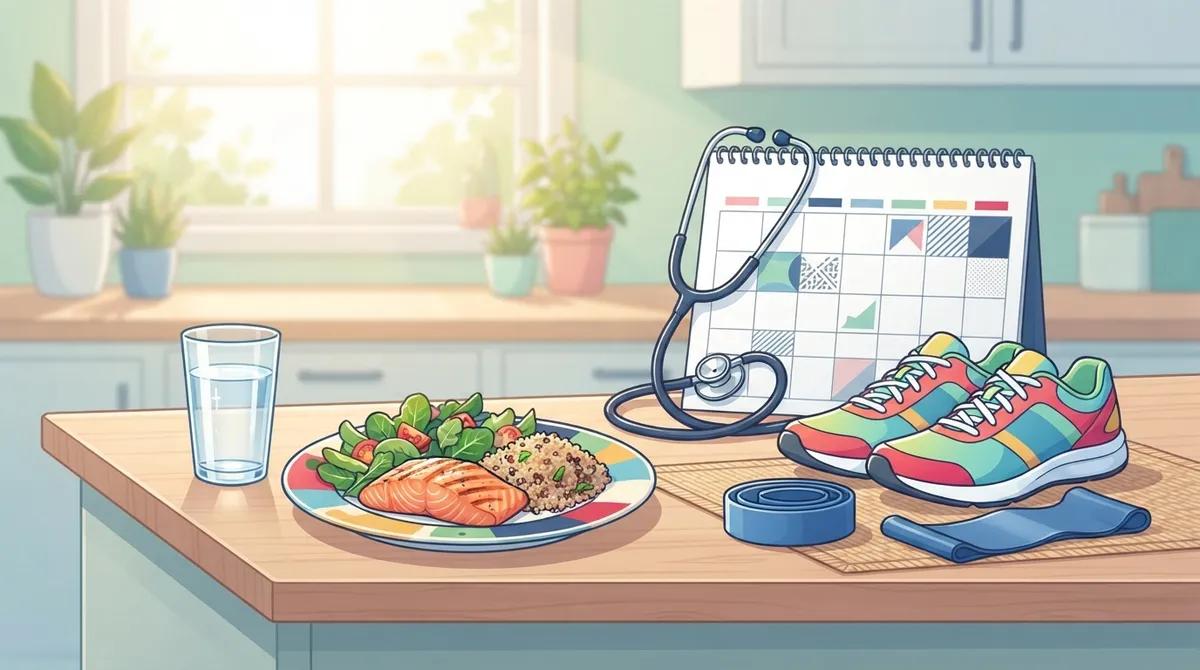
- Eat nutrient-dense foods with adequate protein at every meal, since reduced appetite makes each bite count; set individualized protein targets with your clinician or dietitian, especially if you have kidney disease.
- Combine daily walking with strength training two times weekly, working toward 150 minutes of moderate aerobic activity per week if your clinician agrees, to help protect muscle during weight loss.
- Ease nausea, reflux, and constipation by eating smaller, slower meals, sipping fluids steadily through the day, and adding fiber gradually rather than all at once.
- Keep regular follow-up visits with your primary care clinician to monitor weight, side effects, hydration, and related conditions, and never change or stop your medication without talking to your prescriber first.
Starting a GLP-1 medication can feel like the hard part is over. The prescription is filled, the first dose is done, and appetite begins to fade. Yet many patients discover that the medication alone does not guarantee the outcome they hoped for. Understanding what lifestyle changes help with GLP-1 results is just as important as taking the medication on schedule.
GLP-1 medicines work best as part of ongoing, individualized care. That care also covers eating patterns, physical activity, behavior, and existing health conditions. These medicines are not a substitute for those supports.
In the 68-week STEP 1 trial of 1,961 adults with overweight or obesity, participants taking semaglutide 2.4 mg plus lifestyle support lost a mean of 14.9% of body weight. The placebo group, which also received lifestyle support, lost 2.4% (NEJM, 2021). The lesson is clear: medication and daily habits work together.
This guide covers four common lifestyle mistakes that can limit results, and what to do instead. Whether you are a busy parent, a working professional, or someone new to preventive care, these steps are practical and easy to apply.

Why Lifestyle Still Matters on a GLP-1
GLP-1 medications reduce appetite and slow digestion. That is a powerful tool, but it changes how your body gets nutrients, fluids, and movement. Without a plan, patients can lose weight in ways that leave them tired, weak, or uncomfortable.
In STEP 1, lifestyle counseling happened every four weeks. Participants were encouraged to cut about 500 calories a day and to reach roughly 150 minutes of physical activity each week. The trial shows the medicine's benefit alongside lifestyle support. It does not prove that one exact diet or exercise plan fits everyone.
That is why a personalized approach matters. A medical weight loss program can match your habits, health conditions, and goals to a plan that is safe and realistic. For a deeper look at the difference, see what makes medical weight loss different from dieting.
Mistake 1: Eating Too Little Protein and Too Few Nutrients
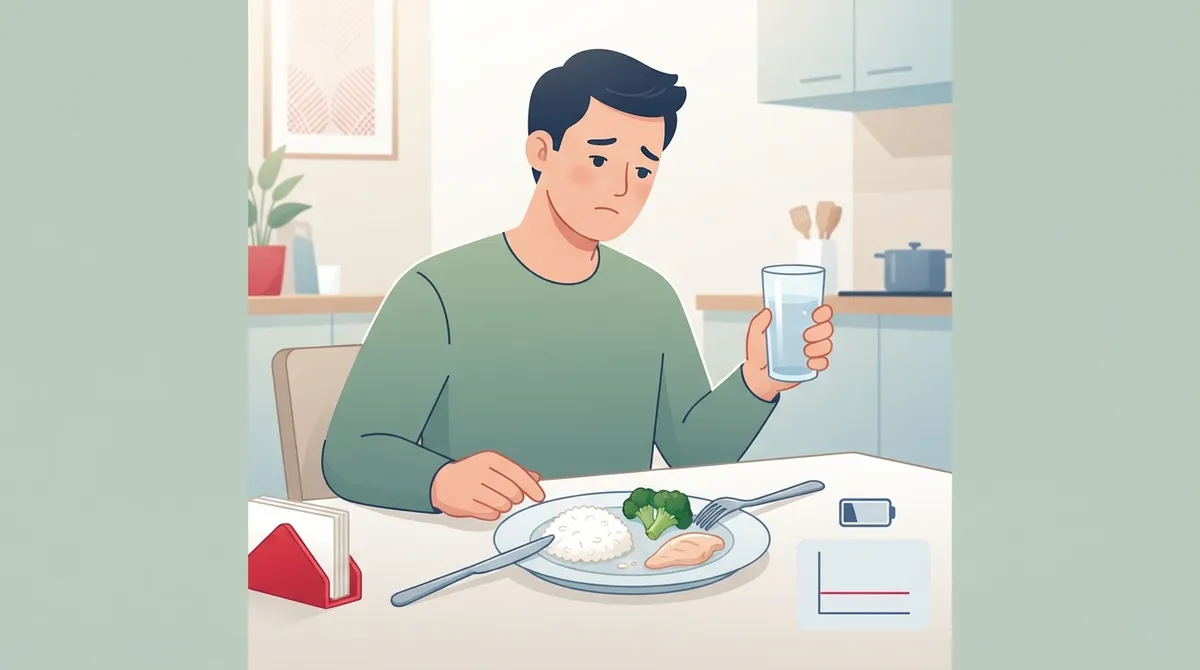
Reduced appetite is the most welcome effect of a GLP-1. It is also a risk. When you eat much less, it becomes harder to meet your nutritional needs. Skipping meals or grazing on low-quality snacks can leave you short on protein, vitamins, and minerals.
What to do instead
Focus on nutrient-dense foods at every meal. Each bite counts more when you are eating less. Prioritize adequate protein, since it supports muscle and keeps you feeling satisfied.
- Lean proteins: eggs, fish, poultry, Greek yogurt, tofu, and beans
- Colorful produce: vegetables and fruit for vitamins and fiber
- Whole grains: oats, quinoa, and brown rice in modest portions
- Healthy fats: olive oil, nuts, and avocado in small amounts
Protein targets should be individualized with a clinician or dietitian. This is especially important for people with kidney disease or other conditions that affect protein needs. Do not guess. Ask your provider what is right for your body.
Mistake 2: Ignoring Strength Training
Many patients walk more after starting treatment, which is great. But walking alone may not protect muscle. Strength work helps support muscle function during weight loss, and that matters for energy, balance, and long-term metabolism.
What to do instead
Combine aerobic activity with resistance or strength training when it is medically appropriate. A general adult benchmark cited in a 2025 clinician review is at least 150 minutes per week of moderate aerobic activity, or 75 minutes of vigorous activity, plus resistance exercise. Your own plan should reflect your fitness level, mobility, and health.
- Start small. Begin with 10 to 15 minutes of walking most days.
- Add two strength sessions weekly. Use bodyweight moves, resistance bands, or light weights.
- Increase gradually. Add time or load slowly to avoid injury.
- Adapt as needed. Choose low-impact options if you have joint pain or limited mobility.
- Check in with your clinician. Review your plan at follow-up visits.
Want to see where you stand? Tools like body composition analysis can show fat and muscle changes that the scale alone cannot reveal. You can learn more about this in our guide on how to preserve lean muscle mass while losing weight.
Mistake 3: Neglecting Hydration, Fiber, and Meal Habits
GLP-1 medicines slow stomach emptying. That can cause nausea, reflux, bloating, or constipation, especially when meals are large, greasy, or rushed. Many patients also forget to drink enough fluids because they feel less thirsty and less hungry.
What to do instead
Small changes at the table can make a big difference in comfort and consistency.
- Eat smaller, slower meals. These are often easier to tolerate.
- Avoid very large or high-fat meals if you notice nausea or reflux.
- Drink fluids throughout the day. Sip steadily instead of waiting until you feel thirsty.
- Add fiber gradually. Vegetables, fruit, beans, and whole grains support hydration and bowel regularity.
Increase fiber slowly. A sudden jump can cause gas and discomfort. If you have persistent constipation, vomiting, or cannot keep fluids down, contact your clinician right away. Do not change or stop your medication on your own.
|
Common Symptom |
Helpful Lifestyle Step |
When to Call Your Clinician |
|---|---|---|
|
Nausea |
Eat smaller meals; avoid high-fat foods |
If it persists or limits eating |
|
Reflux |
Slow down; skip very large meals |
If symptoms continue or worsen |
|
Constipation |
Add fiber gradually; drink more fluids |
If it lasts or becomes painful |
|
Low fluid intake |
Sip water through the day |
If you cannot keep fluids down |
Some patients also ask about added hydration support. Options such as IV hydration and vitamin drips may be discussed with your provider when dehydration is a concern. Timing can matter too, and our article on meal timing tips for weight loss offers helpful ideas.
Mistake 4: Skipping Follow-Up Care
Some patients treat a GLP-1 like a set-it-and-forget-it prescription. They fill it, inject it, and hope for the best. This is one of the most costly mistakes, because side effects, nutrition gaps, and plateaus often go unnoticed without regular check-ins.
What to do instead
Stay connected with a primary care clinician who knows your full health picture. Regular follow-up lets your provider monitor several key areas:
- Weight trajectory and body composition
- Nutrition and hydration
- Side effects and tolerability
- Physical function and energy
- Related conditions and other medications
Treatment goals and lifestyle plans should be tailored to you. Any medication change, including dose adjustments or stopping treatment, should be made with your prescribing clinician. This is where primary care adds real value. A provider who sees the whole picture can connect your weight goals with blood pressure, blood sugar, sleep, and mood. Learn more in our guide to how to know when weight loss medication is working.
A Simple Weekly Routine to Support GLP-1 Results
Putting the pieces together does not need to be complicated. Here is a sample framework you can adapt with your care team.
- Plan protein first. Build each meal around a protein source, then add produce and whole grains.
- Move most days. Aim to build toward 150 minutes of weekly activity if your clinician agrees.
- Strength train twice weekly. Keep sessions short and consistent.
- Hydrate on a schedule. Keep water nearby and sip often.
- Track how you feel. Note nausea, energy, and bowel habits to share at visits.
- Keep appointments. Regular follow-up keeps your plan on track.
Busy families and working professionals can fit this routine into real life. Batch-cook protein on Sunday, schedule short workouts like meetings, and keep easy fiber-rich snacks within reach.
What Happens If You Stop Taking Your GLP-1?
This is a common concern, and it is worth planning for. Weight can return after stopping a GLP-1 medication, which is why building lasting habits now matters. Strong nutrition, regular movement, and muscle-supporting exercise give you a foundation that stays with you. If you are considering a change, talk with your prescriber first. Our article on whether weight comes back after semaglutide stops explains what to expect.
Why Choose InCare for GLP-1 Support
InCare is a personalized primary care and wellness clinic serving Tampa and Riverview, Florida. We combine medical expertise with state-of-the-art technology to deliver whole-body, prevention-focused care. For patients using GLP-1 therapy, that means more than a prescription. It means a plan that fits your life.
Our team supports medical weight loss alongside tools such as metabolic breath analysis and body composition tracking, so your choices are guided by data. Because we also provide primary care, we can monitor related health conditions in one place. You can meet our providers or explore our locations to find the right fit. InCare holds a 4.8 out of 5 rating on Google, and you can visit us on Google — InCare to read what patients say. You can also follow our wellness updates on Instagram, Facebook, and TikTok.
Conclusion: Build Habits That Make Your Medication Work Harder
The best answer to what lifestyle changes help with GLP-1 results is simple: nourish your body, move with purpose, stay hydrated, and keep your care team close. Avoid the four mistakes covered here, and you give your treatment its best chance to succeed safely.
Remember that no single diet or exercise plan fits everyone. The right approach is individualized, supervised, and adjusted over time. If you are ready for a plan built around you, book your appointment with InCare today, or contact our team with questions. Your next step toward lasting results starts with one conversation.
FAQs
Q: What should I eat while taking a GLP-1 medication for weight loss?
A: Focus on nutrient-dense foods with adequate protein, along with vegetables, fruit, beans, and whole grains. Because appetite is reduced, every meal should count nutritionally. Work with your clinician or a dietitian to set protein targets that fit your health needs.
Q: What exercise is best while taking a GLP-1 medication?
A: A mix of aerobic activity and resistance or strength training is generally recommended when medically appropriate. Strength work helps support muscle function during weight loss. Increase activity gradually and adapt it to your fitness level, mobility, and health status.
Q: Do lifestyle changes still matter if I take a GLP-1 medication?
A: Yes. GLP-1 medicines work best as part of ongoing, individualized care that also addresses eating patterns, physical activity, behavior, and health conditions. In the STEP 1 trial, participants received lifestyle counseling alongside semaglutide, and the medication was never intended to replace those supports.
Q: How can I reduce nausea or constipation on a GLP-1?
A: Try smaller, slower meals and avoid very large or high-fat meals if nausea or reflux occurs. For constipation, drink enough fluids and add fiber-rich foods gradually. If symptoms persist, or you cannot keep fluids down, contact your prescriber rather than changing your medication on your own.
Q: What happens to weight after stopping a GLP-1 medication?
A: Weight can return after stopping a GLP-1, which is why sustainable nutrition, exercise, and follow-up care are so important. Any decision to change or stop treatment should be made with your prescribing clinician. A tailored plan can help you maintain progress over time.