

Key Takeaways
- Kisspeptin is a brain hormone that controls reproductive health by triggering hormone release for puberty, fertility, and gonadal function, but it remains an investigational treatment not yet FDA-approved.
- Clinical studies show kisspeptin can increase reproductive hormones like testosterone and FSH in both men and women, with potential applications for fertility treatment and IVF egg maturation.
- Kisspeptin is not FDA-approved or sold as a regulated supplement; online products lack safety verification and proper dosing, making medical supervision essential for any therapeutic use.
- Early research suggests kisspeptin may help with hypothalamic amenorrhea (missing periods) and potentially support metabolic health, but these applications remain investigational with limited evidence.
- Schedule a doctor's visit for hormone concerns like irregular periods, low testosterone, or fertility issues rather than self-treating, as established evidence-based treatments already exist today.
- Different kisspeptin forms (kisspeptin-10, -54, -112–121) have varying structures and delivery methods; short-term safety data is encouraging, but long-term effects in larger populations remain unstudied.
Hormone health affects nearly every part of your life, from energy levels to fertility to mood. If you have spent time researching reproductive health or hormone balance, you may have come across kisspeptin, a naturally occurring hormone getting attention in medical research circles. But what does the science actually say, and should you be curious about it during your next wellness visit?
Kisspeptin is a brain hormone that plays a central role in reproductive health. It signals your body to release other hormones tied to puberty, fertility, and gonadal function. While early research shows promise for several health applications, kisspeptin remains an emerging area of study rather than a routine treatment offered at most clinics. This article breaks down four evidence-based health benefits linked to kisspeptin, explains where the science stands today, and helps you understand when to bring up hormone concerns with your primary care provider.

What Is Kisspeptin and How Does It Work?
Kisspeptin is a hormone made in the hypothalamus, a small but powerful region of your brain. It activates a receptor called KISS1R, also known as GPR54. This action triggers the release of gonadotropin-releasing hormone, or GnRH, which controls your reproductive system.
Think of kisspeptin as a messenger. It tells your brain when it is time to release hormones that control puberty, menstrual cycles, and testosterone production. Without proper kisspeptin signaling, many core reproductive functions slow down or stop working correctly.
Researchers have studied this hormone for over two decades. Their findings show kisspeptin is necessary for normal puberty, healthy menstrual cycles, ovulation, sperm development, and testosterone production. When kisspeptin signaling breaks down, it can lead to serious health conditions.
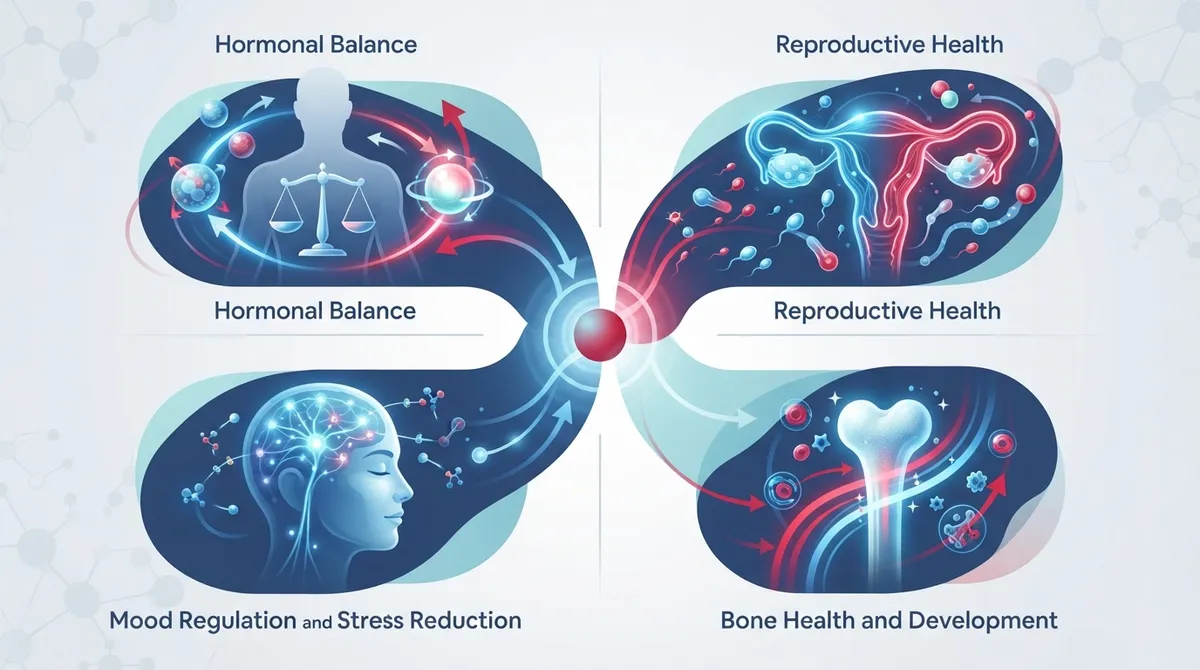
4 Kisspeptin Health Benefits Supported by Research
Below are four areas where kisspeptin shows real promise, based on published clinical studies. Each benefit reflects a different piece of the hormone puzzle your body relies on daily.
1. Supporting Reproductive Hormone Regulation
Kisspeptin plays a direct role in regulating reproductive hormones in both men and women. Clinical studies have given kisspeptin to more than 1,000 healthy men and women, along with patients facing reproductive or psychosexual conditions. Researchers found that injected kisspeptin increases luteinizing hormone, follicle-stimulating hormone, and testosterone in men.
In women, kisspeptin has shown the ability to boost reproductive hormone activity as well. This matters because these hormones control ovulation, sperm production, and overall reproductive health. Loss-of-function changes in the genes that control kisspeptin can cause a condition called congenital hypogonadotropic hypogonadism, which delays or prevents puberty.
On the other hand, too much kisspeptin signaling has been linked to early puberty in some cases. This shows how precisely your body needs to balance this hormone system.
2. Potential Support for Fertility Treatment
One of the most promising areas of kisspeptin research involves fertility care. Scientists have investigated kisspeptin as a trigger for final egg maturation during in-vitro fertilization, or IVF. This approach may offer an alternative to standard hCG triggers, especially for patients at risk of ovarian hyperstimulation syndrome.
A study tracking kisspeptin use in reproductive disorders included about 50 participants under the identifier NCT05633966. This research remains a specialist fertility treatment, not something offered in general primary care settings. Still, it points to a future where kisspeptin therapy could help specific patients struggling with infertility.
Hypothalamic amenorrhea, a condition where periods stop due to disrupted brain signaling, is another area under investigation. Early studies suggest kisspeptin may help restore hormone activity in women with this condition. If you are dealing with irregular or missing periods, this is worth discussing with a qualified provider rather than trying unproven products on your own.
3. Possible Role in Metabolic and Weight-Related Health
Beyond reproduction, kisspeptin may connect to how your body manages energy and insulin. Researchers are studying whether kisspeptin affects insulin secretion and metabolic function, particularly in cases of obesity-related hormone imbalance.
A phase I study tracked glucose-stimulated insulin secretion in about 16 participants, listed under ClinicalTrials.gov identifier NCT04958109. Results from this study were not yet available at the time of the most recent review. This tells us the science here is still developing.
If you are working on weight management, InCare's weight loss programs use proven, physician-guided methods rather than experimental peptides. Combining tools like metabolic breath analysis and body composition tracking gives you a clearer picture of your metabolic health today, without waiting on unproven therapies.
4. Emerging Interest in Bone and Psychosexual Health
Some early studies suggest kisspeptin may play a role in bone health and psychosexual function. Since kisspeptin controls hormones like testosterone and estrogen, and these hormones affect bone density, researchers are curious whether kisspeptin therapy could someday support bone strength.
Similarly, a few small studies have explored kisspeptin's connection to sexual desire and mood. The evidence here is much less established than its role in reproduction. A 2025 review found no major safety concerns across studies involving kisspeptin administration, but researchers stress that more data is needed before drawing firm conclusions.
|
Health Area |
Evidence Strength |
Current Clinical Use |
|---|---|---|
|
Reproductive hormone regulation |
Strong |
Well-established in research settings |
|
Fertility treatment (IVF trigger) |
Moderate |
Specialist fertility clinics only |
|
Metabolic and insulin function |
Early stage |
Investigational |
|
Bone health and psychosexual function |
Preliminary |
Not yet clinically applied |
Kisspeptin Peptide Types: What's the Difference?
Researchers have studied several forms of kisspeptin. Each one has a different structure and duration of action in the body.
- Kisspeptin-10: A shorter peptide fragment often used in early research due to its simplicity.
- Kisspeptin-54: A longer form that has been tested using intranasal delivery methods in clinical studies.
- Kisspeptin-112–121: Used in newer trials, including a phase I study with about 50 participants focused on reproductive disorders.
These distinctions matter because dosing, safety data, and administration methods differ between forms. This is exactly why self-treating with over-the-counter products is risky. Products marketed online as kisspeptin may have uncertain purity, unclear dosing, and no regulatory oversight.
Is Kisspeptin Safe? What the Research Shows
Safety data on kisspeptin looks encouraging so far, though it remains limited to controlled research settings. A 2025 study of intranasal kisspeptin-54 reported no adverse events among participants. Researchers also found no meaningful changes in blood pressure or heart rate at the doses tested.
Still, larger and longer studies are needed before kisspeptin can be considered a standard treatment option. Here are key safety points to keep in mind:
- Kisspeptin is not FDA-approved as a treatment for fertility, weight loss, low testosterone, or menopause symptoms.
- It is not sold as a regulated over-the-counter supplement.
- Products labeled as kisspeptin or kisspeptin-10 online may lack proper testing, purity verification, or correct storage.
- Short-term studies show good tolerability, but long-term safety data remains incomplete.
- Any use of kisspeptin therapy should happen under medical supervision, not through self-directed purchases.
When Should You Talk to a Doctor About Hormone Health?
You do not need to wait for a kisspeptin breakthrough to address hormone concerns. Many symptoms tied to reproductive or metabolic hormone imbalances can be evaluated today using standard, well-established testing and treatment options.
Consider scheduling a visit if you experience any of the following:
- Irregular or missing menstrual periods
- Signs of low testosterone, such as fatigue or reduced muscle mass
- Difficulty conceiving after trying for six months or longer
- Unexplained changes in libido or sexual function
- Concerns about puberty timing in a child or teen
- Unexplained weight changes tied to hormone symptoms
At InCare, our providers, including Dr. Naveen Paddu, Dr. Pramjeet Ahluwalia, and Dr. Teshy John, offer thorough evaluations that go beyond guesswork. Our DNA gene testing and comprehensive lab work can help identify the root cause of hormone-related symptoms.
Steps to Take If You're Curious About Kisspeptin Therapy
If you have read about kisspeptin online and want to know if it applies to your health, follow these steps before trying anything on your own.
- Schedule an appointment with a licensed primary care provider to discuss your specific symptoms.
- Request appropriate hormone testing to identify any underlying imbalances.
- Ask your provider about established, evidence-based treatments for your condition first.
- Avoid purchasing kisspeptin products from unregulated online sellers.
- Stay updated on ongoing clinical trials if you are interested in future treatment options.
- Discuss any peptide therapy interest openly with your doctor rather than self-administering.
InCare also offers guidance on peptide therapy in Tampa for patients interested in learning more about how peptides fit into modern wellness care, always under proper medical supervision.
Why Choose InCare for Hormone and Wellness Concerns
Navigating hormone health can feel overwhelming, especially with so much conflicting information online. InCare combines advanced diagnostic tools with real medical expertise to help you make informed decisions about your health. Our team in Tampa and Riverview offers same-day appointments, virtual visits, and a full range of experienced providers who take time to listen.
We proudly maintain a 4.8 out of 5 rating on Google, based on hundreds of patient reviews praising our friendly staff and thorough care. You can visit us on Google — InCare to read more patient experiences before your first visit. You can also follow our latest wellness updates on Facebook, Instagram, and TikTok for helpful health tips throughout the year.
Whether you need a cancer screening, help managing a chronic condition, or simply want answers about symptoms affecting your daily life, our Tampa and Riverview locations are ready to help. We also provide urgent care services for when health concerns can't wait.
Conclusion: Take Control of Your Hormone Health Today
Kisspeptin research offers a fascinating look into how your brain and reproductive system communicate. From supporting hormone regulation to potential fertility applications, this hormone shows real promise for the future of medicine. But for now, it remains an area of active research rather than a proven treatment you can access through routine care.
The good news is you do not need to wait for future breakthroughs to address hormone concerns today. Trusted, evidence-based care already exists for conditions like low testosterone, irregular periods, and fertility challenges. If you are ready to get answers about your hormone health, our team is here to help. Reach out to our care team to schedule a consultation, or go ahead and book your appointment online today.
FAQs
Q: What is kisspeptin and how does it work?
A: Kisspeptin is a naturally occurring hormone made in the brain that activates the KISS1R receptor. This triggers the release of GnRH, a hormone that controls puberty, menstrual cycles, and testosterone production.
Q: Can kisspeptin improve fertility in women or men?
A: Early clinical research suggests kisspeptin may support fertility by boosting reproductive hormones like LH, FSH, and testosterone. It is also being studied as an alternative trigger for egg maturation during IVF, though this remains a specialist fertility treatment.
Q: Is kisspeptin safe, and what side effects can it cause?
A: Studies involving more than 1,000 participants have reported good short-term tolerability with few safety concerns. A 2025 intranasal study found no adverse events and no significant changes in blood pressure or heart rate, though long-term safety data is still limited.
Q: Are kisspeptin injections or nasal sprays FDA-approved?
A: No, kisspeptin is not FDA-approved for fertility, weight loss, low testosterone, or any other condition. It remains an investigational compound studied in clinical trials rather than a routine treatment option.
Q: What is the difference between kisspeptin-10, kisspeptin-54, and kisspeptin-112–121?
A: These are different forms of the kisspeptin peptide used in research. Kisspeptin-10 is a shorter fragment, kisspeptin-54 is longer and has been tested via nasal spray, and kisspeptin-112–121 is used in newer trials focused on reproductive disorders.