
Key Takeaways
- GHK-Cu lacks direct clinical evidence for stretch marks—most research focuses on aging skin and wound healing, not striae, so biological plausibility doesn't equal proven results.
- Early red stretch marks (striae rubrae) respond better to treatment than mature white ones (striae albae); prescription tretinoin works better for fresh marks, while laser therapy suits older marks.
- Real skin remodeling takes 8-12 weeks minimum; products promising visible stretch mark fading within two weeks are making unsubstantiated claims not supported by research.
- Pregnant and breastfeeding patients should consult a clinician before using GHK-Cu serums since formulations vary widely and standardized dosing safety data doesn't exist for these populations.
- A balanced approach combining consistent moisturizing, weight stability, prescription treatments for early marks, and professional procedures works better than relying on any single ingredient.
- Sudden widespread stretch marks without clear cause, unusually dark marks, or marks paired with fatigue and weight changes warrant clinical evaluation to rule out hormonal or endocrine issues.
Stretch marks affect most people at some point in life. Pregnancy, growth spurts, weight changes, and muscle gain can all leave marks on your skin. If you have searched for answers online, you have likely come across GHK-Cu, a copper peptide praised for skin repair. But does it actually work on stretch marks, or is this just another wellness trend? Understanding the real science behind GHK-Cu can save you money, time, and frustration.
This guide breaks down what GHK-Cu is, what the research actually shows, and the most common mistakes people make when trying to treat stretch marks with this peptide. We will also cover safer, evidence-backed options and explain when you should talk to a primary care clinician instead of relying on a serum alone. At InCare, our providers in Tampa and Riverview help patients separate skincare hype from real medical guidance.
What Is GHK-Cu and Why Is It Linked to Skin Repair?
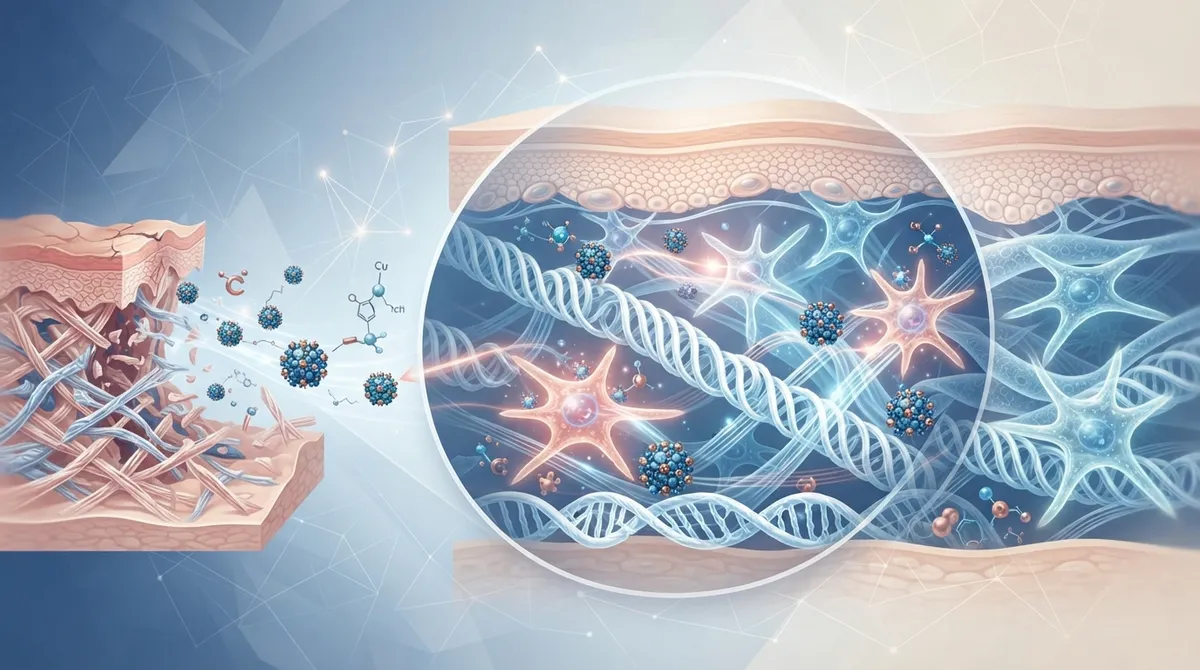
GHK-Cu, also called copper tripeptide-1, is a small protein your body makes naturally. It binds to copper and plays a role in wound healing, tissue repair, and inflammation control. Researchers have studied it for decades because of its effects on skin cells called fibroblasts, which help produce collagen.
Collagen is the protein that keeps skin firm and elastic. When collagen breaks down or stretches too fast, marks can form on the skin's surface. This is why GHK-Cu has drawn attention from skincare companies claiming it can fade stretch marks.
How Stretch Marks Actually Form
Stretch marks, known medically as striae distensae, happen when the middle layer of skin (the dermis) stretches faster than it can adjust. This commonly happens during:
- Pregnancy, especially in the third trimester
- Puberty growth spurts
- Rapid weight gain or weight loss
- Fast muscle growth from strength training
- Long-term corticosteroid use
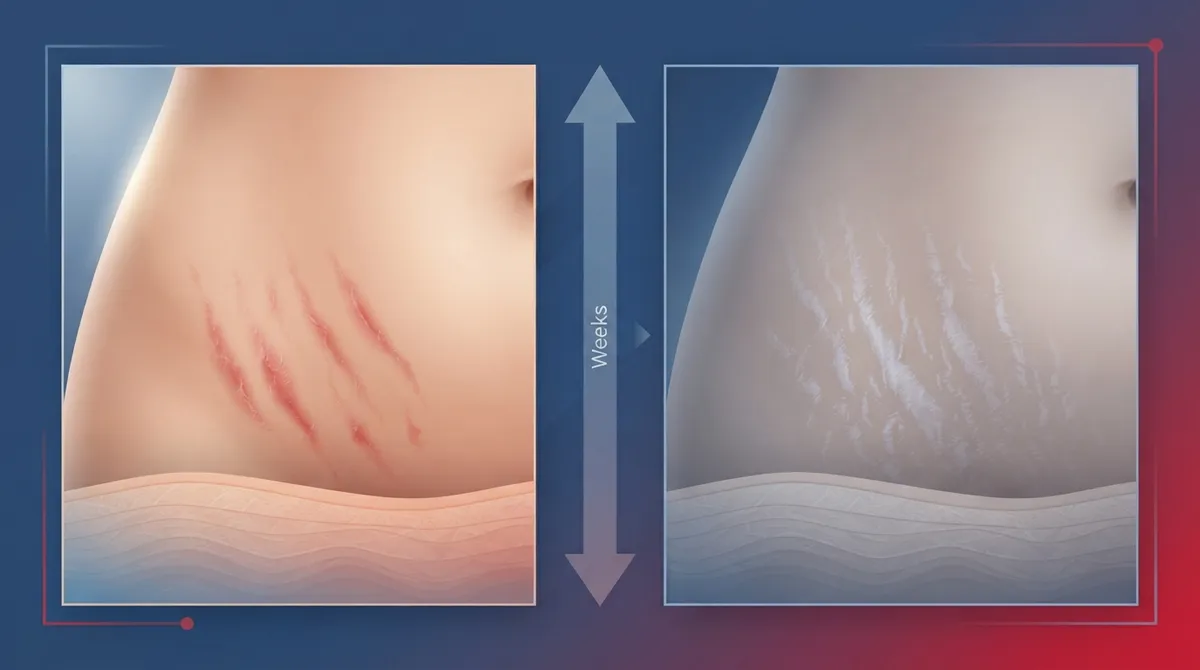
New stretch marks often look red, pink, or purple. This early stage is called striae rubrae. Over months or years, they usually fade to a pale white or silver color, known as striae albae. Older, white marks are much harder to treat than fresh ones.
Mistake 1: Believing GHK-Cu Is a Proven Stretch Mark Treatment
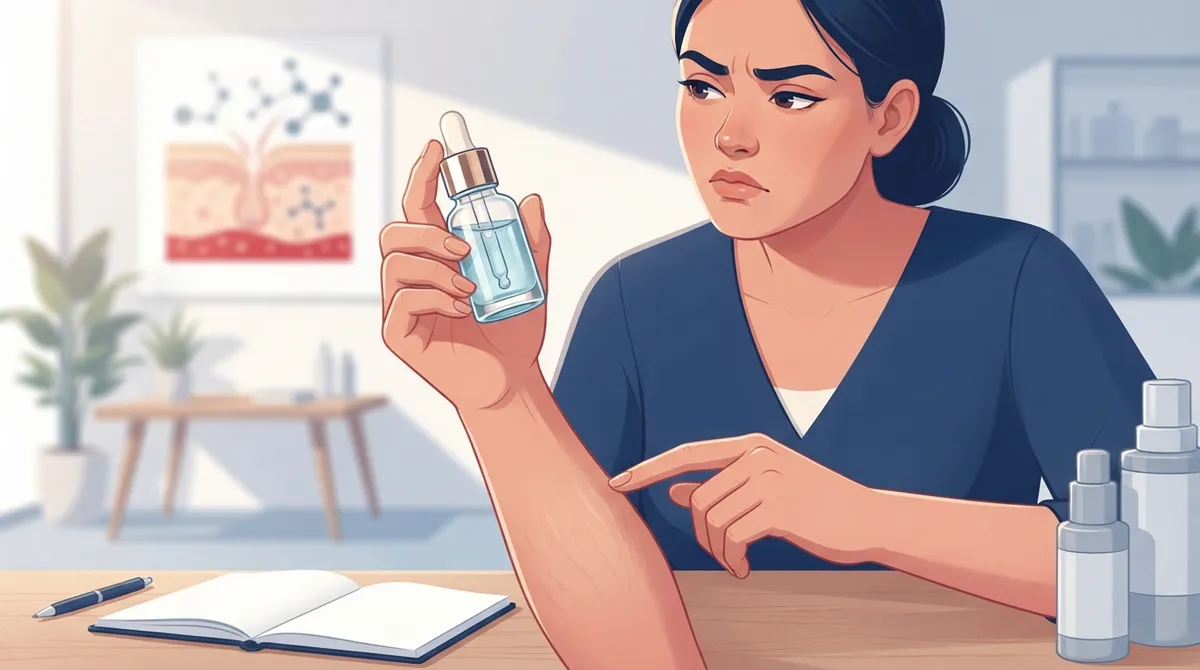
This is the biggest misunderstanding people have. Most GHK-Cu research focuses on aging skin, wrinkles, and wound healing, not stretch marks specifically. A 12-week study of 71 women with sun-damaged facial skin found improvements in skin thickness, firmness, and clarity. That is promising for anti-aging skincare, but it says nothing about stretch marks.
Another small study on thigh skin found that topical GHK-Cu increased collagen production in about 70% of participants, compared to 50% for vitamin C and 40% for retinoic acid. Again, this measured collagen activity in aging skin, not the width or depth of striae. There is currently no clinical trial that directly proves GHK-Cu removes or significantly shrinks stretch marks.
|
Research Area |
What Was Studied |
Applies to Stretch Marks? |
|---|---|---|
|
Photoaged facial skin |
Wrinkles, laxity, skin density |
No direct link |
|
Thigh skin collagen study |
Collagen production rates |
No direct link |
|
Wound healing models |
Fibroblast activity, tissue repair |
Mechanism only, not proven outcome |
|
Stretch mark-specific trials |
Width, depth, disappearance of striae |
Not found in reliable clinical literature |
Biological plausibility is not the same as proof. Just because GHK-Cu supports collagen in lab settings does not mean a store-bought serum will fade your stretch marks.
Mistake 2: Expecting Fast or Dramatic Results
Skincare marketing often promises quick fixes. Real skin remodeling takes months, not days. Even well-studied treatments rarely erase stretch marks completely. The American Academy of Dermatology notes that most treatments offer partial improvement, not full removal.
Here is a realistic timeline for what to expect if you try a GHK-Cu product responsibly:
- Weeks 1-4: Skin may feel smoother, but visible changes are unlikely.
- Weeks 4-8: Some people report mild improvement in skin texture.
- Weeks 8-12: This matches the typical length of most published GHK-Cu studies, which focused on facial skin quality, not striae.
- Beyond 12 weeks: Long-term stretch mark data is limited, so results beyond this point are not well documented.
If a product promises visible stretch mark fading within two weeks, treat that claim with caution.
Mistake 3: Using GHK-Cu Without Considering Pregnancy or Skin Sensitivity
Many people first notice stretch marks during or after pregnancy. This is also when skin is most sensitive and when ingredient safety matters most. Topical GHK-Cu appears to have a reasonable safety profile in cosmetic use, but formulations vary widely, and there is no standardized dose for pregnant or breastfeeding patients.
Some important safety points to keep in mind:
- Product concentration and quality are not standardized across brands
- Possible side effects include redness, itching, or contact dermatitis
- Oral GHK-Cu supplements and injectable peptide products are not established stretch mark treatments
- Pregnant or breastfeeding patients should check with a clinician before adding any new topical peptide
If you are pregnant or planning to become pregnant, it is worth discussing skincare choices during a primary care visit rather than guessing based on internet claims.
Comparing GHK-Cu to Better-Studied Options
|
Treatment |
Best For |
Pregnancy Safe? |
Evidence Level |
|---|---|---|---|
|
Topical GHK-Cu |
General skin quality support |
Not clearly established |
Limited, mostly aging skin studies |
|
Tretinoin (prescription) |
Early red stretch marks |
No, contraindicated |
Moderate for early striae |
|
Fractional laser |
Older white stretch marks |
Not during pregnancy |
Moderate, requires specialist review |
|
Microneedling |
Texture and mild fading |
Case-by-case |
Growing but still limited |
Mistake 4: Ignoring When a Clinician Should Evaluate Your Skin
Most stretch marks are harmless and simply a cosmetic concern. But certain patterns deserve a closer look. You should schedule an evaluation if you notice:
- Sudden, widespread stretch marks with no clear cause
- Unusually wide or dark marks appearing quickly
- Stretch marks paired with fatigue, weight changes, or high blood pressure
- A history of long-term corticosteroid use
- Marks that appear alongside other unexplained skin changes
These signs can sometimes point to hormonal or endocrine issues that need medical attention. A cancer screening or general wellness visit at InCare can also help rule out unrelated concerns while addressing your skin questions in one visit.
What Actually Helps: A Balanced, Evidence-Based Approach
Instead of relying on one ingredient, most dermatology guidance supports a combined approach. Consider these steps:
- Moisturize consistently to support the skin barrier
- Ask a clinician about prescription tretinoin for early, red marks (not during pregnancy)
- Discuss in-office procedures like laser therapy for older, white marks
- Maintain steady body weight to reduce new skin stretching
- Support overall skin health through nutrition and hydration
Weight stability plays a bigger role than most people realize. If rapid weight changes are contributing to new stretch marks, a structured weight loss program supervised by a clinician may help you avoid the fast fluctuations that make striae worse. Programs that combine nutrition guidance with body composition tracking can also help you understand how your skin and body are changing together.
How InCare Approaches Skin and Wellness Concerns
At InCare, our providers in Tampa and Riverview take a whole-body approach to skin and wellness questions. Rather than pushing a single product, our team looks at hormone health, weight trends, and skin history together. This is especially useful for patients dealing with stretch marks tied to pregnancy, rapid growth, or weight change.
Our clinicians, including Pramjeet Ahluwalia MD and Naveen Paddu MD, can help you sort fact from marketing claims. If you are exploring options like peptide therapy in Tampa, our team can walk you through what current research does and does not support, so you make an informed choice.
Many patients also come in for a broader wellness check. A DNA gene testing panel or full annual wellness visit can uncover patterns related to skin elasticity, metabolism, and hormone balance that go beyond what any topical product can address alone.
Realistic Expectations Table
|
Stretch Mark Stage |
Appearance |
Treatment Response |
|---|---|---|
|
Early (striae rubrae) |
Red, pink, or purple |
Best response to early intervention |
|
Mature (striae albae) |
White or silver |
Harder to treat, partial improvement only |
Understanding which stage your stretch marks are in helps set realistic goals. Early marks tend to respond better to any intervention, while older marks generally need procedural treatments for meaningful change.
Following InCare for Wellness Updates
InCare regularly shares evidence-based wellness tips across social platforms. You can follow updates on Facebook, check skin and wellness content on Instagram, or watch quick health tips on TikTok. These channels are a good way to stay current on peptide research as new studies come out.
Patients across Tampa and Riverview consistently rate their experience highly, and you can visit us on Google — InCare to read reviews from people who have worked with our team on weight management, skin concerns, and overall wellness planning.
Final Thoughts on GHK-Cu and Stretch Marks
GHK-Cu is an interesting peptide with real research behind its role in skin repair and collagen support. But it is not a proven cure for stretch marks. Avoiding the four mistakes above, expecting overnight results, skipping pregnancy precautions, ignoring safety data, and missing signs that need clinical review, can protect both your skin and your health.
If you want a clear, honest plan for managing stretch marks or other skin concerns, our team can help you sort through the options. Reach out to our care team to ask questions, or go ahead and schedule your visit today to start a personalized wellness plan built around your actual skin and health needs.
FAQs
Q: Does GHK-Cu actually work for stretch marks?
A: Current evidence does not confirm that GHK-Cu reliably fades or removes stretch marks. Most research on this peptide focuses on aging skin, wrinkles, and wound healing rather than striae specifically, so results for stretch marks remain unproven.
Q: Can copper peptide serum remove old white stretch marks?
A: Old, white stretch marks (striae albae) are generally harder to treat than fresh red marks. There is no strong clinical evidence that copper peptide serums can fully remove mature stretch marks, though they may support general skin texture.
Q: Is GHK-Cu safe to use on stretch marks during pregnancy?
A: Safety data for topical GHK-Cu during pregnancy is limited, and product formulations vary widely. Pregnant or breastfeeding patients should speak with a primary care clinician before adding any new peptide product to their skincare routine.
Q: What is the difference between GHK-Cu and tretinoin for stretch marks?
A: Tretinoin has more clinical support for treating early, red stretch marks but is not safe during pregnancy or breastfeeding. GHK-Cu has a gentler safety profile but lacks the same level of stretch mark-specific research.
Q: When should stretch marks be evaluated by a primary care clinician?
A: You should seek an evaluation if stretch marks appear suddenly, spread quickly, or occur alongside symptoms like fatigue or weight changes. These patterns can sometimes signal an underlying hormonal or endocrine issue that needs medical attention.