Key Takeaways
- Ipamorelin activates the ghrelin receptor linked to hunger, making appetite increase biologically possible, but no reliable human research confirms it consistently makes people hungrier with proven frequency rates.
- FDA has not approved ipamorelin for any human use including appetite or wellness, and October 2024 regulatory review flagged safety concerns about compounded forms and lack of subcutaneous administration data.
- Most human studies on ipamorelin were not designed to measure appetite; the only notable 2014 Phase 2 trial tested it for postoperative ileus and found no significant benefit over placebo.
- Animal studies show increased food intake after ipamorelin, but results cannot be directly applied to humans due to different body mechanisms and non-comparable dosing protocols.
- Before considering ipamorelin, consult a licensed provider about your health history, current medications, FDA approval status, compounding safety standards, and whether safer proven alternatives exist for your goals.
- Compounded peptides lack FDA manufacturing oversight, creating variability in purity, dosing accuracy, and sterility between suppliers, making quality control a significant safety concern.
If you have read about ipamorelin online, you may have seen claims that it makes people hungrier. This question matters if you are exploring peptide therapy for wellness goals. Many patients in Tampa and Riverview ask their doctors about this peptide before trying it. The honest answer is more complicated than a simple yes or no.
This article breaks down what science actually shows about ipamorelin and appetite. We will look at how it works in the body, what research really says, and why safety should come first. Whether you are a busy parent, a wellness-focused professional, or someone exploring anti-aging options, understanding the real facts matters. At InCare, we believe patients deserve clear, honest information before considering any treatment.
What Is Ipamorelin and How Does It Work?
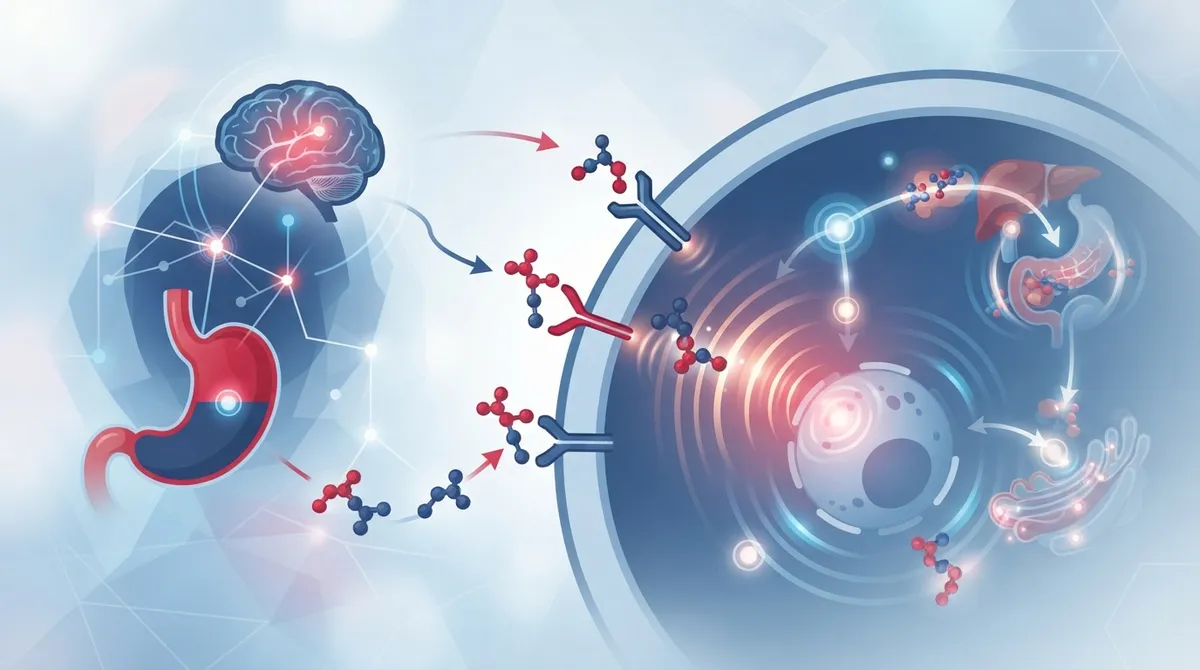
Ipamorelin is a lab-made peptide. It belongs to a group called growth-hormone secretagogues. These compounds tell your body to release more growth hormone. Ipamorelin does this by activating a specific receptor called GHS-R1a.
Here is the interesting part. This same receptor also plays a role in hunger. It is often called the ghrelin receptor because ghrelin is your body's natural hunger hormone. When ghrelin binds to this receptor, you feel hungry. Since ipamorelin activates the same receptor, it makes sense that it could affect appetite too.
This connection is why so many people ask does ipamorelin increase appetite. The biology behind the question is real. But biological plausibility is not the same as proven fact. Just because something could happen does not mean it does happen reliably in every person.

1. The Ghrelin Receptor Connection Is Real But Unproven in Humans
Ipamorelin's link to the ghrelin receptor is well documented in lab studies. This receptor triggers multiple effects in the body, including growth hormone release and appetite signals. Because of this shared pathway, some wellness marketing suggests ipamorelin will make you eat more.
However, receptor activity alone does not tell us how strong or common this effect is in real people. Many factors influence appetite, including diet, sleep, stress, and other hormones. A peptide can technically activate a hunger-related receptor without causing a noticeable hunger increase in every user.
This is an important distinction. Marketing claims often skip this nuance. If you are considering peptide therapy for weight management or wellness, it helps to understand this gap between lab mechanisms and real-world results.
2. Human Research Does Not Confirm Reliable Appetite Increases
Here is where things get clearer. The scientific evidence in humans is limited. Most studies on ipamorelin were not designed to measure appetite as a main goal. This means we do not have strong data showing how often people feel hungrier, or how much hungrier they feel.
One notable study looked at ipamorelin for a different purpose entirely. Researchers tested it in patients recovering from bowel surgery. They wanted to see if it could help with a condition called postoperative ileus, which slows digestion after surgery. The 2014 multicenter, double-blind, placebo-controlled Phase 2 trial did not find a significant difference between ipamorelin and placebo on its main outcome measure. This study was not about appetite in healthy wellness patients. It does not give strong evidence either way.
Animal studies tell a different story. Some research in animals has shown increased food intake and weight gain after ipamorelin use. But animal results cannot be assumed to apply directly to humans. Bodies work differently, and doses used in lab animals often do not match human treatment plans.
What This Means for Wellness Patients
If you are hoping ipamorelin will boost your appetite in a predictable way, current evidence cannot promise that outcome. If you are hoping it will not affect your appetite at all, that also cannot be guaranteed. The honest answer is uncertainty.
This is exactly why working with a licensed clinician matters so much. A qualified provider can help you understand real risks and realistic expectations rather than relying on internet claims or peptide marketing pages.
3. Ipamorelin Is Not FDA-Approved for Any Human Use
This fact surprises many people. Ipamorelin is not approved by the FDA for appetite stimulation, weight gain, growth hormone deficiency, or any other human condition. This means any product marketed for these purposes is not an approved treatment.
The lack of FDA approval matters for several reasons. Approved medications go through rigorous testing for safety and effectiveness. Without that process, dosing standards, purity levels, and long-term safety data remain unclear.
In October 2026, discussions continue around how compounded peptides like ipamorelin should be regulated. The FDA's Pharmacy Compounding Advisory Committee reviewed this topic during an October 29, 2024 meeting. Their conclusion raised concerns. Available clinical information suggested possible safety issues with compounding ipamorelin free base and ipamorelin acetate. The committee also noted a lack of safety data for subcutaneous use, which is a common injection method for this type of peptide.
|
Fact |
What It Means |
|---|---|
|
FDA Approval Status |
Not approved for appetite, weight gain, or wellness use |
|
2014 Human Trial |
Tested for postoperative ileus, not appetite; no significant benefit found |
|
Animal Studies |
Some evidence of increased food intake, not confirmed in humans |
|
FDA Compounding Review |
Raised safety concerns in October 2024 committee meeting |
This information should not scare you away from wellness care. It should encourage you to ask better questions. Always talk with a licensed provider before trying any unapproved peptide product.
4. Safety and Risk Factors You Should Discuss With a Doctor
Before considering ipamorelin or any peptide therapy, certain health factors deserve attention. People with diabetes or other metabolic conditions should be especially cautious. Growth hormone secretagogues can interact with blood sugar regulation in ways that are not fully understood in casual or unsupervised use.
Pregnant or breastfeeding individuals should avoid unapproved peptides entirely. The same caution applies to anyone taking medications that affect glucose levels or growth hormone pathways. Mixing unapproved products with prescribed treatments can create unpredictable interactions.
Here are steps to take before considering this or any peptide:
- Schedule a consultation with a licensed primary care provider to discuss your health history.
- Ask specifically about FDA approval status for any product being discussed.
- Request information on compounding safety and quality control standards.
- Disclose all current medications, including those for diabetes or hormone therapy.
- Discuss realistic expectations rather than relying on marketing claims.
Never start or stop any treatment without professional guidance. This is especially true for compounded products that lack the same oversight as FDA-approved medications.
Common Side Effects and Risks to Know
Beyond appetite questions, ipamorelin carries other reported risks. Some patients report injection site reactions, headaches, or flushing. Because it affects hormone pathways, it may also influence other bodily systems in ways that are not fully mapped out through large-scale human trials.
Quality control is another concern. Compounded peptides are not held to the same manufacturing standards as FDA-approved drugs. This means purity, dosing accuracy, and sterility can vary between suppliers. A trusted clinic with proper medical oversight reduces some of these risks, but it does not eliminate the underlying uncertainty around unapproved compounds.
Why Professional Guidance Matters More Than Ever
Wellness trends move fast. Social media and online forums often promote peptides without mentioning these safety gaps. That is why a relationship with a trusted primary care provider is so valuable. A good clinician will walk through your DNA gene testing results, current health markers, and personal goals before recommending any path forward.
At InCare, our approach centers on primary care that looks at your whole health picture. We also offer body composition analysis and metabolic breath analysis to help patients understand their bodies before considering any wellness intervention. These tools give real data instead of guesswork.
How InCare Approaches Peptide and Wellness Questions
Patients often come to us with questions sparked by something they read online. Our team believes education comes first. We want you to understand the difference between marketing hype and medical evidence.
If you are curious about peptide therapy options in Tampa, our providers will walk through the science, the risks, and whether any treatment fits your specific health profile. We never rush patients into decisions based on incomplete information.
For those focused on weight management specifically, our weight loss programs use evidence-based approaches under medical supervision. This gives you a safer path toward your goals compared to unsupervised use of unapproved compounds.
Our providers, including Dr. Naveen Paddu, Dr. Pramjeet Ahluwalia, and Dr. Teshy John, bring years of experience to every wellness conversation. You can learn more about our full team on our providers page.
Questions to Ask Before Starting Any Peptide Therapy
Being an informed patient protects your health and your wallet. Consider asking these questions during any wellness consultation:
- Is this product FDA-approved, or is it a compounded substance?
- What does current human research actually show about effectiveness?
- How will my specific health conditions affect safety and dosing?
- What quality control measures are in place for sourcing this product?
- Are there proven alternatives that might achieve similar goals more safely?
A trustworthy provider will welcome these questions. If a clinic pressures you to skip this conversation, that is a warning sign worth noticing.
Bringing It All Together
So, does ipamorelin increase appetite? The honest answer is that it might, based on how it interacts with the ghrelin receptor. But solid human evidence proving this effect does not currently exist. Animal studies show promise, but they cannot be directly applied to people. The FDA has not approved this peptide for appetite or wellness use, and recent regulatory reviews have flagged safety concerns around compounding.
This uncertainty is not a reason to avoid wellness care altogether. It is a reason to seek guidance from professionals who prioritize your safety over trends. Learn more about our approach to whole-body wellness on our About Us page, or explore our locations in Tampa and Riverview to find care near you.
Many patients also want to see what real experiences look like before choosing a clinic. You can visit us on Google — InCare to read reviews from people who have trusted our team with their wellness journeys. Our Riverview and Tampa communities have shared their experiences, and we are proud of the relationships we have built.
Stay connected with our latest wellness updates on Facebook, follow our tips on Instagram, or catch quick wellness insights on Tik Tok. These channels share helpful, honest content to support your health decisions.
If you have questions about peptide therapy, appetite concerns, or any other wellness goal, our team is ready to help. Reach out to our care team today to discuss your options, or schedule your appointment now to start your personalized wellness plan with a provider who puts your safety first.
FAQs
Q: Does ipamorelin make you hungry?
A: Ipamorelin activates the ghrelin receptor, which is linked to hunger signals, so an appetite increase is biologically possible. However, reliable human research does not confirm that it consistently makes people hungrier. Individual responses may vary widely, and no proven rate of this effect currently exists.
Q: Is there human research showing ipamorelin increases food intake?
A: Most human studies on ipamorelin were not designed to measure appetite as a primary outcome. A 2014 Phase 2 trial studied it for postoperative ileus, not appetite, and did not show significant benefit over placebo. Animal studies show increased food intake, but these results cannot be assumed to apply to humans.
Q: Is ipamorelin FDA-approved for appetite or wellness use?
A: No, ipamorelin is not FDA-approved for appetite stimulation, weight gain, growth hormone deficiency, or any other human use in the United States. Products marketed for wellness purposes are not approved treatments, and compounded versions carry additional quality and safety concerns.
Q: Is compounded ipamorelin safe to use?
A: The FDA's October 2024 Pharmacy Compounding Advisory Committee review raised safety concerns about compounding ipamorelin free base and ipamorelin acetate. The committee also noted a lack of safety data for subcutaneous administration. Anyone considering compounded peptides should discuss risks thoroughly with a licensed clinician first.
Q: What should I ask a primary care clinician before considering ipamorelin?
A: Ask whether the product is FDA-approved or compounded, what human research actually shows, and how your personal health history might affect safety. Also ask about quality control standards and whether safer, proven alternatives might meet your wellness goals instead.