

Key Takeaways
- Noridian is not an insurance company but a Medicare Administrative Contractor that processes Original Medicare claims; confusing it with your health plan leads to wasted calls and billing confusion.
- Check your Medicare eligibility before each appointment using Noridian's online portal (available 24/7) and bring your Medicare card to avoid billing surprises and processing delays.
- When a claim is denied, ask your provider's billing team to review it first—many denials result from simple coding or documentation errors rather than actual coverage problems.
- Medicare Advantage plans bypass Noridian entirely; your private insurance company handles those claims, so understanding which Medicare type you have determines who processes your claims.
Medicare can feel confusing, even for people who have used it for years. Many patients hear the term "Noridian Medicare" and assume it is a health plan. It is not. Understanding this difference can save you time, money, and frustration when you visit your primary care doctor.
This guide explains what Noridian Healthcare Solutions actually does, how it affects your care, and three common mistakes patients make when dealing with Medicare paperwork and claims. Whether you are new to Medicare or have been enrolled for years, knowing these facts helps you get the most from your primary care visits. At InCare, our team works with Medicare patients every day in Tampa and Riverview, so we know how important clear information is.

What Is Noridian Medicare?
Noridian Healthcare Solutions is a company that processes Medicare claims. It works under a contract with the Centers for Medicare & Medicaid Services, or CMS. This makes Noridian what is called a Medicare Administrative Contractor, or MAC.
Noridian is not an insurance company. It does not decide what your Medicare Advantage plan covers. Instead, it handles claims for Original Medicare, which is the traditional fee-for-service program run by the federal government.
Here is what Noridian actually does for primary care practices and patients:
- Processes Medicare Part A and Part B claims in certain regions
- Handles claims for durable medical equipment in some areas
- Provides tools to check patient eligibility and claim status
- Publishes coverage rules and billing guidance for providers
- Offers education and support for enrolled Medicare providers
Knowing this helps you understand why your doctor's office may mention Noridian when discussing a claim. It is part of the system that makes sure Medicare payments happen correctly.
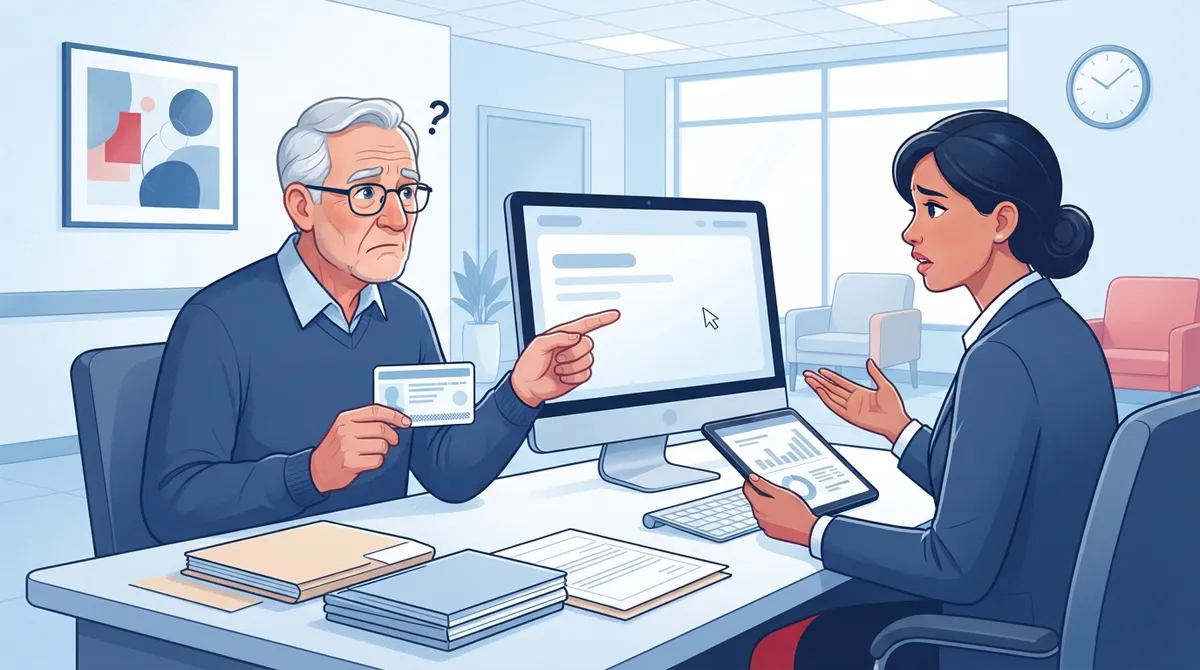
Mistake #1: Assuming Noridian Is Your Insurance Company
The biggest mistake patients make is thinking Noridian is their health plan. This confusion can lead to wasted phone calls and missed appointments.
Noridian does not set your benefits or approve your care. Your actual coverage depends on whether you have Original Medicare or a Medicare Advantage plan. If you have Medicare Advantage, your private insurance company handles your claims, not Noridian.
Why This Matters for Your Care
If you call Noridian asking about your specific benefits, they cannot help you the way your insurance company can. Noridian's role is to process claims and pay providers correctly for services already covered under Original Medicare rules.
According to CMS data, Noridian's Jurisdiction F region alone covers more than 3 million fee-for-service beneficiaries and works with over 95,000 physicians. That is a large number of patients relying on accurate claims processing every day.
The states covered under Noridian's Jurisdiction F include Alaska, Arizona, Idaho, Montana, North Dakota, Oregon, South Dakota, Utah, Washington, and Wyoming. Florida patients are not in this jurisdiction, but the same MAC system applies here through a different regional contractor. This is why it helps to ask your InCare providers directly about claims questions rather than guessing which contractor applies to you.
Mistake #2: Not Checking Eligibility Before Your Visit
Many patients skip checking their Medicare eligibility before a primary care appointment. This can lead to billing surprises later.
Noridian offers an online tool called the Noridian Medicare Portal. Providers use this system to confirm patient eligibility and check claim status. According to Noridian, eligibility access is designed to be available 24 hours a day, seven days a week. Other portal features depend on regular claims system hours.
Steps to Avoid Eligibility Problems
- Confirm your Medicare number is active before scheduling a visit
- Ask your primary care office to verify eligibility through their system
- Bring your Medicare card to every appointment
- Ask about coverage for specific services like cancer screenings or annual wellness visits
- Keep records of past claims in case questions come up later
Skipping these steps can delay care or create unexpected bills. A quick eligibility check takes only a few minutes but prevents much bigger headaches down the road.
Original Medicare vs. Medicare Advantage: Quick Comparison
|
Feature |
Original Medicare |
Medicare Advantage |
|---|---|---|
|
Claims processed by |
Medicare Administrative Contractor (like Noridian) |
Private insurance company |
|
Coverage rules |
Set by CMS nationally and regionally |
Set by the specific plan |
|
Provider network |
Any provider accepting Medicare |
Often limited to plan network |
|
Referrals needed |
Usually not required |
Often required for specialists |
This table shows why it matters to know which type of Medicare you have. Original Medicare claims go through a MAC like Noridian. Medicare Advantage claims follow different rules set by your private plan.
Mistake #3: Ignoring a Denied Claim Without Asking Why
Sometimes a Medicare claim gets denied. This does not always mean your care was not covered. It often means something in the paperwork needs correcting.
Coverage and payment depend on several factors. These include your eligibility, the specific service provided, proper documentation, correct medical coding, and current national or local coverage policies. A denial could result from a simple coding error rather than an actual coverage problem.
What to Do When a Claim Is Denied
Start by asking your primary care office to review the claim details. Many denials happen because of missing information or outdated codes. Your provider's billing team can often resubmit the claim with corrections.
Noridian publishes what are called Local Coverage Determinations, or LCDs. These documents explain specific rules about what services are covered in a given jurisdiction. If your claim was denied for a preventive service, diagnostic test, or piece of durable medical equipment, checking the current LCD can clarify why.
You can also ask your doctor's office to confirm your claim was submitted to the correct regional contractor. Since Noridian handles different jurisdictions for Part A, Part B, and durable medical equipment claims, an error here can cause processing delays.
How This Applies to Primary Care in Tampa and Riverview
Florida Medicare patients do not fall under Noridian's specific jurisdictions, but the same national system applies through a different regional MAC. The lessons still apply. Medicare Administrative Contractors process claims, not insurance benefits. Providers must be properly enrolled. Eligibility checks matter. Denied claims need review, not panic.
At InCare, we see many patients who need help understanding these Medicare basics. Our primary care team works with Medicare patients across Tampa and Riverview to make sure claims are submitted correctly and coverage questions get clear answers. We also offer cancer screenings, IV hydration therapy, and medical weight loss programs that many Medicare patients want to explore as part of whole-body wellness.
Why Medicare Enrollment Matters for Providers
Doctors and practices must enroll in Medicare before they can bill for covered services. This process usually happens through a system called PECOS, which stands for Provider Enrollment, Chain, and Ownership System. Providers need a National Provider Identifier and a specialty that qualifies for Medicare enrollment.
This enrollment step protects patients too. It means your provider has met federal requirements to bill Medicare correctly. When you choose a clinic like InCare, you can trust that our providers understand these enrollment and billing rules well.
Simple Tips for Managing Medicare Paperwork
Here are a few practical habits that help Medicare patients avoid confusion:
- Keep a folder with your Medicare card, plan documents, and past claim summaries
- Write down the date and details of every primary care visit
- Ask your provider's office which contractor processes claims in your area
- Review your Medicare Summary Notice every few months for errors
- Call your primary care office first with billing questions, since they can often solve issues faster than a general Medicare hotline
These small steps add up. They reduce stress and help you focus on your health instead of paperwork.
Trust a Primary Care Team That Understands Medicare
Medicare rules can feel complicated, but you do not have to figure them out alone. A knowledgeable primary care team can guide you through claims, coverage questions, and preventive care planning.
InCare has built a strong reputation for patient-centered care in Tampa and Riverview. With a 4.8 out of 5 rating on Google from hundreds of patients, our clinic is known for friendly staff and attentive physicians. You can visit us on Google — InCare to read what real patients say about their experience with our team.
We also share helpful updates and wellness tips on Facebook, Instagram, and TikTok, so you can stay informed between visits.
If you have questions about Medicare coverage, claims, or how to get started with a primary care provider who understands the system, our team is ready to help. Reach out to our care team today or schedule your appointment now to experience primary care that puts your health first.
FAQs
Q: What is Noridian Medicare, and is Noridian an insurance company?
A: Noridian Healthcare Solutions is a Medicare Administrative Contractor that processes Original Medicare claims under contract with CMS. It is not an insurance company and does not determine Medicare Advantage benefits.
Q: Which states and Medicare jurisdictions does Noridian serve?
A: Noridian handles Part A and Part B claims in Jurisdictions JE and JF, covering states like California, Nevada, Washington, and others in the western U.S. It also processes durable medical equipment claims in additional jurisdictions.
Q: Does Noridian process Medicare Advantage claims?
A: No. Noridian only processes Original Medicare fee-for-service claims. Medicare Advantage plans use their own private insurance systems and processes for claims and coverage decisions.
Q: What should a primary care office do when Noridian denies a Medicare claim?
A: The office should review the claim for coding or documentation errors, check the applicable Local Coverage Determination, and resubmit with corrections if needed. Many denials result from paperwork issues rather than actual coverage problems.
Q: How can a practice check the status of a Medicare claim processed by Noridian?
A: Providers typically use the Noridian Medicare Portal or approved self-service channels like HETS to check claim status and eligibility. These tools are generally more reliable than calling a phone representative for routine checks.


