

Key Takeaways
- Kaiser Permanente HMO members generally must use plan providers within a defined service area, and most plans require a PCP referral for specialists, so confirm access rules in your Evidence of Coverage before enrolling.
- Availability is limited to select states and specific ZIP codes; Kaiser does not operate in Florida, so Tampa and Riverview residents need a different primary care plan.
- HMO plans usually cost less than PPOs but restrict you to network doctors, so check whether your current physician participates before choosing a plan.
- Compare total yearly costs, including deductibles, copays, coinsurance, urgent visits, labs, and prescriptions, not just the monthly premium.
Choosing a health plan is one of the most important decisions you will make for your family. A Kaiser Permanente HMO is one of the best-known options in the country. It joins insurance coverage and medical care into one connected system. That setup can feel simple, but it also comes with rules you should understand before you enroll.
Kaiser Permanente reported 12.5 million members as of December 31, 2025. It also reported 40 hospitals and 610 medical offices. Those numbers show how large the system has grown. Still, size alone does not tell you whether a plan fits your health goals, your schedule, or your preferred doctor.
This guide covers 15 key facts about the Kaiser Permanente HMO. You will learn how primary care works, when referrals apply, where the plan is available, and what questions to ask. You will also see how a local primary care and wellness clinic like InCare can support your health journey. Always check your own plan documents, since details vary by region and product.

How a Kaiser Permanente HMO Works
A Kaiser Permanente HMO is a health plan that pairs coverage with care. Members generally receive routine care from plan providers in a defined service area. That structure is the core of how the model works.
1. Insurance and Care Delivery Are Combined
Kaiser Permanente joins health insurance with care delivery through an integrated system. This system includes health plans, physicians, hospitals, and medical offices. Because these pieces work together, records and referrals can move more easily inside the network.
2. Members Use Plan Providers in a Service Area
Most Kaiser Permanente HMO plans direct members to plan providers within a set service area. Exceptions exist for emergencies and some out-of-area care. The exact rules appear in your Evidence of Coverage, so read that document closely.
3. You Choose or Are Assigned a Primary Care Physician
Members typically select or are assigned a primary care physician, often called a PCP. The PCP supports prevention, routine visits, and ongoing condition management. This doctor also coordinates your care with specialists when needed.
4. Referral Rules Depend on Your Plan
Many Kaiser HMO plans require a PCP referral for specialty care. However, some services may allow direct access. Examples can include certain obstetrics-gynecology, optometry, or behavioral health visits. Rules vary by plan and region, so confirm before you book.
Where the Plan Is Available
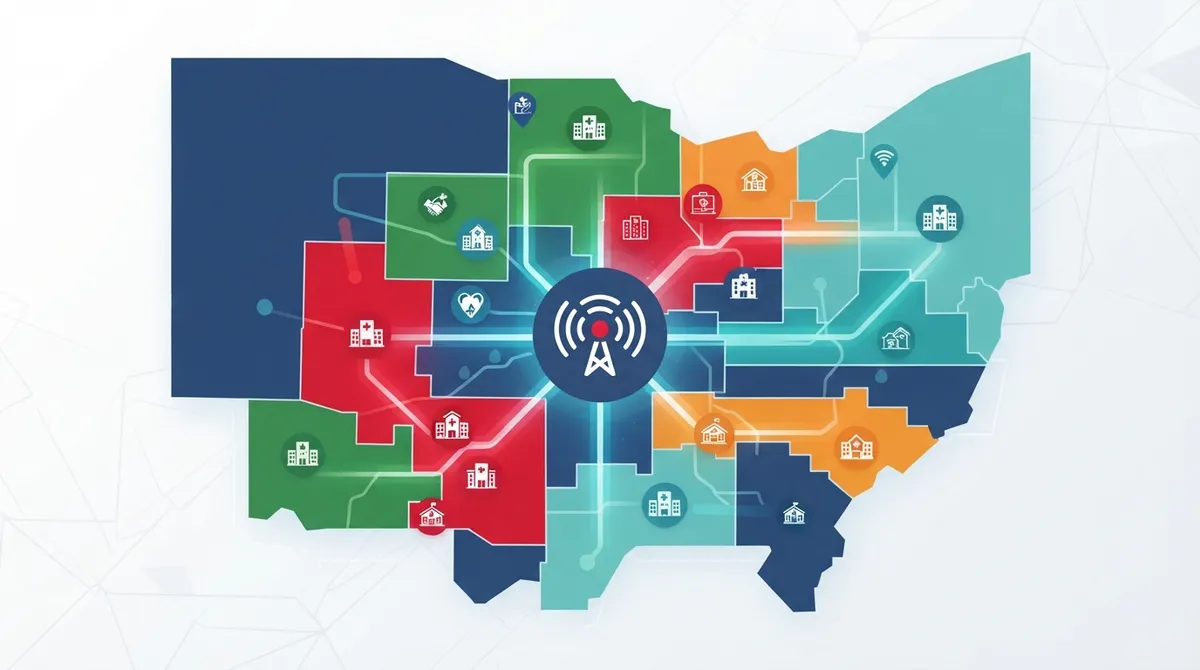
Availability is one of the biggest limits of an HMO model. You must live or work in an eligible area to enroll.
5. Kaiser Operates in Select States
Kaiser Permanente operates in parts of California, Colorado, Georgia, Hawaii, Maryland, Oregon, Virginia, and Washington. It also serves the District of Columbia. Florida is not on that list, which matters for readers in Tampa and Riverview.
6. ZIP Code Eligibility Varies
Even inside a served state, not every ZIP code qualifies. Eligibility can change by product and region. Verify your ZIP code before you enroll to avoid surprises.
7. Out-of-Area Coverage Is Limited
Emergency care and certain out-of-area services are usually exceptions. Routine care away from home often is not covered the same way. Review your plan terms before you travel or relocate.
Plan Features and Digital Tools
8. Digital Care Options Are Available
Kaiser materials describe several digital tools. These include online appointment scheduling, prescription refills, and access to many lab results. Members can also send secure messages and join video visits. Availability depends on the service and your plan.
9. Integrated Records May Improve Coordination
When your primary care team, labs, and specialists share one system, coordination can be smoother. Tests, prescriptions, and referrals can be tracked in one place. That can reduce repeated paperwork and missed handoffs.
10. Quality Reporting Is Published
Kaiser Permanente reported being the top performer on 71 NCQA effectiveness-of-care measures in 2025. Quality data like this can help you compare options. It should be one factor among many.
Quick Comparison: HMO Basics
|
Feature |
Typical Kaiser HMO Approach |
What to Verify |
|---|---|---|
|
Primary care doctor |
Selected or assigned PCP |
Can you change PCPs? |
|
Specialist access |
Often needs a PCP referral |
Which services allow direct access? |
|
Provider network |
Plan providers in service area |
Is your doctor in network? |
|
Emergency care |
Covered with exceptions |
Rules for travel and follow-up |
|
Digital tools |
Online scheduling, messaging, video |
Which tools your plan includes |
What to Check Before You Enroll
11. Read the Evidence of Coverage
The Evidence of Coverage is the official plan document. It explains what is covered, what you pay, and how referrals work. Do not rely on summaries alone.
12. Review Cost Sharing
Copays, deductibles, and coinsurance differ by plan. Compare the full yearly cost, not only the monthly premium. Ask about costs for urgent visits, labs, and prescriptions.
13. Ask About Provider Choice
An HMO limits your doctor choices to the network. If you value a long-term relationship with a current physician, confirm that doctor participates. If not, you may need to switch.
14. Understand HMO vs. PPO Differences
HMO plans usually cost less but limit you to network providers. PPO plans offer more freedom but often cost more. Think about how much flexibility you need.
15. Match the Plan to Your Wellness Goals
A plan may cover routine care well, yet your goals may go further. Many people want advanced wellness services like DNA testing, body composition scans, or personalized weight loss support. Coverage for these services can vary, so ask early.
How Local Primary Care Fits Into Your Decision
If you live in Tampa or Riverview, Florida, a Kaiser Permanente HMO is not currently available in your area. That makes a strong local primary care relationship even more valuable. InCare offers personalized care that blends medical expertise with modern technology. You can explore primary care at InCare for prevention-focused visits and ongoing condition management.
Many busy families and young professionals want fast access and clear communication. InCare also provides urgent care for common illnesses and injuries. Virtual appointments are available too, which suits tech-savvy patients who prefer flexible scheduling.
Prevention sits at the center of good health. InCare offers cancer screening, DNA gene testing, and body composition analysis. These tools help you understand your body in detail and act early. Those who want structured support can look at the weight loss program or IV hydration and vitamin drips.
Patients often tell us they value friendly staff and thoughtful care. You can read feedback and see what patients say by choosing to read InCare reviews on Google. If you want to learn more about the team, visit the providers page.
Tips for Choosing Any Primary Care Setup
Whether you stay with an HMO or choose independent care, use a simple checklist. These steps help you pick a practice that fits your life.
- List your health goals, such as prevention, weight management, or chronic care.
- Confirm which doctors and locations your plan allows.
- Ask how referrals and lab orders work.
- Check appointment access, including same-day and virtual visits.
- Review costs for visits, tests, and prescriptions.
- Look at patient reviews and ask about continuity of care.
Strong primary care also protects you over time. Coordinated care helps catch problems early and avoids gaps between providers. For more on this idea, read about how primary doctors help manage chronic illnesses. You can also follow InCare for health tips on Instagram, Facebook, and TikTok.
Conclusion
A Kaiser Permanente HMO offers an integrated model that links coverage and care. It can simplify coordination, but it also comes with network rules, referral requirements, and service area limits. Before you decide, read your Evidence of Coverage, confirm your ZIP code, and compare costs. Match the plan to your health goals, not only your budget.
If you live in the Tampa Bay area, personalized local care can give you flexibility and a trusted partner for prevention and wellness. Book your appointment with InCare today to start building a care plan that fits your life, or contact our team with any questions.
FAQs
Q: What is a Kaiser Permanente HMO and how does it work?
A: A Kaiser Permanente HMO combines health coverage with care delivered through an integrated network of physicians, hospitals, and medical offices. Members generally receive routine care from plan providers within their service area. A primary care physician usually coordinates your care.
Q: Do I need a referral to see a specialist with Kaiser Permanente?
A: Many Kaiser HMO plans require a referral from your primary care physician for specialty care. Some services, such as certain obstetrics-gynecology, optometry, or behavioral health visits, may allow direct access. Check your Evidence of Coverage for exact rules.
Q: Can I choose my own primary care doctor with Kaiser Permanente?
A: Members typically select or are assigned a primary care physician within the plan network. Your choices depend on your region and which doctors are accepting patients. Review the provider directory for current options.
Q: Can I use Kaiser Permanente outside my home service area?
A: Routine care is generally limited to your service area. Emergency care and certain out-of-area services are usually exceptions. Coverage details depend on your plan, so confirm terms before traveling.
Q: How do I find out whether Kaiser Permanente is available in my ZIP code?
A: Availability varies by product and region, even within states where Kaiser operates. Verify your ZIP code through official plan materials before you enroll. Kaiser does not currently list Florida among its service states.


