Key Takeaways
- KP-10 is not an official medical diagnosis; the condition is actually keratosis pilaris (KP), caused by excess keratin clogging hair follicles and creating small rough bumps on skin.
- Keratosis pilaris is extremely common, affecting 50-80% of adolescents and 40% of adults, with about 40% of cases running in families due to genetic predisposition.
- Start treatment with gentle skincare: lukewarm water, patting skin dry, immediate moisturizing, and fragrance-free cleansers; keratolytic ingredients like lactic acid or urea can help after basic care.
- Results require consistent use for several weeks with ongoing maintenance since there is no permanent cure; avoid common mistakes like hot showers, harsh scrubbing, and picking at bumps.
- See a doctor if bumps become painful, pus-filled, spread rapidly, show scarring/hair loss, or fail to improve after treatment, as these signs may indicate folliculitis, eczema, or acne instead.
- Most cases require only visual examination by a primary care provider for diagnosis; blood tests, imaging, or biopsies are rarely necessary unless bumps appear unusual or another condition is suspected.
If your skin feels rough like sandpaper on your arms or thighs, you may have searched online and found the term "KP-10 follicular hyperkeratosis." This phrase can sound confusing and even a little scary. But here is the good news: this bumpy skin condition is extremely common, harmless, and manageable with the right care. Below, we break down 15 clear facts to help you understand what is really going on with your skin, and when to see a primary care provider for help.
1. "KP-10" Is Not an Official Medical Diagnosis
Despite showing up in online searches, "KP-10 follicular hyperkeratosis" is not a recognized clinical diagnosis or standard severity score used by doctors. In real medical practice, the condition being described is almost always keratosis pilaris (KP), also called follicular keratosis. Understanding this helps you search for accurate, trustworthy information instead of confusing terminology.
2. Follicular Hyperkeratosis Simply Means Clogged Hair Follicles
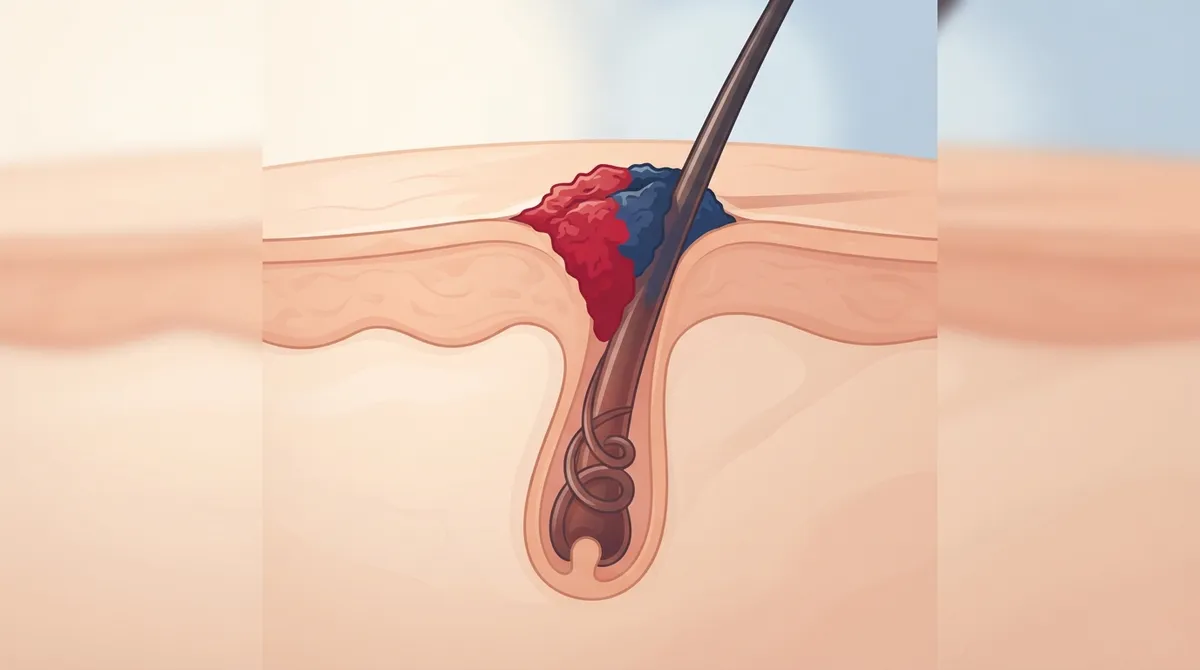
The medical term "follicular hyperkeratosis" describes what happens at the skin level. Your body makes too much keratin, a tough protein found in skin and hair. This excess keratin plugs the opening of hair follicles, creating small, rough bumps instead of smooth skin.
3. Keratosis Pilaris Is Extremely Common
You are far from alone if you have these bumps. Research shows keratosis pilaris affects roughly 50% to 80% of adolescents and about 40% of adults. It is considered one of the most common skin conditions seen in primary care and dermatology offices.
- Affects both children and adults
- Slightly more common in females
- Often runs in families
- Considered a normal skin variant, not a disease
4. Genetics Often Play a Role
About 40% of people with keratosis pilaris report a family history of the condition. If your parent or sibling has bumpy skin on their arms, you may be more likely to develop it too. This inherited tendency does not mean it is dangerous. It simply means your skin naturally produces keratin a bit differently.
5. Where the Bumps Typically Show Up
Follicular hyperkeratosis has a predictable pattern on the body. Knowing these common spots can help you identify it with confidence.
- Outer upper arms (most common)
- Front of the thighs
- Buttocks
- Cheeks or sides of the face (less common)
6. What the Bumps Actually Look Like
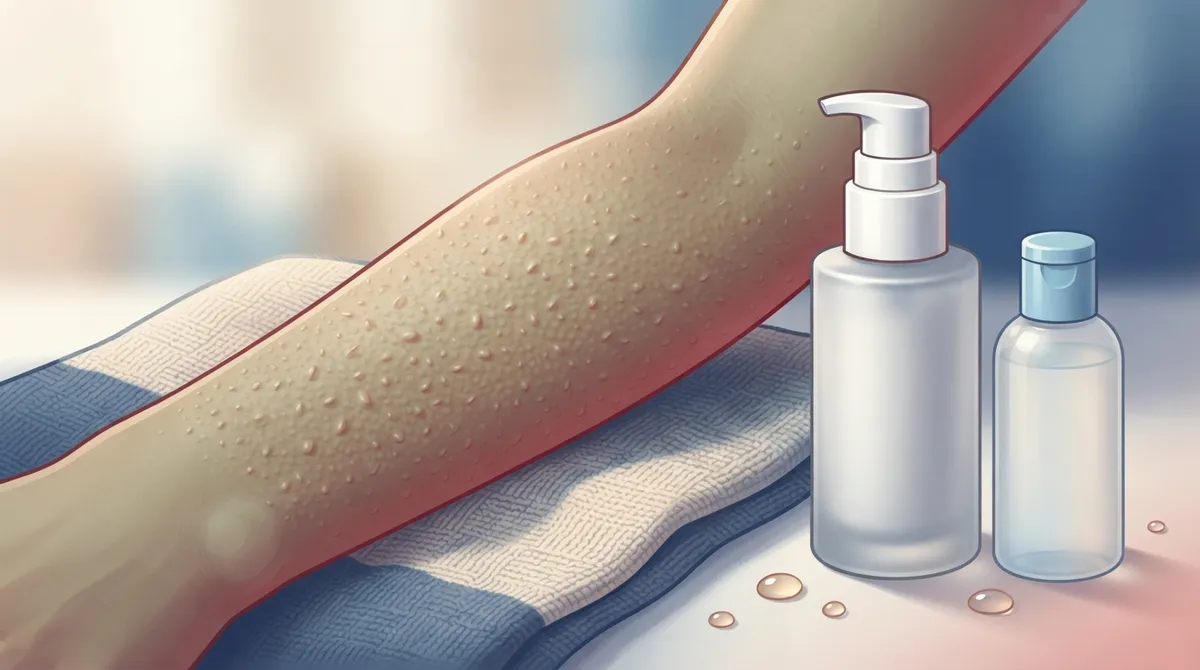
Individual bumps are usually small, measuring about 1 to 2 millimeters across. They can appear skin-colored, white, pink, or red, and often feel like tiny grains of sand or "goosebumps" that never go away. The skin around them may look dry or slightly rough overall.
7. It Often Starts in Childhood and Improves Later
Keratosis pilaris commonly begins in childhood or the early teen years. It may become more noticeable during puberty due to hormone changes. The encouraging part is that many people see gradual improvement as they move into adulthood, though some cases persist long-term.
8. Diagnosis Rarely Requires Tests
One of the most reassuring facts about this condition is how it is diagnosed. A primary care provider can typically confirm keratosis pilaris just by looking at your skin and discussing your history. Blood tests, imaging, or biopsies are rarely necessary unless the bumps look unusual or another condition is suspected.
If you have not had a skin concern like this evaluated before, a primary care visit is a great place to start. Our providers can confirm the diagnosis and rule out anything else going on.
9. First-Line Treatment Starts With Gentle Skin Care
Before jumping to stronger treatments, primary care providers usually recommend simple changes first. These basic steps can make a noticeable difference within a few weeks.
- Use lukewarm water instead of hot showers
- Pat skin dry instead of rubbing
- Apply moisturizer immediately after bathing
- Avoid harsh scrubbing or loofahs
- Choose fragrance-free, gentle cleansers
10. Keratolytic Ingredients Can Help Smooth Skin
When basic moisturizing is not enough, doctors often recommend products with specific active ingredients. These ingredients gently remove dead skin cells and unclog follicles over time.
|
Ingredient |
How It Works |
Best For |
|---|---|---|
|
Urea |
Softens and hydrates thick, rough skin |
Dry, sensitive skin types |
|
Lactic Acid / Ammonium Lactate |
Gently exfoliates and moisturizes |
Most adults with mild to moderate bumps |
|
Salicylic Acid |
Breaks down keratin plugs in follicles |
Thicker, more stubborn bumps |
|
Topical Retinoids |
Speeds up skin cell turnover |
Cases that do not respond to first-line care |
11. Results Take Time and Ongoing Maintenance
There is no quick fix for follicular hyperkeratosis. Most people need to use treatment consistently for several weeks before seeing real improvement. Even after your skin looks better, ongoing maintenance is usually needed to keep bumps from coming back, since there is no permanent cure.
12. Common Mistakes That Make Symptoms Worse
Certain habits can actually irritate the skin further and slow down progress. Avoid these common pitfalls:
- Scrubbing too hard with rough exfoliating tools
- Picking or squeezing the bumps
- Taking very hot, long showers
- Using harsh soaps that strip natural oils
- Applying strong acids without easing in slowly
13. Watch for Side Effects With Acid and Retinoid Products
Topical acids and retinoids are effective, but they can cause burning, peeling, or increased skin sensitivity if used incorrectly. It is best to introduce these products slowly and keep them away from your eyes and any broken skin. Acid-based products require extra caution in young children, and pregnant patients should always check with a provider before starting new treatments.
14. When to See a Doctor or Ask for a Referral
Most cases of keratosis pilaris are harmless and can be managed with home care and guidance from your primary care provider. However, certain signs mean it is time for a closer look:
- Bumps that are painful or filled with pus
- Sudden, rapid spreading of the rash
- Signs of scarring or hair loss in the area
- Severe redness or inflammation on the face
- Symptoms that do not improve after a full treatment trial
- Significant distress about the appearance of your skin
These signs could point to a different condition like folliculitis, eczema, or acne, which may need a different treatment approach. A thorough evaluation helps make sure you get the right diagnosis and care plan the first time.
15. Why Personalized Primary Care Makes a Difference
Skin concerns like follicular hyperkeratosis are a perfect example of why having a trusted primary care relationship matters. A provider who knows your health history can recommend the right combination of moisturizers, exfoliants, and lifestyle tweaks for your specific skin type. At InCare, our team in Tampa and Riverview takes a whole-body approach to wellness, looking beyond just the surface of your skin.
Our providers, including Dr. Pramjeet Ahluwalia, Dr. Naveen Paddu, and Dr. Teshy John, can evaluate stubborn skin bumps as part of a comprehensive visit. We also offer services like IV hydration and vitamin drips and DNA gene testing for patients who want a deeper look at their overall health and skin wellness. If you are curious about your family's genetic tendency toward certain skin conditions, this kind of testing can offer valuable insight.
How InCare Approaches Skin and Wellness Concerns
Every patient is different, which is why a one-size-fits-all skin routine rarely works long-term. Our primary care visits start with listening to your concerns and examining your skin closely. From there, we build a plan that fits your lifestyle, whether that means a simple moisturizing routine or a prescription-strength treatment.
We also understand that busy schedules make it hard to prioritize small health concerns like rough skin patches. That is why InCare offers convenient scheduling options across our Tampa and Riverview locations, plus virtual telemedicine visits for quick consultations. You can browse our full list of providers to find the right fit for your family's needs.
A Quick Comparison: Home Care vs. Professional Guidance
|
Approach |
Pros |
Limitations |
|---|---|---|
|
Over-the-counter moisturizers |
Easy access, low cost, gentle |
May not fully clear thicker bumps |
|
Drugstore exfoliating lotions |
Stronger keratolytic action |
Can irritate sensitive skin if overused |
|
Primary care evaluation |
Accurate diagnosis, personalized plan, prescription options |
Requires scheduling a visit |
Building Healthy Skin Habits for the Long Term
Since keratosis pilaris tends to be a long-term skin trait rather than a temporary rash, building sustainable habits matters more than chasing quick results. Consider these steps as part of your ongoing routine:
- Moisturize daily, even when skin looks clear
- Use a humidifier during dry winter months
- Stay hydrated to support overall skin health
- Wear loose, breathable fabrics to reduce friction
- Follow up with your provider if symptoms change
Many patients also find that following health and wellness accounts on social media helps them stay consistent with their skincare routines. You can follow InCare on Facebook, Instagram, and TikTok for wellness tips and clinic updates. For general background on skin health and dermatologic conditions, resources like the Merck Manual can also be a helpful reference between visits.
Take the Next Step Toward Smoother, Healthier Skin
Rough, bumpy skin does not have to be something you just live with. Whether you are dealing with mild follicular hyperkeratosis or want a full wellness checkup, our team at InCare is here to help. Patients across Tampa and Riverview trust us for our personalized approach and friendly staff, reflected in our 4.8-star rating on Google.
Ready to get answers about your skin and overall health? Book your appointment today and let our providers create a treatment plan built around you. If you have questions first, feel free to reach out to our team directly.
FAQs
Q: What does KP-10 follicular hyperkeratosis mean?
A: This term is not a standard medical diagnosis. It most likely refers to keratosis pilaris, a common condition where excess keratin plugs hair follicles, creating small rough bumps on the skin.
Q: Is KP-10 another name for keratosis pilaris?
A: There is no official clinical classification called KP-10. Keratosis pilaris, also known as follicular keratosis, is the accepted medical term for this bumpy skin condition.
Q: What causes follicular hyperkeratosis?
A: It happens when the skin produces too much keratin, which plugs the opening of hair follicles. Genetics play a strong role, and about 40% of patients report a family history of the condition.
Q: How long does it take for treatment to improve keratosis pilaris?
A: Ingredients like urea, lactic acid, and salicylic acid typically require several weeks of consistent use before visible improvement. Ongoing maintenance is usually needed since there is no permanent cure.
Q: When should I see a doctor about follicular hyperkeratosis?
A: See a primary care provider if bumps become painful, pus-filled, or rapidly spread, or if you notice scarring, hair loss, or no improvement after a full treatment trial. These signs may point to a different skin condition needing evaluation.