
Key Takeaways
- Confirm insurance acceptance and new patient availability by calling ahead before booking, as coverage varies widely between South Tampa practices and not all clinics are currently accepting new patients.
- Choose between family medicine doctors (treat all ages) and internal medicine doctors (focus on adults with chronic conditions) based on whether you need multi-generational care or specialized adult health management.
- Look for practices offering preventive services like annual physicals, immunizations, cancer screenings, and chronic disease management systems rather than just treating symptoms.
- Evaluate appointment flexibility by asking about same-day visits, telehealth options, and evening/weekend hours to match your busy schedule and reduce unnecessary ER trips.
- Review provider credentials and communication style through patient reviews, meet-and-greet consultations, and practice websites to ensure the doctor's approach aligns with your health goals.
- Consider advanced wellness services like DNA testing, body composition analysis, and structured weight loss programs if you want proactive health optimization beyond standard checkups.
Finding a primary care doctor in South Tampa can feel overwhelming. Between busy schedules, insurance questions, and dozens of clinic options, many people put off this important decision for months or even years. Yet a trusted primary care doctor is one of the most valuable relationships you can build for your long-term health.
Whether you are a young professional who wants quick virtual visits, a parent juggling family checkups, or someone ready to explore advanced wellness testing, South Tampa has options worth understanding. This guide breaks down 14 practical steps to help you find a primary care doctor who fits your needs, your insurance, and your lifestyle. Along the way, we will cover what services to expect, common questions patients ask, and how to know when a clinic is truly the right fit.

1. Understand What a Primary Care Doctor Actually Does
A primary care doctor is your first stop for most health concerns. This includes annual checkups, treatment for colds and infections, and long-term management of conditions like diabetes or high blood pressure. Depending on the practice, your primary care provider may be a family medicine physician, an internal medicine doctor, or another licensed clinician.
Good primary care goes beyond treating symptoms. It focuses on prevention, catching problems early, and building a health plan tailored to you. If you want to learn more about what this type of care includes, this guide on what comprehensive primary care actually covers breaks it down clearly.
2. Know the Different Types of South Tampa Practices
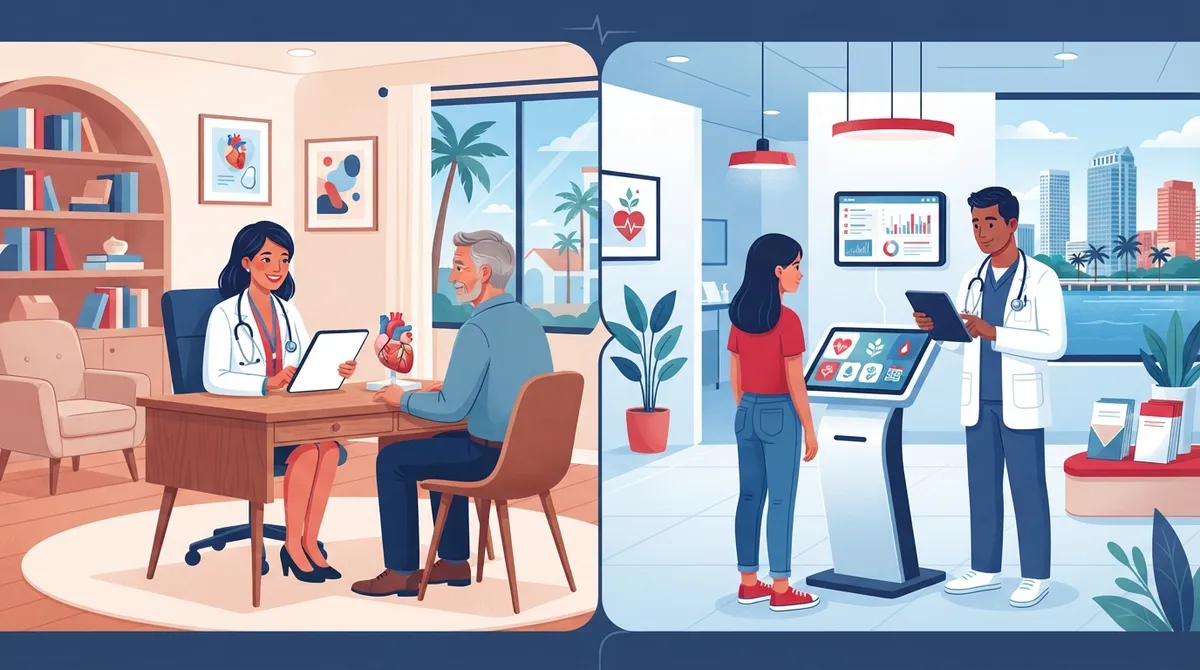
South Tampa offers several models of primary care. Some clinics are part of large health systems, while others operate as independent multi-specialty practices. A few focus mainly on older adults and Medicare patients.
Local practice listings show a range of setups. Health-system offices tend to offer standard business hours and a broad patient base. Independent clinics may offer more flexibility, same-day visits, or a wider menu of wellness services. Knowing which model fits your needs will narrow your search quickly.
3. Decide Between Family Medicine and Internal Medicine
This is one of the most common questions people ask when choosing a doctor. Family medicine physicians treat patients of all ages, from children to seniors. Internal medicine doctors focus specifically on adults, often with more training in managing multiple chronic conditions.
If you have a family with kids and adults needing care, a family medicine doctor may simplify things. If you are an adult managing several health issues, an internal medicine physician might be a better match. You can read more in this comparison of how to find the right internal medicine doctor for you.
4. Check Insurance Acceptance Before You Book
Insurance coverage varies widely between South Tampa practices. Some clinics accept most major insurance plans and Medicare, while others have more limited networks. Always call ahead or check the practice website to confirm your plan is accepted.
If you have Medicare, ask specifically whether the clinic accepts your plan type, since Medicare Advantage and traditional Medicare are not always treated the same. This step alone can save you from unexpected bills.
5. Confirm the Practice Is Accepting New Patients
Not every clinic has room for new patients at all times. Some South Tampa offices list open enrollment for adults 18 and older, while others may have waitlists during busy seasons. Calling ahead to confirm availability saves time and frustration.
If you are struggling to find open slots, this resource on how to find doctors accepting new patients near you offers helpful tips for speeding up the process.
6. Review Office Hours and Appointment Options
Busy families and working professionals need flexible scheduling. Many South Tampa clinics offer weekday hours, but fewer provide evening or weekend availability. Some offer same-day appointments for urgent, non-emergency needs.
If you value convenience, ask whether the practice offers same-day appointments for fast primary care when illness strikes unexpectedly. This can prevent unnecessary trips to the emergency room.
7. Ask About Telehealth and Virtual Visit Options
Tech-savvy patients increasingly want virtual care for simple concerns. Many South Tampa practices now offer telehealth for follow-ups, prescription refills, and minor illness checks. This saves time and reduces waiting room exposure to other sick patients.
Virtual visits work well for medication management, lab result reviews, and general health questions. If this matters to you, ask directly whether telehealth is part of the practice's regular offerings.
8. Look for a Full Range of Preventive Services
A strong primary care practice should offer more than basic checkups. Look for annual physicals, immunizations, and screenings for common conditions like diabetes, high cholesterol, and hypertension. Preventive care catches problems before they become serious.
To understand what a thorough visit should include, review this breakdown of what happens during an annual wellness visit. Knowing what to expect helps you evaluate whether a clinic meets your standards.
9. Consider Practices Offering Cancer Screenings
Early detection saves lives. Many South Tampa primary care offices now offer or refer patients for cancer screenings as part of routine preventive care. This is especially important for women without an established OB/GYN relationship who need broader wellness checks.
InCare offers dedicated cancer screening services as part of its whole-body approach to prevention. Asking your prospective doctor about screening schedules for your age and risk factors is a smart step during your search.
10. Evaluate Chronic Disease Management Support
If you already manage diabetes, high blood pressure, or another ongoing condition, your primary care doctor needs strong experience in this area. Ask how the practice tracks your progress, adjusts medications, and coordinates with specialists when needed.
This resource on how primary doctors help manage chronic illnesses explains what good long-term management should look like. A well-run practice will have clear systems in place, not just occasional check-ins.
11. Ask About Advanced Wellness and Testing Services
Some patients want more than standard checkups. High-income wellness seekers and health-focused millennials often look for clinics offering DNA gene testing, body composition analysis, or metabolic breath testing. These tools give a deeper look at your health beyond a basic blood panel.
InCare provides several advanced options, including DNA gene testing and body composition analysis, for patients who want a more complete picture of their health. If whole-body optimization matters to you, ask whether your prospective clinic offers similar services.
12. Check for Weight Loss and Wellness Program Support
Busy families and adults managing weight-related health concerns often benefit from medically supervised programs. Look for a primary care practice that offers structured weight loss support rather than generic diet advice.
A dedicated weight loss program paired with primary care creates more consistent results. Ask how the practice monitors progress and adjusts plans over time, since sustainable weight management requires ongoing support, not a one-time consultation.
13. Read Reviews and Ask About Communication Style
Patient reviews reveal a lot about a practice's culture. Look for comments about wait times, staff friendliness, and how well doctors listen to concerns. A high rating with detailed, specific reviews is often more trustworthy than a handful of generic five-star ratings.
You can also Visit us on Google — InCare to see what real patients say about their experiences. Following a practice's social channels, such as Facebook or Instagram, can also give you a sense of their approach to patient education and community engagement.
14. Meet the Providers Before Committing
Many practices allow a meet-and-greet or initial consultation before you commit to ongoing care. This is your chance to ask questions about credentials, treatment philosophy, and how the office handles urgent concerns.
InCare's team includes experienced providers such as Naveen Paddu MD, Pramjeet Ahluwalia MD, and Teshy John MD. Reviewing provider backgrounds ahead of time, available on the providers page, helps you choose someone whose approach matches your health goals.
What to Bring to Your First Appointment
Preparation makes your first visit more productive. Consider bringing the following:
- A list of current medications and supplements
- Your insurance card and photo identification
- Recent lab results or medical records, if available
- A list of questions or health concerns you want to discuss
- Family health history notes, especially for chronic conditions
Arriving prepared helps your new doctor build an accurate picture of your health from day one.
Comparing South Tampa Primary Care Options
The table below summarizes common features to compare when evaluating primary care practices in South Tampa.
|
Feature |
What to Check |
Why It Matters |
|---|---|---|
|
Insurance Accepted |
Call to confirm your specific plan |
Avoids unexpected bills |
|
New Patient Status |
Ask if the practice is currently accepting patients |
Prevents wasted time on closed practices |
|
Appointment Types |
Same-day, telehealth, in-person |
Matches your lifestyle and urgency needs |
|
Preventive Services |
Physicals, immunizations, screenings |
Supports long-term health and early detection |
|
Wellness Extras |
DNA testing, body composition, IV therapy |
Useful for proactive health optimization |
|
Chronic Care Support |
Diabetes, hypertension, cholesterol management |
Essential for ongoing health conditions |
Steps to Take After You Choose a Doctor
- Schedule your first appointment as soon as possible, even if you feel healthy.
- Complete any new patient paperwork online in advance to save time.
- Prepare your medical history and current medication list.
- Ask about a follow-up schedule for ongoing preventive care.
- Set reminders for annual physicals and recommended screenings.
Following these steps helps establish a strong foundation for your ongoing care relationship.
Why Comprehensive Care Matters More Than Ever
Fragmented care, where patients see multiple unconnected providers without coordination, can lead to missed diagnoses and repeated tests. A single trusted primary care doctor who understands your full health history reduces these risks significantly. According to the Centers for Disease Control and Prevention, chronic diseases account for the majority of healthcare costs in the United States, making consistent primary care essential for prevention and management.
InCare's approach combines primary care, urgent care, and advanced wellness services under one roof. This means your doctor can order lab work, discuss weight management, and coordinate cancer screenings without sending you elsewhere for basic services. For South Tampa residents who value convenience and continuity, this model often makes the most sense.
You can also follow ongoing health tips and clinic updates on TikTok to stay informed about new services and wellness trends relevant to Tampa Bay patients.
Making Your Final Decision
Choosing a primary care doctor in South Tampa does not need to be complicated once you know what to look for. Focus on insurance compatibility, appointment flexibility, and whether the practice offers the specific services your household needs, from pediatric care to advanced wellness testing.
InCare's Tampa and Riverview locations combine primary care, urgent care, and preventive wellness services designed around real patient needs. If you are ready to establish care with a team that prioritizes prevention and whole-body health, reach out to our team today or schedule your appointment online now to get started on a healthier path forward.
FAQs
Q: How do I find a primary care doctor in South Tampa who is accepting new patients?
A: Call practices directly or check their websites for new patient status, since availability changes often. Many South Tampa clinics list age ranges and enrollment status online, but confirming by phone ensures accuracy before you commit to scheduling a visit.
Q: What is the difference between a family medicine doctor and an internal medicine doctor?
A: Family medicine doctors treat patients of all ages, including children, making them ideal for households with kids and adults. Internal medicine doctors focus exclusively on adult care, often with deeper training in managing multiple chronic conditions at once.
Q: Which South Tampa primary care doctors accept Medicare?
A: Medicare acceptance varies by practice and by plan type, so it is important to confirm directly with each clinic. Ask specifically whether they accept your Medicare Advantage plan or traditional Medicare, since networks can differ significantly.
Q: Can a South Tampa primary care doctor help manage diabetes or high blood pressure?
A: Yes, most primary care practices provide ongoing management for chronic conditions like diabetes, hypertension, and high cholesterol. This typically includes regular monitoring, medication adjustments, and lifestyle guidance tailored to your specific health needs.
Q: What should I bring to my first appointment with a new primary care doctor?
A: Bring your insurance card, photo ID, a list of current medications, and any recent lab results or medical records. Preparing a list of questions and family health history also helps your doctor build an accurate picture of your overall health from the start.