Key Takeaways
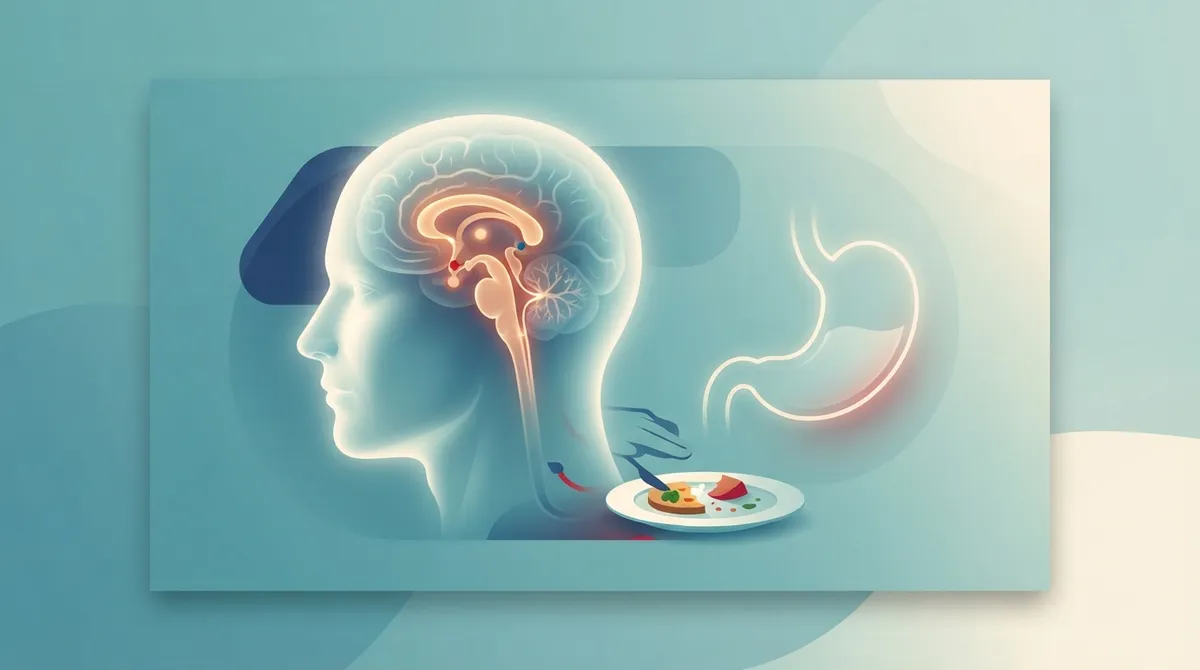
- GLP-1 medicines mainly reduce weight by acting on brain appetite pathways, so people feel fuller, less hungry, and eat fewer calories, rather than burning fat directly.
- Slowed stomach emptying may add to early fullness, but this effect often fades, so reduced appetite and calorie intake drive most sustained weight loss.
- Trial averages are not personal predictions: in STEP 1, semaglutide averaged -14.9% at 68 weeks versus -2.4% on placebo, and individual results varied widely.
- Common side effects are digestive (nausea, diarrhea, constipation), and reporting them early plus gradual dose increases can improve tolerability; never start, stop, or change treatment without a clinician.
Many people hear that GLP-1 medicines help with weight loss, but few understand why. That gap leads to unrealistic hopes, skipped follow-up visits, and frustration. If you are asking how does GLP-1 cause weight loss, the short answer is this: these medicines act on appetite pathways in the brain, so many people feel fuller, feel less hungry, and eat fewer calories. They may also slow stomach emptying early in treatment. The medicine is a tool, not a shortcut.
In 2026, interest in these prescriptions is higher than ever. Busy professionals, young families, and wellness-minded adults all want clear answers. This article walks through 14 common mistakes that cloud the picture. You will learn what the science says, what the major trials found, and how primary care supports safe, lasting results. Each mistake is paired with a simple correction you can use in a conversation with your clinician.
First, What Is GLP-1 and What Does It Do?
GLP-1 stands for glucagon-like peptide-1. It is an incretin hormone. Your gut releases it after you eat. It helps regulate blood sugar and plays a role in appetite signals. GLP-1 receptor agonist medicines activate the same receptor. Semaglutide is one example. For a plain-language primer, see What Is GLP-1? How It Works and Who It Helps in 2026.
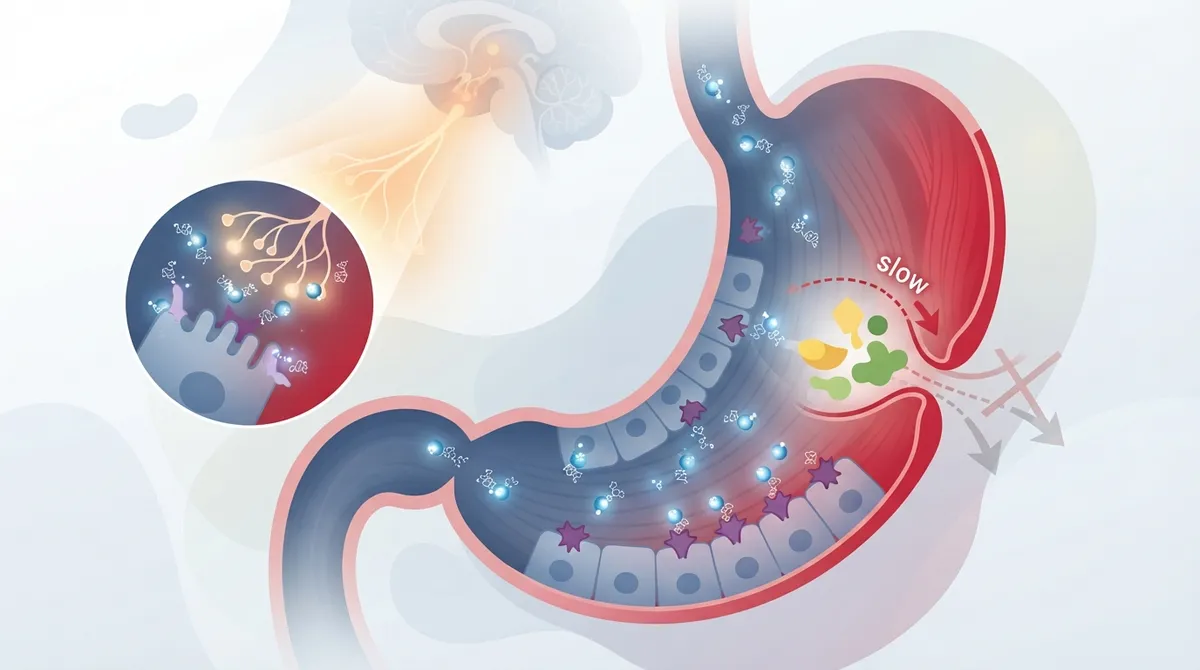
The key point is simple. These medicines mimic and amplify a natural signal. They do not melt fat directly. They change how hungry you feel and how much you eat. That shift is what drives most of the weight change.

The 14 Mistakes About How GLP-1 Causes Weight Loss
Mistake 1: Believing the Medicine Burns Fat Directly
Weight loss is driven mainly by lower calorie intake. GLP-1 receptor signaling acts on brain pathways tied to appetite. Many people feel fuller sooner and think about food less. Fat loss follows because the body takes in less energy than it uses.
Mistake 2: Thinking It Works Only by Slowing Digestion
These medicines can slow stomach emptying, especially early in treatment. This may prolong fullness. But the effect can fade over time. It is not the only reason for sustained weight loss. Appetite changes in the brain play the larger role.
Mistake 3: Assuming Every GLP-1 Drug Is the Same
Semaglutide activates the GLP-1 receptor. Tirzepatide activates both the GIP and GLP-1 receptors. So tirzepatide results should not be described as results from a GLP-1-only medicine. To learn more about the dual action, read 9 Ways Tirzepatide Works Inside Your Body (2026).
Mistake 4: Expecting the Same Results as a Trial Average
Trial averages are not personal predictions. In the STEP 1 trial, adults with overweight or obesity and no diabetes took semaglutide with lifestyle support. At 68 weeks, average weight change was -14.9% versus -2.4% with placebo. Individual results varied widely. Your outcome depends on your health, habits, and dose tolerance.
Mistake 5: Comparing Trials Head to Head
The two major trials used different drugs, durations, and participants. SURMOUNT-1 tested tirzepatide for 72 weeks. Average weight change was -15.0% at 5 mg, -19.5% at 10 mg, and -20.9% at 15 mg, versus -3.1% with placebo. These numbers are not a direct match-up. For a careful side-by-side discussion, see 6 Facts on Tirzepatide vs Semaglutide Weight Loss.
|
Trial |
Medicine |
Duration |
Average Weight Change |
Placebo |
|---|---|---|---|---|
|
STEP 1 |
Semaglutide 2.4 mg |
68 weeks |
-14.9% |
-2.4% |
|
SURMOUNT-1 |
Tirzepatide 5 mg |
72 weeks |
-15.0% |
-3.1% |
|
SURMOUNT-1 |
Tirzepatide 10 mg |
72 weeks |
-19.5% |
-3.1% |
|
SURMOUNT-1 |
Tirzepatide 15 mg |
72 weeks |
-20.9% |
-3.1% |
Mistake 6: Ignoring the Percentage Who Lose at Least 5%
Average loss is only part of the story. In STEP 1, 86.4% of semaglutide participants lost at least 5% of body weight, versus 31.5% on placebo. In SURMOUNT-1, at least 5% loss occurred in 85%, 89%, and 91% of participants on tirzepatide 5 mg, 10 mg, and 15 mg, versus 35% on placebo. A 5% loss is clinically meaningful for many people.
Mistake 7: Skipping the Clinician Visit
These are prescription medicines. A clinician checks eligibility, medical history, other medicines, and risks. Product-specific prescribing information guides screening and counseling. Never start, stop, or change treatment on your own. A primary care visit is where that safe plan begins.
Mistake 8: Starting at a High Dose
Doses are generally raised gradually. This helps tolerability. Jumping ahead can worsen side effects. Ask your clinician about the schedule and what to do if a step feels too hard. Our guide on How to Increase Your Tirzepatide Dose Safely in 2026 covers the idea of careful steps.
Mistake 9: Dismissing Side Effects as Rare
Common side effects are mostly gastrointestinal. They include nausea, diarrhea, vomiting, constipation, and abdominal discomfort. Report them early. Your clinician may adjust the plan. Smaller meals and slower eating can help many people feel better.
|
Side Effect |
What It Feels Like |
Why It Matters |
|---|---|---|
|
Nausea |
Queasiness, often after meals |
May ease as the body adjusts |
|
Diarrhea or constipation |
Changes in bowel habits |
Hydration and fiber need attention |
|
Vomiting |
Less common but disruptive |
Call your clinician if it persists |
|
Abdominal discomfort |
Bloating or cramping |
Meal size and timing may help |
Mistake 10: Treating Medication as a Substitute for Lifestyle
In both major trials, participants also received lifestyle intervention. Nutrition, movement, sleep, and follow-up still matter. Protein intake and strength training help protect muscle during weight loss. Medication works best as one part of ongoing care. Learn how a team approach helps in 14 Ways a Primary Care Doctor Aids Weight Loss (2026).
Mistake 11: Expecting Instant Results
Weight change builds over weeks and months. The trials ran for well over a year. Early on, you may notice appetite changes before the scale moves much. Patience and steady habits matter. See Tirzepatide Weight Loss Timeline: What to Expect by Week for a sense of pacing.
Mistake 12: Assuming Weight Stays Off After Stopping
Obesity is a chronic condition. When treatment stops, appetite signals can return. Many people regain some weight. Talk with your clinician before any change. A plan for maintenance should be made early. Our article Why Does Weight Return After Stopping Tirzepatide? explains the reasons.
Mistake 13: Overlooking Your Other Medicines and Conditions
Your history shapes safety. A clinician reviews your conditions, current prescriptions, and risk factors. Some people should not take these medicines. Only a licensed provider can decide. Good medication tracking also helps, as shown in 11 Prescription Management Tips for Better Health in 2026.
Mistake 14: Using Unverified Sources for Treatment
Not every product marketed for weight loss is the same as an approved, studied medicine. Work with a licensed clinic that follows prescribing information and monitors you. A medically guided path protects your safety and your results.
How Primary Care Puts It All Together
A strong weight care plan has several parts. It starts with a full health review. It continues with a clear dosing plan, regular check-ins, and lifestyle support. In primary care, GLP-1 therapy is one piece of individualized, ongoing obesity care.
- Assessment: Your clinician reviews history, labs, and goals.
- Eligibility check: Risks, other medicines, and warnings are screened.
- Gradual dosing: Doses rise slowly to improve tolerability.
- Lifestyle support: Nutrition, activity, and sleep guidance run alongside treatment.
- Follow-up: Response and side effects are reviewed on a regular schedule.
At InCare, patients in Tampa and Riverview get this kind of coordinated care. The clinic pairs primary care with weight loss programs, body composition analysis, and metabolic breath analysis. That mix helps your team see what is working. If you are comparing options, 11 Reasons Medical Weight Loss Clinics Work Better in 2026 offers helpful context. You can also see what patients say when you visit us on Google — InCare.
Who Should Talk to a Clinician First?
Different readers come to this topic for different reasons. A busy parent may want a plan that fits a packed schedule. A tech-savvy professional may want data to track progress. A wellness seeker may want whole-body optimization. All of them need the same first step: a personal medical review.
- Adults with overweight or obesity who have not reached goals with lifestyle changes alone
- People with weight-related health conditions
- Anyone taking other prescription medicines
- Anyone who has had weight regain after past attempts
Eligibility is a clinical decision. Your provider weighs benefits and risks for you specifically. You can also follow InCare updates on Instagram, Facebook, and TikTok for wellness education.
Key Takeaways
- GLP-1 medicines mainly reduce appetite and calorie intake through brain pathways.
- Slowed stomach emptying may add to early fullness but is not the whole story.
- Semaglutide and tirzepatide are different drugs with different targets.
- Trial averages are not personal predictions.
- Side effects are mostly digestive and often managed with gradual dosing.
- Lifestyle, monitoring, and long-term planning remain essential.
Conclusion
Understanding how GLP-1 causes weight loss helps you set honest expectations and avoid costly missteps. The medicine works largely by quieting hunger and helping you eat less. It works best with nutrition, movement, sleep, and steady medical follow-up. The best results come from a clinician who knows your full health picture.
InCare offers personalized primary care and weight loss support in Tampa and Riverview. Ready to talk through your options? Book your visit now or contact our team with questions.
FAQs
Q: How do GLP-1 medications reduce appetite and food intake?
A: GLP-1 receptor agonists act on appetite-regulating pathways in the brain. Many people feel fuller, feel less hungry, and have fewer food cravings, which leads them to eat fewer calories. Results and side effects vary from person to person.
Q: Do GLP-1 medications cause weight loss by slowing digestion?
A: They can slow stomach emptying, especially early in treatment, which may prolong fullness. However, this effect can lessen over time and does not fully explain sustained weight loss. Reduced appetite and calorie intake are the main drivers.
Q: How much weight can someone lose with semaglutide or tirzepatide?
A: In STEP 1, average weight change with semaglutide was -14.9% at 68 weeks versus -2.4% with placebo. In SURMOUNT-1, tirzepatide produced average changes of -15.0% to -20.9% at 72 weeks versus -3.1% with placebo. These are trial averages, and individual results vary.
Q: What are the common side effects of GLP-1 weight-loss medications?
A: Common side effects are gastrointestinal, including nausea, diarrhea, vomiting, constipation, and abdominal discomfort. Dosing is usually increased gradually to improve tolerability. Patients should never start, stop, or change treatment without their clinician.
Q: What happens to weight after stopping a GLP-1 medication?
A: Because obesity is a chronic condition, appetite signals can return after treatment ends, and many people regain some weight. A maintenance plan built with your clinician, including nutrition, activity, and follow-up, helps support lasting results.