Key Takeaways
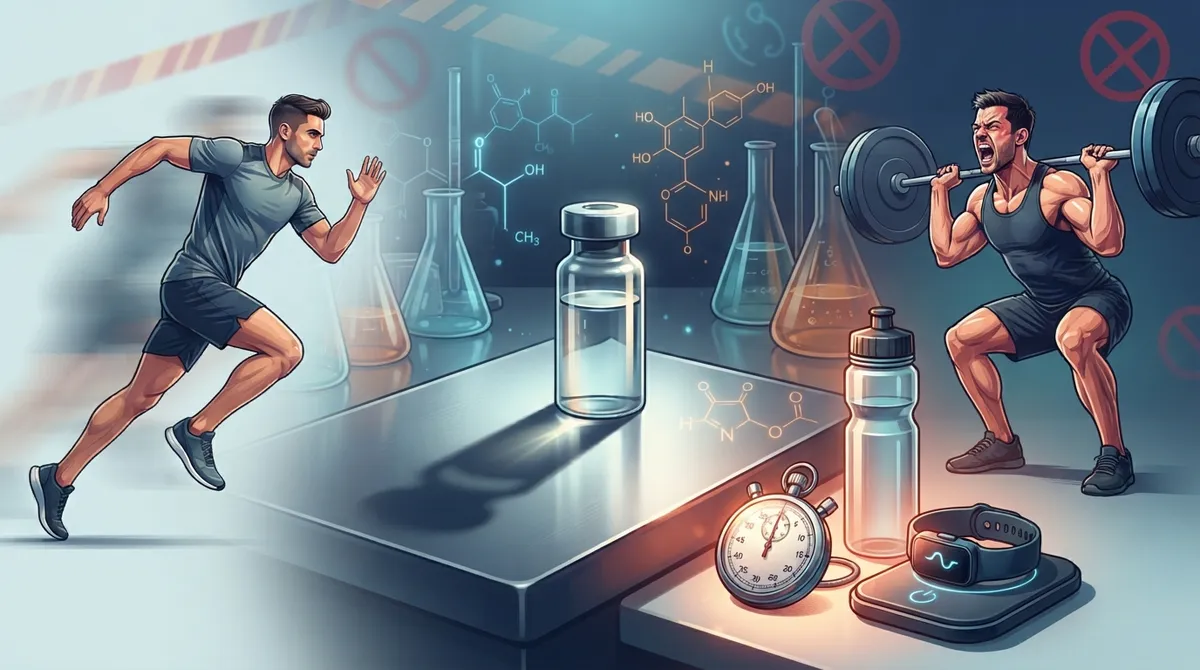
- Ipamorelin lacks solid clinical evidence for athletic performance in healthy people—current research shows no proven benefits for strength, muscle building, or recovery despite marketing claims.
- Ipamorelin is banned by WADA and not FDA-approved for any athletic use; competitive athletes face career-ending consequences from positive drug tests if they use it.
- Compounded ipamorelin products lack FDA oversight, standardization, and purity verification, creating contamination and dosing risks that medical supervision alone cannot eliminate.
- Better-established alternatives like structured sleep protocols, personalized nutrition, IV hydration therapy, and body composition monitoring provide more evidence-based performance and recovery benefits.
Athletes are always looking for an edge. Ads for growth-hormone peptides like ipamorelin promise faster recovery, bigger muscles, and better performance. But do these claims hold up? Before you consider ipamorelin for athletic goals, you need real facts, not marketing hype. This guide breaks down what the science actually shows, what rules apply if you compete, and why a conversation with a primary care provider matters more than a product label.
At InCare, our Tampa and Riverview teams help patients sort fact from fiction on trending wellness topics. Whether you are a weekend runner or a competitive athlete, here are 14 things you should know about ipamorelin before you make any decisions about your health.

1. Ipamorelin Is Not the Same as Growth Hormone
Ipamorelin is a synthetic peptide known as a growth-hormone secretagogue. It works by activating a receptor called GHSR-1a, sometimes called the ghrelin receptor. This action signals your body to release its own growth hormone. That is different from injecting growth hormone directly. Understanding this distinction matters because the two approaches carry different risks and different levels of research support.
2. There Is No Solid Proof It Boosts Athletic Performance
This is the most important fact for any athlete to understand. Current human research has not shown that ipamorelin improves strength, builds muscle, or speeds up recovery in healthy people. Most studies involving ipamorelin have focused on early-phase safety testing or its use for postoperative bowel issues, not sports performance. If you see performance claims, they are not backed by strong clinical trials.
3. The FDA Has Not Approved Ipamorelin for Any of These Uses
Ipamorelin is not approved by the FDA for athletic performance, muscle recovery, growth-hormone deficiency, or postoperative ileus. FDA materials specifically state that the evidence does not support these proposed uses, especially when the drug is given as a subcutaneous injection. This is a critical point for anyone considering it as a training aid.
4. A 2024 FDA Review Raised Serious Concerns
In October 2024, the FDA's Pharmacy Compounding Advisory Committee reviewed ipamorelin closely. The committee found limited evidence of effectiveness and not enough safety data, including a lack of information on subcutaneous safety. Based on this, the committee recommended against adding ipamorelin-related substances to the approved list for compounding pharmacies. This was a recommendation, not a final ban, but it signals real caution from federal regulators.
5. Compounded Ipamorelin Is Not the Same as an FDA-Approved Drug
Many wellness clinics and online sellers offer compounded ipamorelin. These products are not FDA-approved medications. The FDA has raised specific concerns about the quality and safety evidence behind compounded versions. Products sold as "research chemicals" online may have unclear purity, unknown concentration, or contamination risks. You cannot verify what you are actually getting.
6. Ipamorelin Is Banned by WADA
If you are a competitive athlete subject to anti-doping testing, this fact is non-negotiable. The World Anti-Doping Agency classifies ipamorelin under its prohibited category for growth-hormone secretagogues and mimetics. The 2026 WADA Prohibited List took effect on January 1, 2026, and it continues to ban this class of substances. A positive test could end a season or a career.
7. Short-Term Studies Do Not Prove Long-Term Safety
Some early-phase studies show that ipamorelin does trigger a growth-hormone response, with hormone levels peaking around 40 to 60 minutes after a dose. But this is simply a pharmacologic reaction, not proof of a training benefit. Short trials cannot tell us what happens after months or years of use. Long-term risks remain poorly understood, especially with unsupervised or compounded use.
8. Potential Side Effects Are Linked to Growth Hormone Activity
Because ipamorelin raises growth hormone and IGF-1 signaling, it may affect how your body manages blood sugar. Some patients report fluid retention. Since research is limited, the full range and severity of side effects are not well documented. This uncertainty is exactly why unsupervised use is risky, no matter how it's marketed.
9. Medical Supervision Does Not Make It Proven or Risk-Free
Some clinics offer ipamorelin under a doctor's care. While medical oversight can reduce certain risks, it does not turn an unapproved use into a proven treatment. A supervised injection is still an unapproved therapy for athletic performance. Always ask your provider direct questions about evidence, safety data, and alternatives before starting any peptide program.
10. Primary Care Providers Can Help You Make Informed Decisions
Your primary care doctor is a valuable resource when evaluating trending wellness products. They can review your health history, discuss realistic expectations, and help you weigh proven options against unproven ones. If you are curious about peptide therapy in Tampa, a conversation with a qualified clinician is the safest first step.
11. Compounded Products May Carry Contamination Risks
Because compounded ipamorelin is not standardized the way FDA-approved drugs are, batches can vary in strength and purity. Some products sold online lack any third-party testing. This means you could be injecting something with unknown contaminants or incorrect dosing. This risk applies whether you are an athlete or simply interested in wellness optimization.
12. Athletes Subject to Testing Should Check Governing Body Rules First
If you compete under any organization that follows WADA rules, or under NCAA, professional league, or Olympic guidelines, check the current banned substance list before considering any peptide. Rules can change year to year, and ignorance of a banned substance is rarely accepted as an excuse. When in doubt, talk to your team physician or your sport's anti-doping authority.
13. Better-Studied Alternatives May Serve Athletes More Safely
Instead of chasing unproven peptides, many athletes benefit more from well-researched approaches to recovery and performance. These include:
- Structured sleep and recovery protocols
- Personalized weight management programs supervised by a physician
- Nutrition plans built around verified lab work and DNA gene testing
- Recovery support through IV hydration and vitamin therapy
- Ongoing monitoring through body composition analysis
These options are grounded in more established evidence and can be tailored to your specific goals with medical guidance.
14. If You Have Used Ipamorelin, Talk to a Doctor and Be Transparent With Testing Bodies
If you have already used ipamorelin and you are subject to drug testing, speak with a qualified clinician about your health and next steps. Being upfront with your sport's testing authority, if required, is also important. A primary care visit can help you understand any health considerations moving forward and create a plan based on your actual medical needs, not internet claims.
What Athletes Should Ask Before Trying Any Peptide
Before considering ipamorelin or any similar product, ask these questions:
- Is this substance FDA-approved for my intended use?
- What does the actual clinical research show, not just marketing claims?
- Is this substance banned by my sport's governing body?
- Who is manufacturing this product, and can they prove its purity?
- What are the realistic risks based on current evidence?
- Does my primary care provider recommend this, or are there safer alternatives?
Working through these questions with a licensed provider protects both your health and your athletic career.
Comparing Common Claims to Current Evidence
|
Marketing Claim |
What Research Actually Shows |
|---|---|
|
Builds muscle faster |
No solid human evidence in healthy athletes |
|
Speeds up recovery |
Not established in performance trials |
|
Safe for daily use |
Long-term safety data is limited |
|
Legal for all competitions |
Banned under WADA rules effective 2026 |
|
FDA-approved for fitness use |
Not approved for this or related uses |
This table highlights the gap between what is often advertised and what the science currently supports.
Why Whole-Body Wellness Beats Quick Fixes
Real athletic improvement comes from consistent training, proper nutrition, quality sleep, and preventive health care. Programs like metabolic breath analysis can give you data-driven insight into how your body actually burns energy, helping you train smarter instead of guessing. Cancer screenings and regular wellness visits also matter, since long-term athletic health depends on catching problems early, not just chasing short-term gains. Learn more about how cancer screening services fit into a complete wellness plan.
Patients across Tampa and Riverview trust InCare for guidance that is honest, not hype-driven. You can read what our community says by visiting our patient testimonials page, and you can also visit us on Google — InCare to see recent reviews from real patients in the area.
Staying Connected With Trusted Health Information
Wellness trends move fast, and social media often spreads claims before science catches up. For ongoing updates on peptide safety, primary care tips, and wellness programs, follow InCare on Facebook, Instagram, and TikTok. These channels share practical health information you can actually use, grounded in medical guidance rather than internet trends.
Talk to a Provider Before You Decide
Ipamorelin might sound appealing if you are chasing faster recovery or better performance. But the evidence gap, regulatory concerns, and anti-doping rules make it a risky choice for most athletes. A better path starts with a conversation with a licensed provider who understands your training goals and your full health picture. Our team at InCare offers primary care, wellness testing, and personalized guidance for Tampa and Riverview patients who want real answers, not guesswork. Schedule your visit today and get science-based guidance tailored to your goals, or reach out to our team with any questions about peptide therapy and athletic wellness.
FAQs
Q: Does ipamorelin improve athletic performance or muscle growth?
A: No reliable human research confirms that ipamorelin improves strength, muscle mass, or recovery in healthy athletes. Most existing studies focus on early-phase safety testing rather than sports performance outcomes.
Q: Is ipamorelin FDA-approved in the United States?
A: No, ipamorelin is not FDA-approved for athletic performance, recovery, growth-hormone deficiency, or postoperative ileus. FDA reviewers have specifically noted insufficient evidence to support these uses.
Q: Is ipamorelin banned by WADA or other sports organizations?
A: Yes, ipamorelin is prohibited under WADA's category for growth-hormone secretagogues and mimetics. The 2026 WADA Prohibited List, effective January 1, 2026, continues this ban, so athletes subject to testing should avoid it.
Q: What are the risks and side effects of ipamorelin?
A: Potential concerns include changes in blood sugar regulation and fluid retention linked to increased growth-hormone activity. Long-term safety data is limited, so the full risk profile is not well established.
Q: Can a primary care clinician help me evaluate peptide therapy safely?
A: Yes, a primary care provider can review your health history, discuss current evidence, and help you understand safer, well-researched alternatives for your wellness or athletic goals.