
Key Takeaways
- BPC-157 and TB-500 lack FDA approval and meaningful human clinical evidence—a 2025 systematic review found only 1 small clinical study among 36 total studies, with 35 being preclinical animal research only.
- Competitive athletes face serious anti-doping consequences: WADA's 2026 Prohibited List specifically bans TB-500 and thymosin-beta-4 derivatives, with positive tests potentially ending seasons or careers.
- Unregulated peptides carry concrete safety risks including contamination, incorrect dosing, injection-site infections, unknown medication interactions, and uncharacterized long-term effects on hormones and tissue growth.
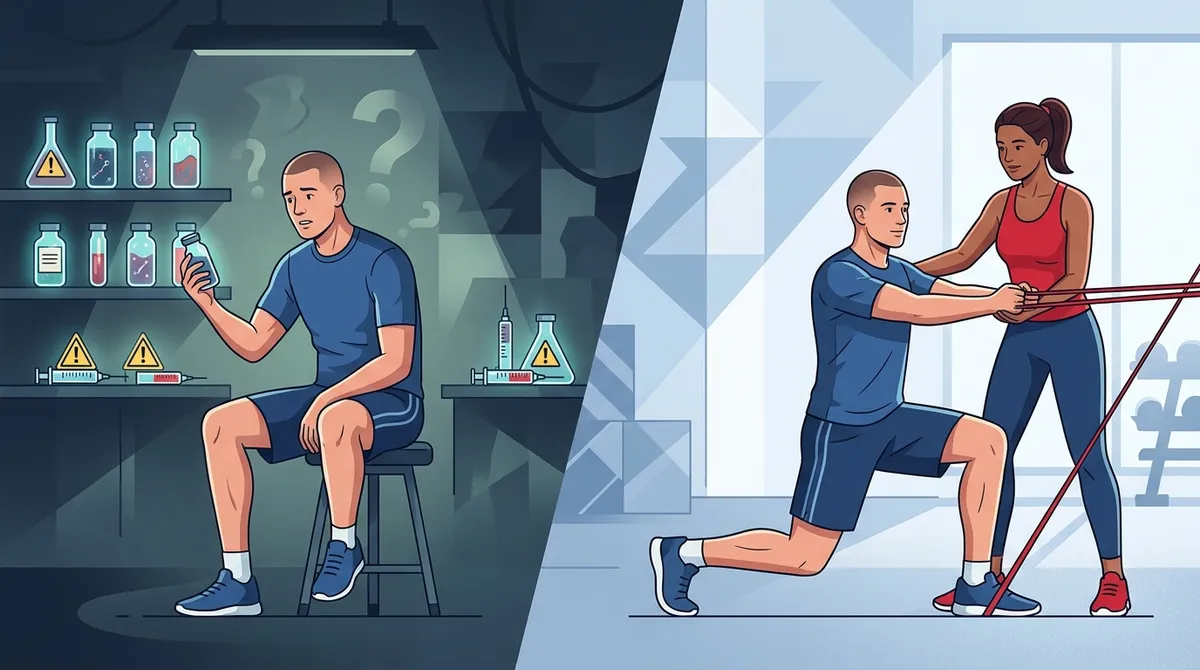
- Evidence-based alternatives like physical therapy, progressive strengthening, proper nutrition, and specialist referral have far stronger scientific support and should be pursued before considering unproven peptide products.
Sore knees. Nagging tendon pain. A shoulder that never quite heals right. If you have searched online for faster recovery, you have probably seen ads for sports medicine peptide therapy. Compounds like BPC-157 and TB-500 get promoted as miracle shortcuts for injury healing. But what does the actual science say? And is this something a trustworthy primary care clinic should even offer?
This guide breaks down 13 facts every patient should know before considering peptide therapy for sports injuries. We will cover the evidence, the risks, the legal status for athletes, and safer paths to recovery. At InCare, our approach in Tampa and Riverview centers on proven, evidence-based care rather than trendy shortcuts. Here is what you need to know.
1. What Sports Medicine Peptide Therapy Actually Means
The term generally refers to injectable or oral peptides marketed to speed up tendon, ligament, and muscle healing. It also covers products promoted for reducing inflammation or boosting athletic recovery. The most commonly discussed compounds include BPC-157, TB-500 (a thymosin beta-4 derivative), CJC-1295, ipamorelin, and sermorelin. These are often sold online or through wellness clinics as recovery aids, but their scientific backing varies widely.
2. BPC-157 Shows Promise in Labs, Not Yet in People
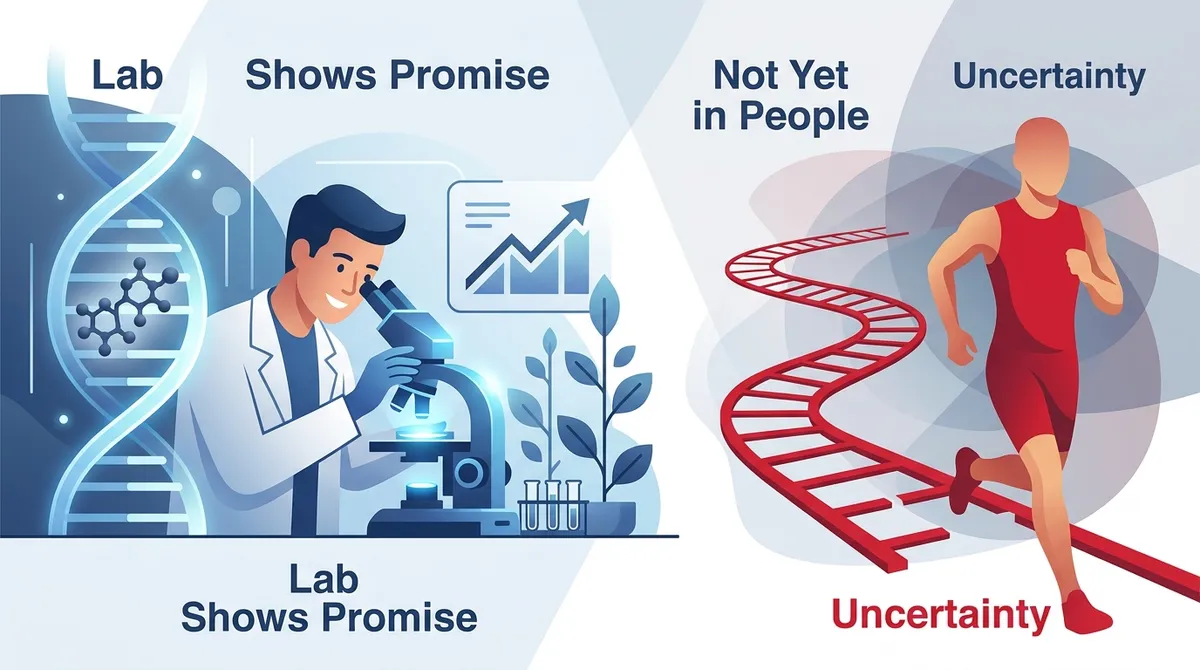
BPC-157 has generated buzz because animal and lab studies suggest it may help repair tendons, muscles, the gut lining, and even nerve tissue. These early results are interesting. However, they have not been reliably confirmed in well-designed human clinical trials. Most of what we know comes from rodent studies, not people recovering from real sports injuries.
3. TB-500 Research Is Still Mostly Preclinical
TB-500 is a synthetic version of thymosin beta-4, a naturally occurring protein. Preclinical studies hint at possible effects on blood vessel growth and tissue repair. But there is no strong published human evidence in orthopedic or sports medicine settings. If you read a testimonial claiming TB-500 healed someone's torn tendon, remember that personal stories are not the same as clinical proof.
4. Neither Compound Is FDA-Approved for Injury Recovery
This is one of the most important facts to understand. BPC-157 and TB-500 are not approved by the FDA for treating musculoskeletal injuries, speeding athletic recovery, or enhancing performance. Just because a wellness clinic or compounding pharmacy markets a product does not mean it has been proven safe or effective. Marketing claims and regulatory approval are two very different things.
What FDA Approval Actually Requires
FDA approval means a drug went through rigorous testing for safety and effectiveness in humans. It also means manufacturing quality is monitored. Peptides sold as "research chemicals" skip this entire process, which leaves patients without the usual safety net.
5. The 2025 Evidence Review Was Not Encouraging
A 2025 systematic review looked specifically at BPC-157 in orthopedic and sports medicine applications. Researchers screened 544 articles and included 36 studies in their final analysis. Of those, 35 were preclinical animal studies. Only one was an actual clinical study involving humans.
That single clinical report involved just 12 patients who received intra-articular BPC-157 injections for chronic knee pain. Seven of them reported pain relief lasting more than six months. But this was a small, retrospective, uncontrolled study. It cannot prove the treatment works, and it cannot establish long-term safety.
6. Real Risks Come With Unregulated Products
Because many peptides are sold outside normal pharmacy channels, quality control is a serious concern. Here are the main risks patients should weigh:
- Contamination or incorrect dosing from unregulated manufacturers
- Injection-site reactions, swelling, or infection
- Allergic reactions to impure ingredients
- Unknown interactions with other medications
- Uncharacterized long-term effects on hormones or tissue growth
Peptides that affect growth hormone pathways or blood vessel formation may carry theoretical risks for metabolism, heart health, or abnormal tissue growth. These concerns need more research before anyone can call these products safe.
7. WADA Bans These Peptides for Competitive Athletes
If you compete in any sport governed by anti-doping rules, this fact matters a lot. The World Anti-Doping Agency's 2026 Prohibited List took effect on January 1, 2026. It bans peptide hormones, growth factors, and related substances under Section S2. This ban applies at all times, both in and out of competition.
The 2026 list specifically names thymosin-beta-4 and its derivatives, including TB-500, as prohibited substances. BPC-157, as a non-approved substance, may also fall under prohibited categories. Athletes should get clear counseling before considering any peptide product, since a positive test could end a season or a career.
8. FDA Approval for One Peptide Does Not Cover All Peptides
Some patients assume that because certain peptide medicines are FDA-approved for conditions like diabetes or obesity, other peptides must be safe too. This is a common and risky misunderstanding. Approval for one specific drug, tested for one specific use, tells you nothing about the safety of a completely different peptide marketed for sports recovery.
9. Diagnosis Should Always Come First
Before anyone considers a peptide, a proper diagnosis matters most. Pain in a joint or tendon can come from many causes, and treatment should match the actual problem. Responsible care starts with a physical exam, imaging when needed, and a clear plan. Our primary care team focuses on this step-by-step process rather than jumping to unproven shortcuts.
Evidence-Based Alternatives Worth Trying First
Here are treatment options with much stronger scientific support for sports injuries:
- Activity modification to reduce stress on the injured area
- Structured physical therapy and progressive strengthening
- Proper sleep and nutrition to support natural healing
- Appropriate pain management, including anti-inflammatory approaches
- Referral to sports medicine or orthopedic specialists for complex injuries
These steps should never be delayed while someone experiments with an unproven peptide. Fractures, significant tendon tears, infections, and neurologic symptoms all need prompt, proven treatment.
10. Product Source Matters More Than People Realize
Peptides bought online from unverified sellers carry higher risk than anything dispensed through a licensed medical provider. Without third-party testing, you cannot know the actual dose, purity, or even the true identity of what is in the vial. This is one reason primary care providers urge caution before trying compounds marketed outside standard medical channels.
11. Informed Consent Should Cover These Key Points
If a patient and provider do discuss peptide therapy, a thorough conversation should happen first. This conversation should clearly explain:
- The current limits of human evidence
- The regulatory status of the specific compound
- Where the product comes from and how it is tested
- Possible side effects and unknowns
- Alternative treatments with stronger evidence
- Expected costs
- The lack of an established safe dose for many marketed peptides
Without this level of transparency, patients cannot make a truly informed decision about their care.
12. Whole-Body Health Supports Recovery Too
Injury recovery does not happen in isolation. Your metabolism, hormone balance, and overall wellness all play a role in how fast your body heals. Services like body composition analysis and DNA gene testing can help identify factors that may be slowing your progress. IV hydration and vitamin therapy may also support the body's natural repair processes, particularly for active patients managing demanding training schedules.
13. A Trusted Primary Care Partner Makes the Difference
Choosing where you get care matters just as much as choosing what treatment to try. A qualified clinic will evaluate your injury honestly, discuss the real evidence behind any peptide product, and guide you toward options backed by research. Our providers, including Dr. Naveen Paddu and Dr. Pramjeet Ahluwalia, prioritize transparent conversations over hype. You can learn more about our approach to peptide therapy in Tampa and how it fits into a broader wellness plan.
Patients in the Tampa Bay area consistently share positive experiences with our team. You can visit us on Google — InCare to read real patient reviews before scheduling your visit. We also share educational updates and patient stories on Facebook and Instagram, plus quick wellness tips on TikTok.
Making a Smart, Informed Choice
Sports medicine peptide therapy remains an evolving and unproven field. The lab research is interesting, but human evidence is thin. BPC-157 and TB-500 are not FDA-approved for injury treatment. Athletes face serious anti-doping concerns. And product quality from unregulated sources cannot be guaranteed.
None of this means recovery from an injury has to be slow or frustrating. Proven approaches like physical therapy, proper nutrition, and expert diagnosis still offer the most reliable path forward. If you are dealing with a sports injury or simply want a second opinion before trying a peptide product, our Tampa and Riverview locations are ready to help. Reach out to our care team to discuss your recovery goals, or book your appointment today to get started on a plan built around real evidence and your long-term health.
FAQs
Q: What is peptide therapy in sports medicine?
A: It refers to injectable or oral peptides like BPC-157 and TB-500 marketed for injury healing, inflammation reduction, and recovery. These products are promoted for tendon, ligament, and muscle repair, though human research remains limited.
Q: Does BPC-157 actually heal tendons, ligaments, or muscle injuries?
A: Animal and lab studies suggest possible benefits, but these findings have not been confirmed in well-designed human trials. A 2025 systematic review found only one small clinical study among 36 total studies reviewed.
Q: Is TB-500 FDA-approved or legal for human use?
A: TB-500 is not FDA-approved for treating sports injuries or enhancing recovery. It is also specifically named as a prohibited substance on WADA's 2026 list for competitive athletes.
Q: Are sports medicine peptides prohibited by WADA?
A: Yes. The 2026 WADA Prohibited List bans peptide hormones and growth factors under Section S2 at all times, both in and out of competition. Thymosin-beta-4 derivatives like TB-500 are specifically named.
Q: What are evidence-based alternatives to peptide therapy for sports injuries?
A: Proven options include physical therapy, progressive strengthening, activity modification, proper nutrition, and referral to a sports medicine specialist. These approaches have far more research behind them than marketed injury peptides.