
Key Takeaways
- Kisspeptin is a critical upstream regulator of the entire reproductive hormone system, controlling puberty, fertility, and menstrual cycles by signaling the brain to release GnRH, which triggers LH and FSH production.
- Genetic mutations in KISS1 or KISS1R genes can cause congenital hypogonadotropic hypogonadism (delayed puberty) or central precocious puberty (early puberty), and may contribute to unexplained infertility.
- Kisspeptin gene expression testing remains a research tool and is not available for routine clinical diagnosis; primary care providers use established tests like LH, FSH, and sex steroid panels instead.
- Altered KISS1 and KISS1R expression has been found in some women with PCOS, but kisspeptin testing cannot yet diagnose PCOS and requires further research before clinical application.
- Kisspeptin therapy is experimental and studied only in clinical trials for conditions like functional hypothalamic amenorrhea; unregulated online kisspeptin products carry contamination and dosing risks and should be avoided.
- Lifestyle factors including extreme weight loss or gain, excessive exercise, chronic stress, and poor sleep can disrupt the broader reproductive hormone system kisspeptin belongs to, making these modifiable factors important for cycle regularity.
Kisspeptin gene expression sits at the center of one of the body's most important hormone systems. This small but powerful signal helps control puberty, fertility, and monthly cycles. Many people have never heard of it, yet it quietly shapes reproductive health from childhood through adulthood. If you have struggled with irregular periods, unexplained infertility, or delayed puberty, understanding this gene may help explain what is happening inside your body.
For tech-savvy adults researching wellness topics online, and for women without a steady primary care relationship, this guide breaks down what science actually knows. We will explain the biology in plain language, cover common health questions, and clarify what is proven versus still under study. As always, a qualified primary care team should guide any testing or treatment decisions related to hormone health.
1. What Kisspeptin Gene Expression Actually Means
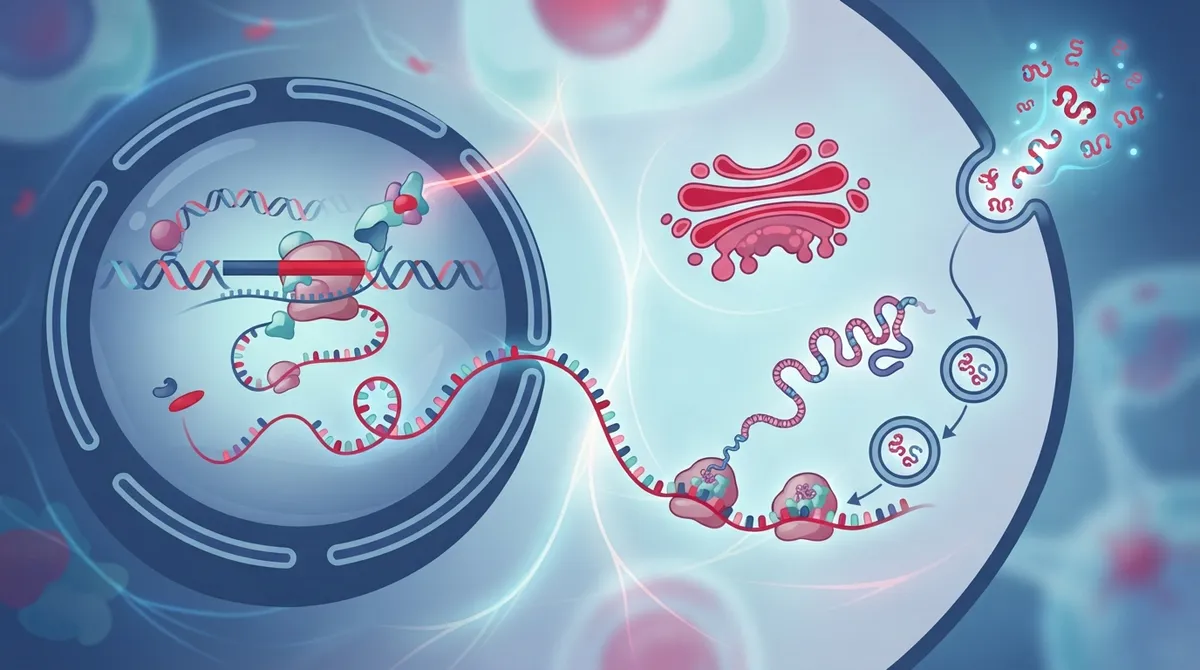
Kisspeptin is a small protein made by the KISS1 gene. It acts like a chemical messenger inside the brain. Its job is to talk to another set of brain cells that control reproduction.
The gene expression part refers to how active this gene is at any given time. When KISS1 turns "on" more strongly, more kisspeptin gets made. This activity changes based on age, sex, and even time of the month.
2. The Receptor That Makes It Work: KISS1R
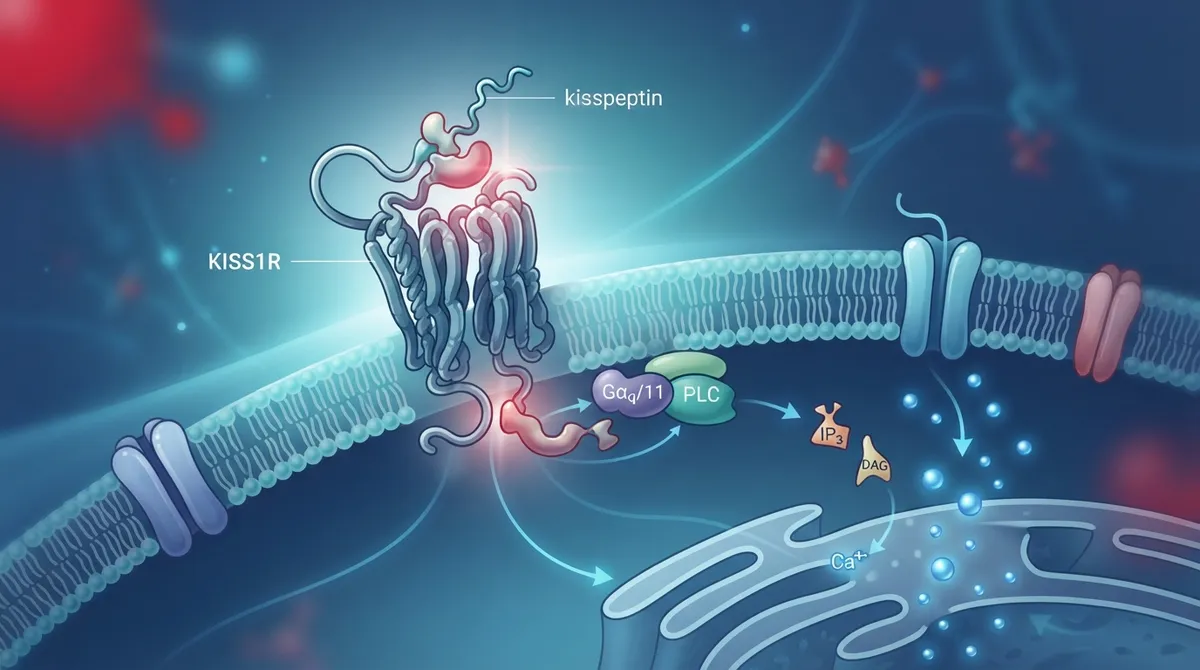
Kisspeptin cannot do its job alone. It needs a partner called KISS1R, once known as GPR54. Think of KISS1R as a lock, and kisspeptin as the key that fits it perfectly.
When kisspeptin binds to KISS1R on certain brain cells, it triggers a chain reaction. This reaction wakes up neurons that release gonadotropin-releasing hormone, known as GnRH.
3. How This System Controls Your Hormones
Once GnRH is released, it travels to the pituitary gland. This gland then releases two more hormones: luteinizing hormone (LH) and follicle-stimulating hormone (FSH).
These two hormones control:
- Ovulation in women
- Sperm production in men
- Estrogen and progesterone levels
- Testosterone production
- Menstrual cycle timing
Without proper kisspeptin signaling, this entire chain can break down. That is why researchers call it an upstream regulator of the whole reproductive system.
4. Where Kisspeptin Is Found in the Body
Most kisspeptin activity happens in the hypothalamus, a small area deep in the brain. But that is not the only place it works.
Scientists have also found KISS1 and KISS1R activity in the ovary, testis, uterus, and placenta. This means kisspeptin may play a local role in these tissues, not just a brain-based one. However, exactly how it works in these areas is still being studied.
5. Genetic Mutations Can Cause Real Problems
Not everyone's KISS1 or KISS1R genes work the same way. Some people carry genetic changes that reduce or increase gene activity.
- Loss-of-function changes can stop puberty from starting at all. This condition is called congenital hypogonadotropic hypogonadism.
- Activating changes can cause puberty to start too early, known as central precocious puberty.
- Some variants may contribute to irregular ovulation or unexplained infertility.
A 2025 review published in Physiological Reviews confirmed that inactivating KISS1R variants were first linked to hypogonadotropic hypogonadism in landmark studies from 2003. This research has since expanded to include KISS1 mutations as well.
6. Kisspeptin and PCOS: What the Research Shows
Polycystic ovary syndrome, or PCOS, is one of the most common hormone conditions in women. Some studies have found altered KISS1 and KISS1R activity in women with this condition.
A 2025 article in Physiological Reviews noted increased KISS1 and KISS1R expression in ovarian granulosa cells among some women with PCOS, compared to women with regular cycles. However, this does not mean testing kisspeptin levels can diagnose PCOS today. More research is needed before this becomes a standard clinical tool.
7. Is Kisspeptin Testing Available at Your Doctor's Office?
Not yet, for routine care. Kisspeptin gene expression testing remains mostly a research tool used in specialized labs and academic studies.
If you are dealing with symptoms like missed periods, unexplained infertility, or signs of hormone imbalance, your primary care team will likely start with more established tests. These include:
- LH and FSH blood levels
- Estrogen, progesterone, or testosterone panels
- Thyroid function tests
- Pregnancy testing when relevant
- A full physical exam and health history
These tools remain the gold standard for diagnosing reproductive hormone issues today.
8. Kisspeptin as an Experimental Treatment
Researchers have tested giving kisspeptin directly to patients in clinical trials. The goal is to see if it can help conditions like functional hypothalamic amenorrhea or hypogonadotropic hypogonadism.
A systematic review published in 2024 looked at 33 clinical trial records related to kisspeptin. After removing duplicates and unrelated studies, researchers reviewed 29 interventional trials. This search covered records through February 2023.
These trials are promising, but kisspeptin therapy is not an approved treatment. It remains experimental and is not something patients should try to source on their own.
9. Why You Should Avoid Unapproved Kisspeptin Products
Online marketplaces sometimes sell kisspeptin products labeled for "research use only." These are not approved for human use and carry real risks.
Unregulated products can have:
- Inaccurate dosing information
- Contamination risks
- Unknown side effects
- No medical oversight
If you are curious about hormone health, the safer path is working with a licensed provider. Our team at InCare offers DNA gene testing and primary care services that focus on evidence-based approaches to your health.
10. Lifestyle Factors That Influence Reproductive Hormones
While you cannot directly control your KISS1 gene expression, lifestyle choices can affect the broader hormone system it belongs to.
- Eating too little or exercising too much can disrupt hormone signaling.
- Being significantly underweight or overweight can affect cycle regularity.
- Long-term stress can interfere with reproductive hormone release.
- Poor sleep habits may worsen hormone imbalances over time.
- Untreated metabolic conditions, like insulin resistance, can also play a role.
Addressing these factors will not directly "fix" gene expression, but it can support the overall system that kisspeptin belongs to. A weight loss program tailored to your needs may help restore balance if excess weight is a contributing factor.
11. When to See a Primary Care Provider or Specialist
Certain signs point to a possible hormone imbalance that deserves medical attention. Consider scheduling a visit if you notice:
- Periods that stop for three months or more without pregnancy
- Delayed puberty in a teenager
- Signs of puberty starting very early in a child
- Unexplained difficulty getting pregnant after a year of trying
- Low libido paired with other hormone symptoms
Your primary care provider can run initial tests and refer you to an endocrinology specialist if needed. The team of providers at InCare, including Dr. Pramjeet Ahluwalia and Dr. Naveen Paddu, can guide you through this process with clear next steps.
12. Kisspeptin's Surprising Origin Story
Kisspeptin was not originally discovered for its role in reproduction. Scientists first identified it while studying cancer metastasis suppression, giving it the early nickname "metastin."
It was only later that researchers connected this molecule to the reproductive system. Today, its most established role is in fertility and puberty, though scientists continue to explore possible links to metabolism and other body systems.
13. What This Means for Your Wellness Journey
Kisspeptin gene expression is a fascinating piece of the human body's hormone puzzle. It explains how the brain and reproductive organs stay in constant communication.
While testing and treatment based on this gene remain in the research stage, the underlying health issues it relates to are very real and treatable today. Irregular cycles, infertility concerns, and puberty questions all deserve a thorough evaluation using proven, established tools.
|
Topic |
Current Clinical Status |
|---|---|
|
KISS1 gene mutations |
Linked to puberty disorders; established in genetic research |
|
Kisspeptin blood testing |
Research use; not routine primary care testing |
|
Kisspeptin therapy |
Experimental; studied in clinical trials only |
|
LH, FSH, sex steroid testing |
Standard, widely available diagnostic tools |
|
Kisspeptin supplements online |
Not FDA approved; not recommended for personal use |
A Closer Look at Kisspeptin Fragments
The KISS1 gene creates a 145-amino-acid precursor protein. This gets broken down into smaller, active pieces including kisspeptin-54, kisspeptin-14, kisspeptin-13, and kisspeptin-10. Each fragment can bind to KISS1R, though research is still comparing their relative potency and roles.
Metabolism Research Is Still Catching Up
A 2024 review of clinical kisspeptin research found that about 15% of identified studies focused on metabolism-related applications. This shows that while reproductive research leads the way, scientists are also curious about broader roles this hormone system might play.
If you want to learn more about hormone health topics like this one, following trusted wellness sources can help. You can also check out patient updates and educational content on our Instagram page, or catch quick wellness tips on our TikTok channel.
Why Choose InCare for Your Hormone Health Questions
Navigating reproductive hormone concerns can feel overwhelming, especially without a long-term primary care relationship. At InCare, our Tampa and Riverview locations offer a personalized approach that combines modern testing with genuine medical expertise.
We understand that many patients, especially busy professionals and women without an established doctor, want clear answers without unnecessary complexity. Our services range from comprehensive cancer screenings to advanced body composition analysis, all designed to give you a fuller picture of your health.
Patients consistently praise our friendly staff and thorough care. You can visit us on Google — InCare to read real reviews from people who have trusted us with their health journey. We also stay connected with our community through Facebook, where we share health tips and clinic updates.
If you are experiencing symptoms related to hormone imbalance, irregular cycles, or fertility concerns, do not wait to get answers. Our team can help you understand your options and create a personalized care plan. Book Your Appointment Today and take the next step toward better hormone health with a team that puts you first.
FAQs
Q: What is kisspeptin gene expression?
A: Kisspeptin gene expression refers to how active the KISS1 gene is in producing kisspeptin, a protein that helps control reproductive hormones. It signals brain cells to release GnRH, which then triggers LH and FSH release from the pituitary gland.
Q: Can KISS1 or KISS1R mutations cause delayed puberty or infertility?
A: Yes. Loss-of-function mutations in these genes have been linked to congenital hypogonadotropic hypogonadism, a condition that can prevent puberty from starting. Other mutations may contribute to fertility challenges, though genetic testing for this remains largely research-based.
Q: Is kisspeptin testing available in routine primary care?
A: Not currently. Kisspeptin gene expression testing is mostly used in research and specialized endocrinology settings. Primary care providers typically rely on established tests like LH, FSH, and sex steroid panels to evaluate hormone concerns.
Q: Does kisspeptin play a role in PCOS or hypothalamic amenorrhea?
A: Research suggests altered KISS1 and KISS1R activity may be involved in both conditions, but this connection is still under study. These findings have not yet led to approved diagnostic tests or treatments based on kisspeptin levels.
Q: Are kisspeptin supplements or peptide products safe and FDA-approved?
A: No. Kisspeptin products sold online are not FDA-approved for personal use and are considered investigational. Patients should avoid unregulated products and instead discuss hormone concerns with a licensed primary care provider.