

Key Takeaways
- Kisspeptin stimulation testing shows promise in distinguishing constitutional delay of puberty (self-resolving) from congenital hypogonadotropic hypogonadism (requires treatment), with early studies showing 100% accuracy, though it remains investigational and not yet standard clinical practice.
- Genetic mutations in KISS1 or KISS1R genes can permanently disrupt the kisspeptin-triggered hormone chain, causing congenital hypogonadotropic hypogonadism that requires long-term medical treatment unlike the more common temporary constitutional delay.
- Kisspeptin is not an approved treatment or supplement; families should prioritize comprehensive primary care evaluation before any specialist referral, including growth charts, family history, and screening for chronic illnesses affecting development.
- Primary care providers should refer children to pediatric endocrinology if they show no puberty signs by age 13-14, experience stalled puberty, loss of smell, or significant developmental distress rather than waiting to see if puberty progresses on its own.
Watching a child fall behind their classmates in growth or physical changes can worry any parent. Delayed puberty affects many teens across Tampa and Riverview families every year. Recent research on a hormone called kisspeptin is changing how doctors understand this condition. This guide breaks down what kisspeptin is, how it relates to delayed puberty, and what steps families should take next.
Primary care plays a key role in spotting delayed puberty early. At InCare, our providers focus on whole-family health, including recognizing when a child's development needs a closer look. This article covers 12 important facts every parent and young adult should know about kisspeptin and delayed puberty.
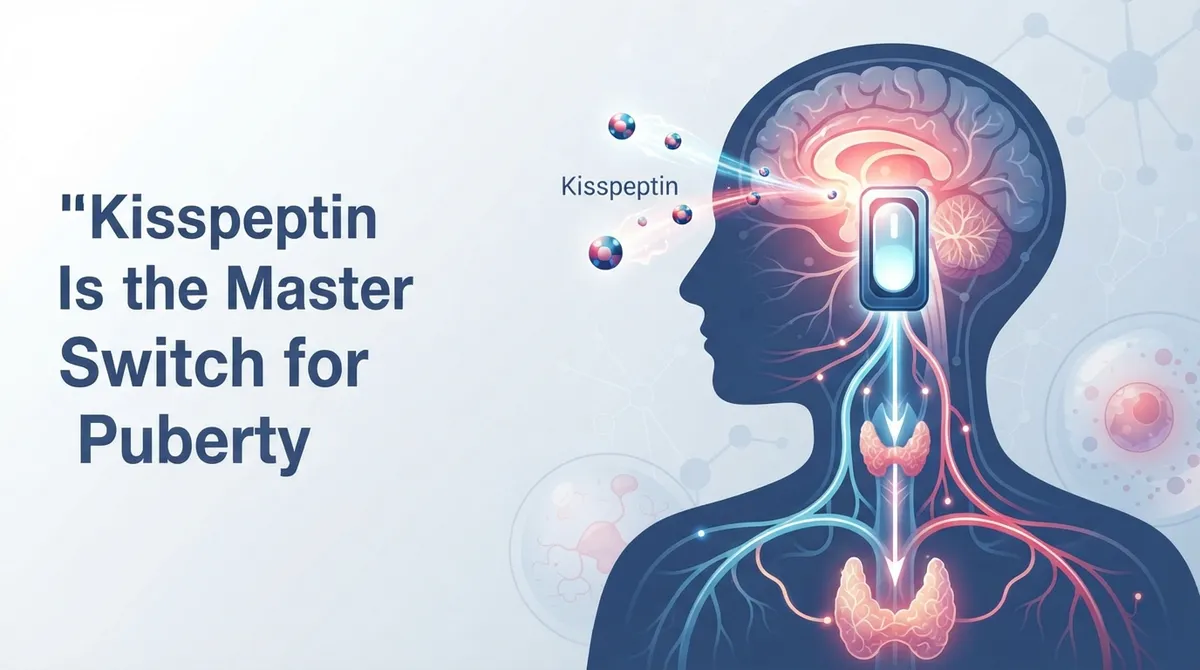
1. Kisspeptin Is the Master Switch for Puberty
Kisspeptin is a hormone made in the brain's hypothalamus. It acts like a key that unlocks the next stage of growth. Kisspeptin activates receptors near neurons that release gonadotropin-releasing hormone (GnRH). This chain reaction triggers luteinizing hormone (LH) and follicle-stimulating hormone (FSH), which are the hormones responsible for starting puberty in both boys and girls.
Without proper kisspeptin signaling, this whole chain can stall. Understanding this system helps explain why some children start puberty late while others do not start at all without medical help.
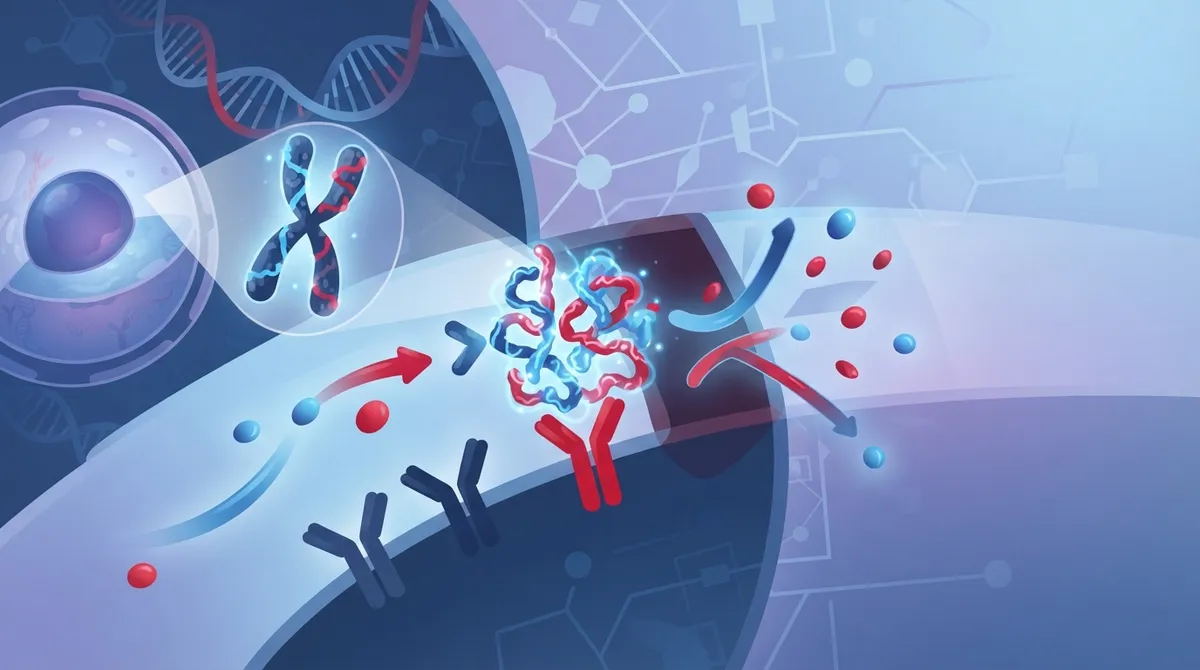
2. Genetic Changes Can Block the Kisspeptin System
Some children have changes in genes called KISS1 or KISS1R (also known as GPR54). These genetic changes can disrupt the entire hormone chain. When this happens, it can cause a condition called congenital hypogonadotropic hypogonadism, or CHH for short.
CHH is a lasting cause of delayed puberty. Unlike some other causes, it usually does not resolve on its own. Genetic testing, such as the DNA gene testing offered at InCare, can sometimes help identify inherited patterns tied to hormone conditions, though puberty-specific genetic panels are typically ordered through specialist care.
3. Two Main Causes of Delayed Puberty Exist
Doctors generally sort delayed puberty into two main groups. Knowing the difference matters because treatment and outlook are very different.
- Constitutional delay of growth and puberty (CDGP): This is the most common cause. Puberty starts later than average but happens on its own, often following a family pattern.
- Congenital hypogonadotropic hypogonadism (CHH): This happens when the brain does not send proper signals to the reproductive organs. It usually needs long-term medical treatment.
Telling these two apart used to be difficult without years of watching and waiting. That is where kisspeptin testing comes in.
4. A Kisspeptin Stimulation Test May Help Tell the Difference
Researchers have studied giving a small, supervised dose of kisspeptin and then measuring how the body responds. In this test, doctors check LH levels before and after the kisspeptin dose. A strong LH response suggests the hypothalamus is working and puberty will likely progress on its own. A weak or flat response may point toward CHH.
This test is still investigational. It is not yet a standard tool used in regular primary care visits. It remains mostly limited to research settings and specialty endocrine clinics.
5. Small Studies Show Promising Results
A notable study published through the Journal of Clinical Endocrinology & Metabolism followed 16 young people with delayed or stalled puberty. The results were striking.
|
LH Response After Kisspeptin |
Number of Participants |
Outcome |
|---|---|---|
|
0.8 mIU/mL or higher |
8 |
All went on to progress through puberty normally |
|
0.4 mIU/mL or lower |
8 |
None developed physical signs of puberty during follow-up |
The test showed 100% sensitivity and specificity in this small group, with a confidence interval between about 74% and 100%. While encouraging, this was a very small sample. Larger studies are needed before this becomes routine care.
6. A 2025 Report Adds More Support
A conference report from 2025 examined a related form called kisspeptin-54. Researchers found that measuring LH two hours after the dose could separate self-limited delayed puberty from CHH with a perfect area under the curve score of 1.0. Again, this came from a small research group, not a large clinical trial. It still shows the direction research is heading.
7. Ongoing Research Continues Through 2027
A registered clinical study, ISRCTN44496480, is actively studying hormone responses to kisspeptin in children with suspected CHH versus constitutional delay. This study runs from 2017 through 2027. It shows how much work remains before kisspeptin testing becomes an everyday clinical tool. Families interested in cutting-edge wellness research can follow updates on Instagram or other trusted health sources for developments in this field.
8. Primary Care Starts With the Basics, Not Kisspeptin Testing
Before any advanced testing gets discussed, primary care doctors follow a standard evaluation process. This includes several key steps:
- Reviewing growth charts and height history over several years
- Checking pubertal staging through a physical exam
- Asking about family history of delayed or early puberty
- Reviewing nutrition, exercise habits, and body weight changes
- Screening for chronic illnesses that can delay growth
- Checking current medications that might affect hormones
- Assessing emotional and social well-being
Kisspeptin testing is not a replacement for this thorough process. It may one day support it, but a full clinical picture always comes first. Families in Tampa and Riverview can start this evaluation through a primary care visit at InCare.
9. Certain Ages Trigger Medical Evaluation
Research protocols commonly study delayed puberty in specific age ranges, though these are not strict universal cutoffs. General guidelines include:
- Girls: No breast development by around age 13
- Girls: No menstrual period by around age 15 or 16
- Boys: No testicular growth by around age 14
- Boys: No progression through puberty stages within expected timeframes
These are general markers, not hard rules. Every child develops at a different pace, and a doctor should always be the one to interpret these signs.
10. Kisspeptin Is Not an Approved Treatment or Supplement
It is important to be clear about this point. Kisspeptin is being studied as a possible future treatment for hypogonadotropic hypogonadism and delayed puberty. It is not an approved therapy that people can buy or use on their own.
Primary care clinicians should never present kisspeptin as a supplement or self-treatment option. Any child or teen showing signs of delayed puberty needs a full medical workup, not an unproven product. Trustworthy wellness clinics prioritize safety over trends, and InCare follows this same standard across all its provider recommendations.
11. Standard Treatments Still Come From Specialists
While kisspeptin research continues, current treatment options for confirmed hypogonadism remain well established. These include:
|
Condition |
Common Treatment Approach |
|---|---|
|
Likely CDGP |
Observation and monitoring over time |
|
Confirmed hypogonadism |
Testosterone therapy (for boys) |
|
Confirmed hypogonadism |
Estrogen therapy (for girls) |
|
Confirmed hypogonadism |
Gonadotropin-based treatment |
|
Select cases |
Short courses of sex-steroid therapy |
These treatments require specialist oversight. A pediatric endocrinologist typically manages ongoing hormone therapy after a primary care doctor makes the initial referral.
12. Know When to Ask for a Specialist Referral
Primary care providers play a critical gatekeeping role. Certain signs should prompt a referral to pediatric endocrinology without delay. These include:
No signs of puberty by the expected age rangesStalled puberty after it has already startedUnusual growth patterns compared to family historyLoss of smell (anosmia), which can signal a specific type of CHHNeurologic symptoms alongside delayed developmentSigns of chronic illness affecting growthSignificant emotional distress related to delayed development
Catching these signs early leads to better outcomes and less anxiety for both the child and the family. If you have concerns about your child's growth or development, our team can help guide the next steps. Reach out to our care team to schedule an evaluation, or explore related topics like how kisspeptin connects to fertility for a deeper understanding of this hormone system.
What This Means for Tampa and Riverview Families
Families across the greater Tampa Bay area now have access to thorough, technology-supported primary care that takes developmental concerns seriously. InCare's approach combines careful clinical assessment with a clear understanding of when advanced hormone testing or specialist referral is appropriate. This balance protects patients from unproven treatments while still connecting them quickly to real solutions.
Our patients consistently share positive experiences with our care team, and you can visit us on Google — InCare to read what other families in the area have said about their visits. We also share health updates and wellness tips on Facebook and TikTok for those who want to stay informed between appointments.
Take the Next Step for Your Child's Health
Delayed puberty can feel confusing and stressful, but you do not have to figure it out alone. A thorough evaluation from a trusted primary care team is the right first step, whether the cause turns out to be a simple family pattern or something that needs specialist care. Our providers at InCare, including those at our Tampa and Riverview locations, are ready to guide your family through this process with care and clarity.
If your child shows signs of delayed growth or puberty, do not wait to get answers. Book an appointment today and take the first step toward understanding your child's health with a team that puts your family first.
FAQs
Q: What is kisspeptin and how does it trigger puberty?
A: Kisspeptin is a hormone made in the brain that activates receptors near GnRH neurons. This triggers the release of LH and FSH, the hormones responsible for starting and maintaining puberty in both boys and girls.
Q: Can kisspeptin testing tell whether delayed puberty is temporary or permanent?
A: Early research suggests kisspeptin stimulation testing may help distinguish constitutional delay from congenital hypogonadotropic hypogonadism. However, this test is still investigational and based on small studies, so it is not yet a standard diagnostic tool.
Q: What is the difference between constitutional delay of puberty and congenital hypogonadotropic hypogonadism?
A: Constitutional delay of growth and puberty (CDGP) is a common, temporary pattern where puberty starts later but progresses on its own. Congenital hypogonadotropic hypogonadism (CHH) is a lasting condition caused by impaired hormone signaling that usually requires ongoing medical treatment.
Q: Is kisspeptin approved as a treatment for delayed puberty?
A: No, kisspeptin is not an approved treatment or supplement for delayed puberty. It remains under research for potential future therapeutic use, and current standard treatments still rely on specialist-managed hormone therapies.
Q: When should a primary care clinician refer a child with delayed puberty to pediatric endocrinology?
A: Referral is appropriate when a child shows no signs of puberty by the expected age, has stalled puberty after starting, experiences loss of smell, has neurologic symptoms, or shows significant distress related to their development.