
Key Takeaways
- Kisspeptin therapy remains investigational with no established dosing protocol or approved guidelines; patients should avoid commercially marketed kisspeptin products claiming unproven testosterone or fertility benefits.
- Central hypogonadism diagnosis relies on standard bloodwork (LH, FSH, prolactin, thyroid panel) rather than kisspeptin testing, and many reversible causes like stress, undernutrition, and excessive exercise can be identified through thorough primary care evaluation.
- Testosterone replacement therapy suppresses natural LH and FSH production, making it unsuitable for men trying to conceive; fertility-focused alternatives like gonadotropin therapy should be discussed with providers instead.
- Pituitary MRI imaging and endocrinologist referral become necessary when hormone levels suggest pituitary lesions, prolactin is significantly elevated, or initial treatment fails to improve symptoms.
Low sex drive, missing periods, or unexplained fatigue can feel confusing when standard bloodwork looks fine at first glance. For some patients, the root cause traces back to a tiny brain signal called kisspeptin. Understanding kisspeptin central hypogonadism helps explain why some men and women develop low testosterone or estrogen despite having healthy ovaries or testes. This guide breaks down the science in plain language and explains how primary care providers evaluate and manage this condition today.
At InCare, our Tampa and Riverview clinics see patients who struggle with fatigue, fertility concerns, and hormone imbalances every week. While kisspeptin itself remains an investigational therapy, understanding how it works helps patients and providers make smarter decisions about diagnosis and treatment. Below are 12 key facts every patient should know about this emerging area of reproductive health.
1. Kisspeptin Is the Brain's Master Switch for Reproduction
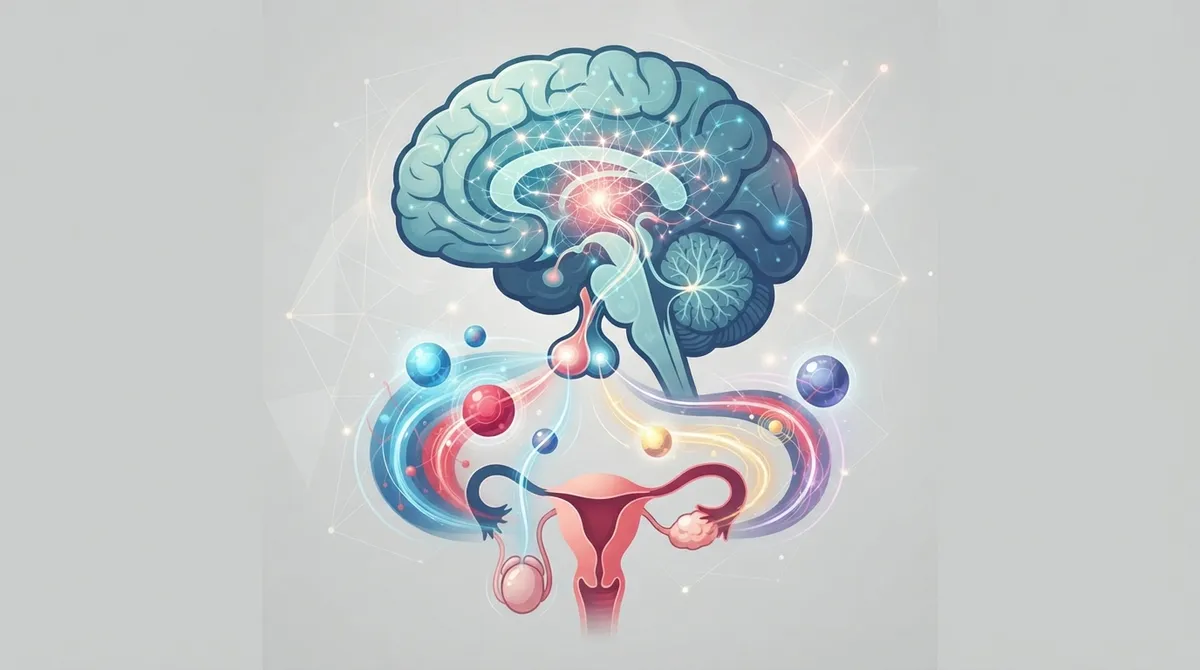
Kisspeptin is a small protein made in the hypothalamus, a region deep inside your brain. It attaches to a receptor called KISS1R, also known as GPR54, found on special nerve cells. These nerve cells release GnRH, a hormone that tells your pituitary gland to release LH and FSH. Those two hormones then drive testosterone, estrogen, ovulation, and sperm production. Think of kisspeptin as the first domino in a chain reaction that controls your entire reproductive system.
2. Central Hypogonadism Works Differently Than Ovarian or Testicular Failure
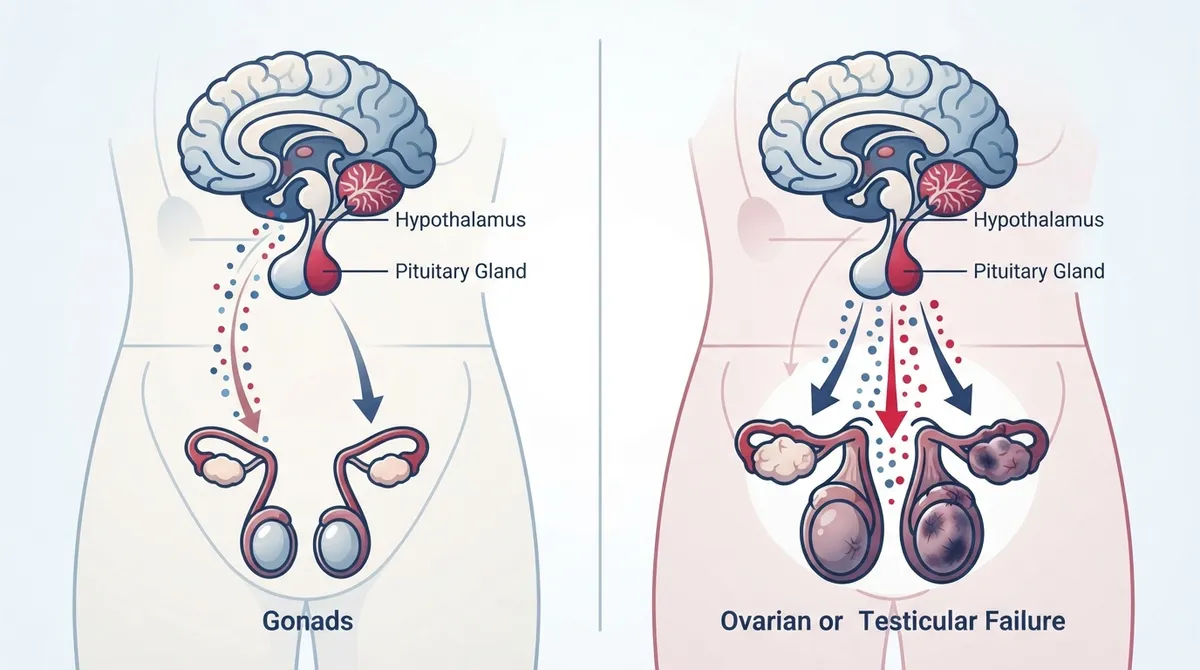
Central hypogonadism, also called hypogonadotropic hypogonadism, happens when the brain fails to send the right signals. This is different from primary gonadal failure, where the ovaries or testes themselves stop working properly. The table below shows the key differences primary care providers look for during testing.
|
Feature |
Central Hypogonadism |
Primary Gonadal Failure |
|---|---|---|
|
LH and FSH Levels |
Low or inappropriately normal |
Elevated |
|
Sex Hormone Levels |
Low |
Low |
|
Root Cause |
Hypothalamus or pituitary problem |
Ovary or testicle problem |
|
Common Triggers |
Stress, undernutrition, genetics, pituitary issues |
Aging, autoimmune disease, chemotherapy |
3. Many Causes Are Reversible
One reassuring fact about central hypogonadism is that many triggers can be fixed once identified. Common reversible causes include:
- Excessive exercise combined with low calorie intake
- Severe emotional or physical stress
- Rapid weight loss or eating disorders
- Obesity affecting hormone signaling
- Elevated prolactin levels from medications or tumors
- Thyroid dysfunction
Identifying these factors early through a thorough primary care evaluation often leads to meaningful improvement without complex interventions.
4. Congenital Conditions Also Play a Role
Some people are born with conditions that disrupt kisspeptin or GnRH signaling from birth. Idiopathic hypogonadotropic hypogonadism and Kallmann syndrome are two well-known examples. Kallmann syndrome often includes a reduced sense of smell alongside delayed puberty. These genetic conditions require lifelong monitoring and specialist-guided treatment plans.
5. Symptoms Vary Widely by Age and Sex
Recognizing symptoms early makes a real difference in outcomes. Common signs include:
- Delayed or absent puberty in teenagers
- Irregular or missing menstrual periods
- Reduced libido or erectile dysfunction
- Unexplained infertility
- Persistent fatigue and low energy
- Loss of muscle mass or strength
- Hot flashes in either sex
- Decreased bone density over time
- Reduced facial or body hair growth
If you notice several of these symptoms together, a comprehensive wellness visit can help identify the underlying cause.
6. Diagnosis Starts With Basic Bloodwork, Not Kisspeptin Testing
Despite the excitement around kisspeptin research, routine blood kisspeptin measurement is not part of standard diagnosis. Instead, primary care evaluation typically includes:
- Two morning sex hormone measurements taken on separate days
- LH and FSH levels
- Prolactin testing
- Thyroid function panel
- Iron studies when hemochromatosis is suspected
- Additional pituitary hormone testing when needed
Our team at cancer screening and hormone testing services uses these standard markers alongside advanced tools like DNA gene testing to build a complete picture of your health.
7. Kisspeptin Therapy Remains Investigational, Not Routine Care
Early research is promising but incomplete. A 2012 proof-of-concept study in men with type 2 diabetes and central hypogonadism found that kisspeptin-10 increased LH pulse frequency and boosted testosterone levels. However, this was a small mechanistic study, not proof of an approved treatment. There is currently no established dosing protocol or medical guideline recommending kisspeptin for routine use.
8. Clinical Trials Are Actively Studying Kisspeptin's Potential
Several registered studies are exploring kisspeptin's role in reproductive health. The table below summarizes some key ongoing research.
|
Study Focus |
Sample Size |
Key Detail |
|---|---|---|
|
Subcutaneous kisspeptin in idiopathic hypogonadotropic hypogonadism |
~50 participants |
Pulsatile dosing over about two weeks |
|
Prolonged pulsatile kisspeptin administration |
24 participants |
Assesses response to repeated dosing |
|
Kisspeptin in reproductive disorders |
~496 participants |
Covers Kallmann syndrome, PCOS, and hyperprolactinemia |
Registration in these trials does not confirm effectiveness. It simply shows the medical community is actively studying this pathway.
9. Repeated Kisspeptin Exposure May Lose Effectiveness Over Time
One challenge researchers face is called tachyphylaxis. This means the body's response to kisspeptin can weaken with prolonged or repeated exposure. This finding matters because it suggests kisspeptin may not work the same way as a daily pill or injection. Scientists are still working out how to time doses for the best results, which is part of why it remains outside standard care.
10. Established Treatments Already Exist and Work Well
While kisspeptin therapy develops, primary care and specialist teams already have effective tools for managing central hypogonadism. Treatment depends on your goals:
- Sex-steroid replacement therapy for symptom relief when fertility is not an immediate goal
- Pulsatile GnRH therapy to stimulate natural hormone production
- Gonadotropin therapy using hCG, with or without FSH, to support fertility
- Lifestyle changes to reverse causes like undernutrition or excessive exercise
Our weight loss and wellness programs often support these efforts by addressing metabolic factors that affect hormone balance.
11. Testosterone Therapy Can Interfere With Fertility Goals
This is a critical point many patients miss. Testosterone replacement therapy suppresses the body's natural LH and FSH production. This means it also suppresses sperm production. Men actively trying to conceive should generally avoid standard testosterone therapy and instead discuss fertility-focused options with their provider. Our providers can walk you through which approach best matches your family planning goals.
12. Pituitary Imaging and Specialist Referral May Be Necessary
Not every case can be managed in a primary care setting alone. Your provider may recommend pituitary MRI imaging or referral to an endocrinologist when:
- Hormone levels suggest a pituitary or hypothalamic lesion
- Symptoms include severe headaches or vision changes
- Prolactin levels are significantly elevated
- Fertility treatment requires specialized reproductive care
- Initial treatment does not improve symptoms as expected
A 2025 review published in the journal Andrology notes that kisspeptin testing shows promise for evaluating hypothalamic reproductive dysfunction, but its diagnostic role is still under investigation. This reinforces why working with a knowledgeable primary care team matters before considering experimental options.
Why Choose InCare for Hormone Health Evaluation
Navigating symptoms of low testosterone, irregular periods, or fertility struggles can feel overwhelming. Our clinics in Tampa and Riverview combine advanced diagnostic tools with a personalized approach to primary care. From body composition analysis to comprehensive hormone panels, we focus on finding real answers rather than guessing at treatments. Patients should not pursue commercially available or compounded kisspeptin products marketed as proven testosterone or fertility boosters, since these claims are not currently supported by strong clinical evidence.
We encourage patients to stay informed through trusted sources like the National Center for Biotechnology Information and follow updates on peptide research through organizations such as the Endocrine Society. You can also connect with our team and see patient experiences by following us on Facebook, Instagram, and Tik Tok for wellness tips and clinic updates.
Take the Next Step Toward Better Hormone Health
If you suspect central hypogonadism might explain your symptoms, don't wait to get answers. Our team offers thorough evaluations that go beyond basic bloodwork, including guidance on IV hydration and vitamin drips to support recovery and energy during treatment. Many patients also check out what real InCare patients say by visiting us on Visit us on Google — InCare before scheduling their first appointment.
Ready to get personalized answers about your hormone health? Book Your Appointment Today and let our Tampa and Riverview team guide you toward a clear diagnosis and effective treatment plan.
FAQs
Q: What is kisspeptin, and how does it affect testosterone and fertility?
A: Kisspeptin is a brain signal that activates GnRH neurons, which then trigger LH and FSH release from the pituitary gland. These hormones regulate testosterone production in men and ovulation in women, making kisspeptin an essential starting point in the reproductive hormone chain.
Q: What is the difference between kisspeptin-related central hypogonadism and primary hypogonadism?
A: Central hypogonadism involves a problem in the brain's signaling to the reproductive organs, showing low or normal LH and FSH levels. Primary hypogonadism involves the ovaries or testes themselves failing, which typically causes elevated LH and FSH levels instead.
Q: Can kisspeptin treat low testosterone or infertility right now?
A: Not yet. Kisspeptin remains an investigational therapy studied in small clinical trials. There is no established dosing protocol or approved guideline recommending it as standard treatment for low testosterone or infertility.
Q: Can testosterone replacement be used when a man is trying to conceive?
A: Generally, no. Testosterone therapy suppresses the body's natural LH and FSH production, which also suppresses sperm production. Men trying to conceive typically need fertility-focused treatments like gonadotropin therapy instead.
Q: When should a patient with suspected central hypogonadism see a specialist?
A: Referral or pituitary imaging is often recommended when hormone testing suggests a pituitary lesion, when prolactin levels are high, or when initial treatment doesn't improve symptoms. A primary care provider can help determine the right timing for specialist involvement.