Key Takeaways
- Ipamorelin raises growth hormone levels but no large, well-designed human study has proven it builds muscle mass or increases strength in healthy adults—hormone spikes alone don't guarantee muscle growth.
- Ipamorelin is not FDA-approved for any use and lacks official quality standards, making unregulated online products high-risk for contamination, incorrect dosing, and mislabeled ingredients.
- Potential side effects include blood sugar dysregulation, fluid retention, and joint pain, with long-term safety data limited—making a licensed clinician consultation essential before use.
- Proven muscle-building fundamentals—progressive resistance training, adequate protein intake, quality sleep, and hydration—are more effective than unproven peptides and should be your first priority.
Ipamorelin has become a buzzword in wellness circles across Tampa and Riverview. Gym-goers, biohackers, and busy professionals keep asking the same question: does this peptide actually build muscle? Before you spend money on any product, you deserve clear, honest answers backed by real science.
This guide breaks down what ipamorelin actually does, what the research shows, and why a conversation with a licensed clinician matters more than marketing claims. Whether you are a fitness-focused millennial or a parent trying to optimize your family's health, understanding the facts protects your wallet and your body.
1. Ipamorelin Works by Triggering Growth Hormone Release
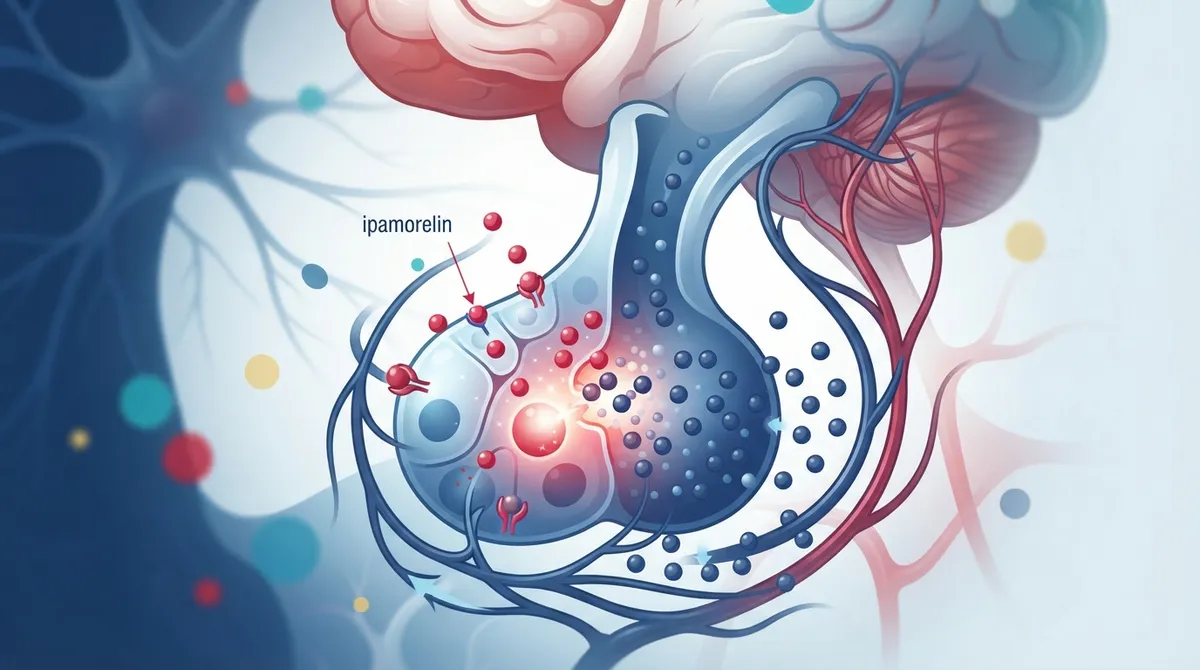
Ipamorelin is a lab-made peptide. It attaches to a receptor called GHS-R1a. This receptor lives in your pituitary gland. Once triggered, your pituitary releases growth hormone (GH) into your bloodstream.
This process is real and measurable. But a rise in GH is just one biological event. It does not automatically mean your muscles will grow bigger or stronger. Many patients confuse this hormone spike with proof of results.
2. There Is No Strong Proof It Builds Muscle in Healthy Adults
Here is the honest truth: no large, well-designed human study has shown that ipamorelin increases muscle size or strength in healthy people. Researchers have not found solid evidence linking this peptide to real muscle hypertrophy.
Small trials exist. But they focus on hormone levels, not muscle outcomes. If you are hoping for guaranteed gains, the current science simply does not support that promise.
3. One Early Study Only Measured Hormone Response
A small phase I trial gave ipamorelin to human subjects. Researchers saw growth hormone levels peak around 40 to 60 minutes after the dose. That is interesting data. But it is not the same as a muscle-growth study.
No control group tracked strength gains, muscle fiber size, or lean body mass over time. Short-term hormone spikes tell us little about long-term physical changes.
4. Ipamorelin Is Not FDA-Approved for Any Use
This point matters a lot. The FDA has stated clearly that ipamorelin is not part of any approved drug. There is also no official USP/NF monograph for ipamorelin or its acetate form. This means quality standards are not formally set.
Materials from an October 2024 FDA Pharmacy Compounding Advisory Committee meeting confirmed this status. Anyone selling ipamorelin as an approved muscle-building drug is not telling the full story.
5. Compounding Rules Are Complicated and Change Often
Ipamorelin has been nominated for review under bulk drug substance frameworks known as 503A and 503B. This nomination process is not the same as approval. It does not mean the product is legal to market for muscle growth.
Regulatory status can shift. What was true last year may not be true today. This is why checking current FDA guidance matters more than trusting a vendor's website.
|
Claim |
What Science Actually Shows |
|---|---|
|
Builds muscle mass |
No strong human evidence supports this |
|
Increases strength |
Not demonstrated in controlled trials |
|
FDA-approved |
Not approved for any indication |
|
Raises growth hormone |
Yes, this effect is documented |
|
Long-term safety proven |
No, only short-term data exists |
6. Potential Side Effects Deserve Serious Attention
Stimulating your growth hormone and IGF-1 system is not risk-free. Possible concerns include:
- Changes in blood sugar regulation
- Fluid retention or swelling
- Joint pain or muscle soreness
- Other hormone imbalances that are not yet well studied
Because long-term data is limited, doctors cannot say how common these problems are or how serious they might become over months or years of use.
7. Ipamorelin May Affect Blood Sugar and Insulin
Growth hormone naturally influences how your body handles sugar. Raising GH artificially could shift insulin sensitivity in ways that are not fully mapped out. If you have diabetes, prediabetes, or a family history of blood sugar issues, this is a critical factor to discuss before trying any peptide.
A primary care visit that includes bloodwork can catch early warning signs your body might not show yet.
8. Product Quality Varies Wildly Online
Many ipamorelin products sold online carry a "research use only" label. This label is a red flag. It usually means the product has not gone through safety testing meant for human use.
Contamination, incorrect dosing, and mislabeled ingredients are real risks with unregulated peptide sales. A trusted primary care provider can help you understand safer, medically supervised options instead.
9. Muscle Growth Still Depends on Proven Basics
Here is what decades of research actually confirm works for building muscle:
- Progressive resistance training with increasing weight over time
- Adequate protein intake spread throughout the day
- Consistent, quality sleep for recovery
- Proper hydration and micronutrient balance
- Patience, since real muscle growth takes months, not days
These fundamentals outperform any unproven peptide. If your goals include lean muscle and better body composition, a program built on these basics is the smartest starting point. InCare's body composition analysis can track your real progress with data instead of guesswork.
10. A Hormone Deficiency Should Be Ruled Out First
Some people feel fatigued or notice slow muscle recovery because of an undiagnosed hormone issue. This could involve thyroid function, testosterone levels, or actual growth hormone deficiency, not something a peptide can fix without proper diagnosis.
Simple bloodwork through a DNA gene testing panel or standard labs can reveal what is really going on. Guessing with unregulated peptides skips this important step.
11. Talking to a Licensed Clinician Changes the Conversation
A qualified doctor will ask about your health history, current medications, and specific goals. They can order labs, interpret results, and explain risks in plain language. This is very different from following advice from a supplement seller or online forum.
At InCare, providers like those found on our providers page take time to review your full health picture before recommending any treatment path, including peptide therapy options.
12. Whole-Body Wellness Beats Quick Fixes
Instead of chasing a single injectable promise, consider a broader wellness plan. This might include nutrition coaching, fitness guidance, and regular cancer screening to protect your long-term health. Small, sustainable habits often outperform trendy shortcuts.
InCare also offers IV hydration vitamin drips and other wellness services designed to support energy and recovery safely, under medical supervision.
Why Location Matters for Wellness Guidance
If you live near Tampa or Riverview, having a nearby clinic makes follow-up care much easier. Regular check-ins let your doctor adjust your plan as your body responds. You can find current locations to see which office fits your schedule best.
Many patients also read what others say before choosing a provider. You can visit us on Google — InCare to see real patient experiences from the Tampa Bay area. Community feedback often highlights the difference between generic advice and truly personalized care.
For more wellness updates and patient stories, follow InCare on Facebook, Instagram, and Tik Tok. These channels share helpful tips beyond what fits in a single article.
Making a Smart, Informed Decision
Ipamorelin might sound appealing because it promises an easy path to muscle growth. But the science right now does not back that promise. Growth hormone changes are real. Proven muscle results are not.
Before trying any peptide, talk with a licensed provider who can review your labs, health history, and goals. This step protects you from wasted money and unnecessary health risks. Learn more about safe, evidence-based options by exploring peptide therapy guidance from InCare's Tampa clinic.
Ready to get real answers about your health goals? Book your appointment today and start with a plan built on facts, not hype.
FAQs
Q: Does ipamorelin actually build muscle?
A: Current research does not show strong evidence that ipamorelin increases muscle mass or strength in healthy adults. It raises growth hormone levels, but that alone does not prove muscle growth occurs.
Q: Is ipamorelin FDA-approved for muscle growth?
A: No. The FDA has confirmed ipamorelin is not part of any approved drug and has no official drug-substance monograph. It is not authorized for muscle building or any other specific use.
Q: What are the possible side effects of ipamorelin?
A: Potential concerns include changes in blood sugar regulation, fluid retention, and joint or muscle discomfort. Long-term safety data is limited, so risks are not fully understood.
Q: Is compounded ipamorelin legal or safe to use?
A: The legal and regulatory status is nuanced and can change. It's best to verify current FDA guidance and speak with a licensed clinician rather than relying on vendor claims.
Q: Should I see a primary care doctor before trying a growth hormone peptide?
A: Yes. A licensed clinician can test your hormone levels, review your health history, and help you understand real risks before considering any peptide therapy.