
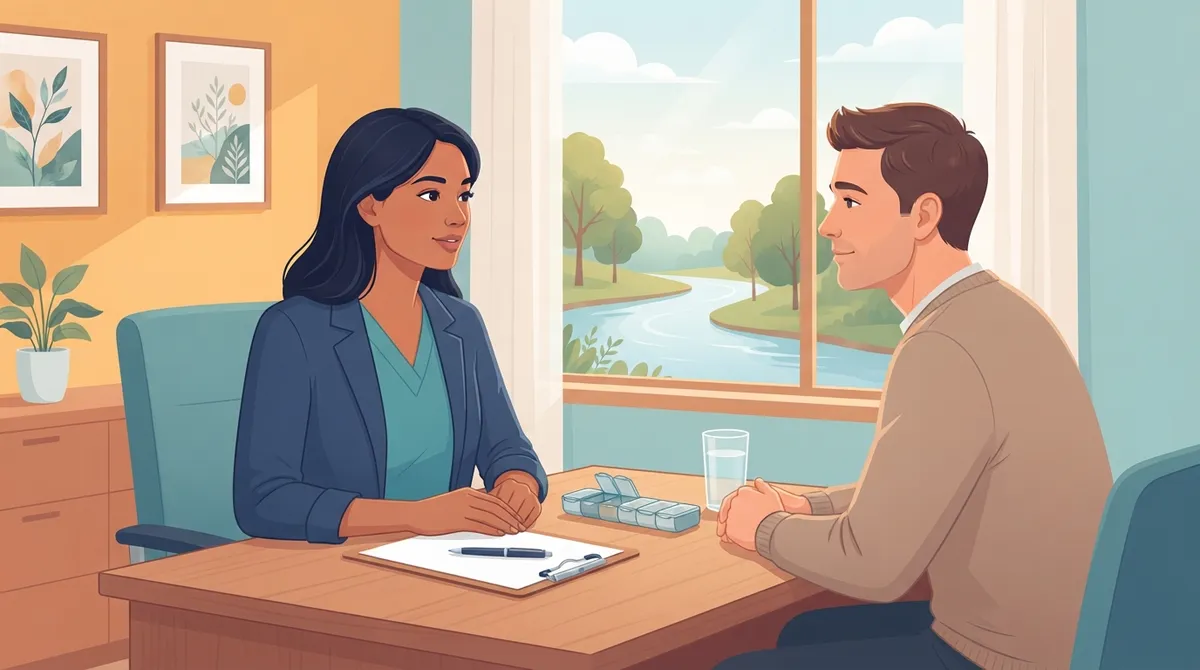
Key Takeaways
- Low libido is a symptom, not a diagnosis; causes include thyroid disease, medications, sleep apnea, depression, stress, and sexual pain, so a confidential primary care evaluation should come before any treatment.
- Low desire alone does not prove low testosterone; diagnosing male hypogonadism requires compatible symptoms plus consistently low levels confirmed by repeat morning testing.
- Do not stop prescriptions that may dampen desire without talking to your prescriber; bring a full medication and supplement list to your visit so adjustments can be made safely.
- Testing should be targeted to your history rather than ordering every hormone panel; for women, testosterone levels should not be used to diagnose hypoactive sexual desire disorder.
- Pain during intimacy often erodes desire over time, so treating the physical cause, such as through pelvic floor therapy or specialist referral, can improve interest.
- Avoid unregulated peptides and online supplements before a basic evaluation, and expect follow-up visits to adjust the plan, since desire often improves in steps as contributing factors are addressed.
Low sexual desire is common, personal, and often hard to discuss. Many adults in Hillsborough County quietly search for low libido treatment Riverview options, then make choices that delay real answers. Some buy online supplements. Others ask for hormone shots before any testing. Many simply wait and hope the problem resolves itself.
Low libido is not a diagnosis. It describes reduced sexual desire, and it can come from health conditions, medications, pain, poor sleep, stress, mood changes, relationship strain, or life-stage shifts. That is why the first step matters so much. A careful, confidential primary care visit can sort out the cause before any treatment starts.
This guide covers 11 mistakes that slow down or derail care in 2026. It also explains what a sound evaluation looks like, which treatments fit which causes, and when a referral makes sense. Whether you are a busy parent, a young professional, or someone focused on proactive wellness, these points will help you seek care with confidence.
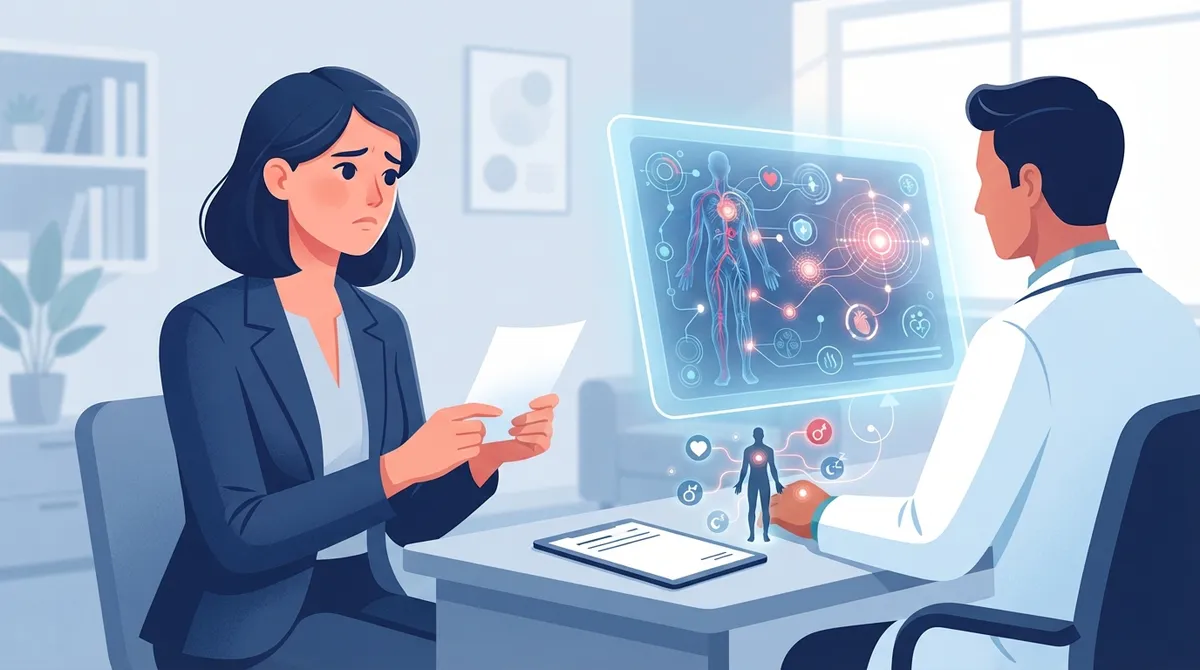
Mistake 1: Treating Low Libido as a Diagnosis Instead of a Symptom
Reduced desire is a signal, not an answer. Two people with the same complaint can have very different causes. One may have untreated sleep apnea. Another may be taking a medication that dampens desire. A third may be dealing with thyroid disease or depression.
When you treat the symptom alone, you risk missing the real problem. A clinician looks for the contributing factors first, then matches care to the findings. This approach is slower than a quick fix, but it is far more likely to work.
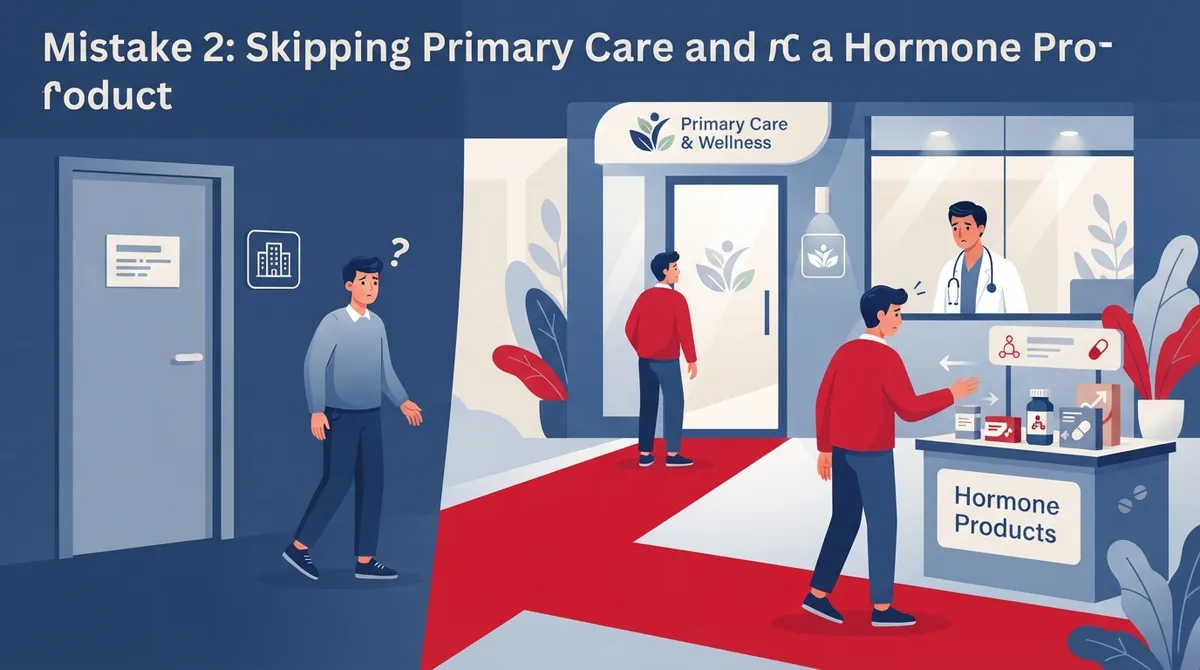
Mistake 2: Skipping Primary Care and Going Straight to a Hormone Product
It is tempting to search for a fast solution. Online ads promise renewed drive in days. Yet hormones affect the heart, bones, mood, fertility, and metabolism. They should never be started without a proper workup.
A primary care visit is a practical first step because your clinician can review your full history in one place. That includes medications, chronic conditions, sleep, mood, and screening status. If you are weighing options, you may also want to read when to see a doctor for low libido to understand the key warning signs.
Mistake 3: Assuming Low Libido Always Means Low Testosterone
This is one of the most common misunderstandings. Low desire alone does not prove testosterone deficiency. Endocrine Society guidance calls for compatible symptoms or signs, plus consistently low testosterone confirmed with repeat morning testing, before diagnosing male hypogonadism.
A single low result is not enough. Levels vary through the day and can dip during illness, poor sleep, or acute stress. Many men with low desire have normal testosterone and a different underlying cause. For a deeper comparison of approaches, see testosterone therapy versus root-cause care for libido help.
If testing does confirm a deficiency, supervised treatment may be appropriate. Testosterone therapy is not right for everyone, including some men who are planning to have children. Oversight and follow-up are essential, as described in this overview of medically supervised TRT in Tampa Bay.
Mistake 4: Ignoring Medications That Affect Desire
Many common prescriptions can lower sexual interest. Certain antidepressants, blood pressure medications, and others may play a role. People often stop taking them without telling anyone, which can be risky.
The better path is to bring a full medication list to your visit. Your clinician can review options with the prescriber, adjust timing or dosing when appropriate, and avoid abrupt changes. Good prescription management is often a quiet but powerful part of improving desire.
Mistake 5: Overlooking Sleep, Stress, and Mood
Desire depends on energy, rest, and emotional bandwidth. Chronic stress, burnout, anxiety, and depression can all reduce interest in sex. So can poor or fragmented sleep.
Untreated sleep apnea is a frequent hidden factor. Loud snoring, daytime fatigue, and morning headaches are clues. If you suspect poor sleep, knowing when to see a doctor for poor sleep can help you act sooner. Stress also matters, and this guide to telling if stress is behind your low sex drive offers practical ways to sort it out.
What a Sound Primary Care Evaluation Looks Like
A good visit is confidential, unhurried, and individualized. It usually follows a clear sequence. Here is what you can expect when you seek low libido treatment Riverview patients can trust.
- A conversation about timing and impact. Your clinician asks when the change began, whether it is situational or constant, and how much distress it causes.
- A review of history and medications. This covers chronic conditions, surgeries, supplements, alcohol, tobacco, and prescription use.
- An appropriate physical exam. The exam depends on your symptoms and may include checking for pain, blood pressure, and signs of thyroid or hormone problems.
- Targeted testing when indicated. There is no single lab panel that diagnoses low desire for everyone. Tests are chosen based on your story.
- A cause-directed plan. Treatment addresses what was found, with referrals when another specialist is the better fit.
For a closer look at how this process works in the Tampa Bay area, read the seven steps in a low sex drive medical evaluation.
Mistake 6: Expecting One Lab Panel to Explain Everything
Patients often ask for "all the hormones" checked. More testing is not always better. Depending on your symptoms and history, a clinician may consider tests for thyroid disease, anemia, diabetes, or hormone abnormalities. The goal is to look for conditions that plausibly explain your symptoms.
For women, specialist guidance is clear on one point. The International Society for the Study of Women's Sexual Health guideline (2021) states that testosterone levels should not be used to diagnose hypoactive sexual desire disorder. They may be measured as a baseline and monitored during treatment, but they do not make the diagnosis.
|
Possible Contributor |
Why It Matters |
Common Next Step |
|---|---|---|
|
Thyroid disease |
Can lower energy, mood, and desire |
Thyroid blood testing and treatment if abnormal |
|
Anemia |
Causes fatigue that reduces interest |
Blood count and iron studies |
|
Diabetes or prediabetes |
Affects circulation, nerves, and energy |
Glucose and A1C testing |
|
Hormone abnormalities |
May contribute in selected patients |
Repeat morning testing in men; individualized review in women |
|
Medication effects |
Some prescriptions reduce desire |
Review with the prescriber |
|
Sleep disorders |
Fatigue and low mood lower interest |
Sleep evaluation and treatment |
Mistake 7: Overlooking Sexual Pain and Other Physical Causes
Pain during intimacy can quietly erode desire. People may avoid sex to avoid discomfort, and over time interest fades. Menopause-related tissue changes, pelvic floor problems, and other conditions can be involved.
Treating the pain often improves desire. Depending on the cause, care may include local treatments, pelvic floor therapy, or referral to gynecology or urology. Do not assume pain is something you must simply tolerate.
Mistake 8: Misunderstanding Hormone Therapy for Women
Women in perimenopause and menopause often notice changes in desire. Hormone-related care can help some patients, but expectations should be realistic. Testosterone is not FDA-approved in the United States to treat sexual conditions in women.
Even so, specialist guidance supports considering systemic transdermal testosterone for selected postmenopausal women with distressing hypoactive sexual desire disorder, after a biopsychosocial evaluation. Use is off-label and requires monitoring. A March 2025 VA clinical summary reports that trials in postmenopausal women found an average increase of about one satisfying sexual event per month versus placebo or comparator, alongside improvements in desire and sexual distress. Individual results vary.
That is a modest, real benefit for the right candidate, not a guarantee. To learn how hormone care options differ, see this comparison of BHRT and traditional HRT, and whether women can have low libido from hormone imbalance. Women seeking tailored support may also find this 2026 guide to libido treatment for women in Riverview useful.
Mistake 9: Buying Unregulated Peptides and Supplements First
Social media is full of claims about peptides for desire. Some products are sold without clear dosing, quality control, or safety data. Buying them before a basic evaluation can waste money and carry risk.
Curiosity about newer options is understandable. Still, evidence matters. If you want context on one frequently discussed topic, read what the science says about kisspeptin and libido. Choose a clinician who explains what is proven, what is investigational, and what is simply marketing. A medically supervised setting protects you from guesswork.
Mistake 10: Neglecting Counseling and Relationship Factors
Desire does not exist in a vacuum. Communication problems, unresolved conflict, past trauma, body image concerns, and performance anxiety can all play a role. Medication alone rarely solves these issues.
Counseling or sex therapy can be a central part of treatment, not a last resort. A primary care clinician can coordinate a referral to mental health care when it fits. Bringing a partner into the conversation, when appropriate, often helps both people feel less alone.
Mistake 11: Waiting Too Long or Skipping Follow-Up
Many people wait months or years before asking for help. Others start a plan but never return to see whether it is working. Both habits slow progress.
Desire often improves in steps as contributing factors are addressed. Follow-up lets your clinician adjust the plan, recheck labs if needed, and review any new medications. If a treatment is not helping, that is useful information, not a failure.
Treatment Options That Match the Cause
Effective care is cause-directed. The table below shows how common findings connect to common approaches. It is a general guide, not a substitute for a personal evaluation.
|
Underlying Cause |
Typical Approach |
|---|---|
|
Medication side effect |
Review with the prescriber and consider adjustments |
|
Sleep disorder |
Sleep testing and targeted treatment |
|
Stress, anxiety, or depression |
Stress management, counseling, and mood care |
|
Confirmed male hypogonadism |
Physician-supervised testosterone therapy with monitoring |
|
Postmenopausal changes |
Individualized hormone discussion and local or systemic options |
|
Sexual pain |
Treat the cause; pelvic floor therapy or specialist referral |
|
Relationship or psychological factors |
Counseling or sex therapy |
When to Ask for a Referral
Primary care is a strong starting point, but some situations call for a specialist. Consider asking about a referral if any of these apply:
- Pain during intimacy that does not improve with first-line care
- Abnormal hormone findings that need endocrinology review
- Persistent distress despite treating medical causes, which may call for sex therapy or mental health care
- Questions about fertility or reproductive health
- Urologic or gynecologic symptoms that need a focused exam
A coordinated primary care team makes these handoffs smoother. That is one reason many patients value an ongoing relationship with a single clinic. If you are still deciding where to begin, this guide to finding a family doctor accepting new patients in Riverview can help.
Why Primary Care Is a Smart Starting Point for Riverview Residents
Low desire touches many body systems, so a whole-person approach works best. A primary care clinic can screen for the common medical contributors, review your medications, and connect you with the right specialist when needed. It also keeps your preventive care on track, including screenings and chronic disease management.
InCare is a personalized healthcare clinic that combines state-of-the-art technology with medical expertise. With locations in Riverview and Tampa, plus virtual visits, the team offers comprehensive primary care, in-house wellness services, and preventive screenings under one roof. That coordination matters when the cause of low libido is not obvious. Patients can also read feedback and visit us on Google — InCare to see what others in the Riverview community say about their experience.
Tech-savvy patients appreciate virtual appointments for a first conversation. Busy families benefit from one clinic that can handle everyday care alongside more private concerns. Women without an established primary care relationship can use the same visit to catch up on wellness exams and screenings. And proactive wellness seekers can pair a libido evaluation with broader whole-body optimization.
Follow InCare for health tips and updates on Facebook, Instagram, and Tik Tok. For clinical background, the International Society for the Study of Women's Sexual Health guideline on systemic testosterone explains the specialist recommendations discussed above.
How to Prepare for Your Visit
A little preparation makes the appointment more productive. Consider the following:
- Write down when your desire changed and what else was happening at the time.
- List every medication and supplement you take, including doses.
- Note your sleep patterns, stress level, and any mood changes.
- Think about what outcome matters most to you, such as more desire, less pain, or less distress.
- Bring questions, including any treatments you have read about.
Honest, specific details help your clinician target the evaluation. Nothing you share is unusual to a trained professional. These conversations are routine, and confidentiality is standard.
Take the First Step Toward Answers
The biggest mistake is doing nothing. Low desire has many treatable causes, and most people improve once the right factors are identified. Avoid the shortcuts, ask for a proper evaluation, and expect a plan built around you.
If you are ready to talk with a clinician, Book Now to schedule a confidential visit, or contact the InCare team with questions first. Whether you choose Riverview, Tampa, or a virtual appointment, InCare offers a thoughtful, whole-body approach to low libido treatment Riverview patients deserve.
FAQs
Q: What kind of doctor should I see for low libido in Riverview?
A: A primary care physician is a practical first step because they can review your medical history, medications, mood, and sleep in one visit. They can order appropriate tests and coordinate referrals to gynecology, urology, endocrinology, or mental health care when needed. This keeps the evaluation confidential and organized.
Q: Does low libido mean I have low testosterone?
A: No. Low desire alone does not establish testosterone deficiency. Endocrine Society guidance calls for compatible symptoms or signs plus consistently low testosterone confirmed with repeat morning testing before diagnosing hypogonadism.
Q: What tests might a clinician order for low libido?
A: There is no single panel that diagnoses low desire for everyone. Depending on your symptoms and history, a clinician may consider tests for thyroid disease, anemia, diabetes, or hormone abnormalities. Testing is chosen to look for conditions that could plausibly explain your symptoms.
Q: Can medications such as antidepressants affect sexual desire?
A: Yes. Certain antidepressants and other prescriptions can reduce sexual interest. Do not stop a medication on your own, because abrupt changes can be unsafe. Your clinician can review options with the prescriber and adjust the plan appropriately.
Q: When should I ask for a referral to a gynecologist, urologist, or therapist?
A: Ask about a referral if you have persistent pain during intimacy, abnormal hormone findings, ongoing distress despite medical care, or fertility questions. A therapist or sex therapist can help when relationship or psychological factors are involved. A coordinated primary care team can arrange these handoffs for you.


