

Key Takeaways
- Epithalon is not FDA-approved in the U.S. and has no established clinical dose, so availability at a Tampa clinic does not mean it is proven or safe.
- Anti-aging, telomere, and sleep claims rest mainly on cell-culture or small biomarker studies; no adequately powered human trial shows benefit.
- Human safety data is thin, and products sold as research chemicals may vary in purity, sterility, and dosing, adding injection risks.
- Before considering any peptide, consult a licensed clinician who reviews your history and medications, and ask about evidence-based options like sleep evaluation and preventive screening.
Few wellness topics generate as much curiosity as longevity peptides. Epithalon therapy in Tampa is a search term that many residents are typing into their phones in 2026, often after seeing bold claims about slowing aging or restoring youthful sleep. Before you consider any peptide, you deserve clear, evidence-based answers.
Here is the short version. Epithalon is a synthetic peptide that is promoted in some wellness settings. It is not FDA-approved in the United States, and its promised benefits have not been proven in robust human trials. That does not mean the topic is off limits. It means you should approach it with a licensed clinician who can review your health history, explain the evidence, and guide you toward options that are better supported.
This guide walks through 11 facts every Tampa-area reader should know. It is written for busy professionals, families, and wellness seekers who want facts instead of hype. Our goal is simple: help you separate marketing from medicine so you can make a safe, informed decision.
1. What Epithalon Actually Is
Epithalon, also spelled epitalon, is a synthetic peptide made of four amino acids: Ala-Glu-Asp-Gly, often shortened to AEDG. Peptides are short chains of amino acids, the same building blocks that make up proteins.
Because Epithalon is so small, it is called a tetrapeptide. Supporters describe it as a longevity peptide. However, a catchy label is not the same as clinical proof. Understanding what the compound is, and what it is not, is the first step toward a smart decision about epithalon therapy in Tampa.
2. Epithalon Is Not the Same as Epithalamin
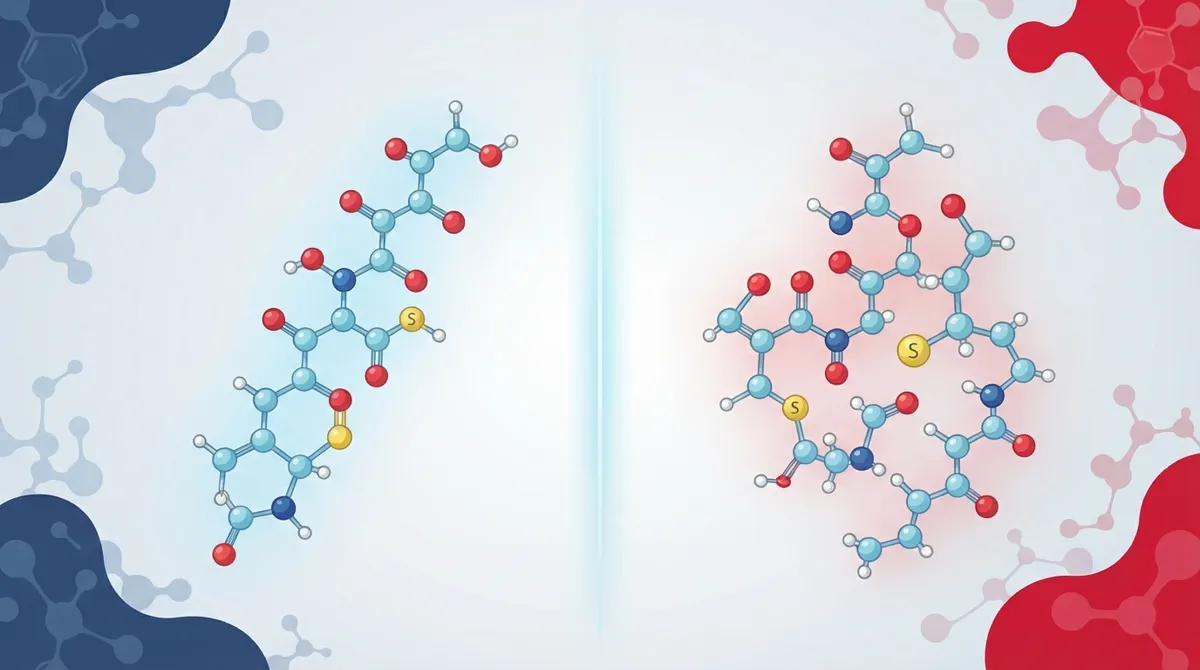
These two names are often mixed up online. They are not interchangeable.
- Epithalon: A lab-made peptide with a defined four-amino-acid sequence.
- Epithalamin: A mixture extracted from animal pineal tissue.
Findings about one should not automatically be applied to the other. When a clinic or website blends the two together, that is a sign to ask more questions.
3. It Is Not FDA-Approved for Any Use
This is the most important regulatory fact. In the United States, Epithalon has no FDA-approved indication. It also has no official prescribing information and no established clinical dose.
That matters because approved medicines go through testing for safety, quality, and effectiveness. Epithalon has not completed that path. Local availability in Tampa does not change its status. If someone offers epithalon therapy in Tampa and calls it proven or approved, treat that claim with caution.
4. The Anti-Aging Claims Are Not Established in People
Online descriptions often promise longevity, slower aging, better sleep, and restored telomeres. Telomeres are the protective caps on the ends of chromosomes. Here is what the research actually shows:
- A 2003 laboratory study reported telomerase-related findings in cultured cells. This is in-vitro evidence, not a clinical outcome.
- Human evidence is limited to small physiological or biomarker studies and an older retinal study with methodological limits.
- A 2026 narrative review found no adequately powered randomized trial establishing efficacy.
In plain terms, cell-dish results do not prove a benefit for a patient. Anyone telling you otherwise is going beyond the data.
5. Sleep Benefits Remain Unproven
Some marketing links Epithalon to better sleep and circadian rhythm. The idea comes from its connection to pineal research. Still, no strong human trial has shown that it improves sleep in a reliable, repeatable way.
If poor sleep is your concern, a proven workup is a better starting point. A clinician can screen for causes such as sleep apnea, stress, thyroid issues, and medication effects. For many adults, treating the real cause delivers far more benefit than guessing with an unapproved product.
6. Human Safety Data Is Thin
FDA materials summarized in recent research report insufficient human safety information for Epithalon-related bulk substances, including for subcutaneous use. Those same sources found no validated human dosing or pharmacokinetic profile.
A lack of reported side effects is not proof of safety. It often just means nobody has studied the product well. Long-term risks are not well understood. Laboratory telomerase findings are not evidence of cancer risk in patients, but they show why long-term safety must be studied rather than assumed.
7. Product Quality Can Vary Widely
Products sold online as research chemicals may not meet the standards expected of approved medicines. Problems can include:
- Unclear identity or strength of the ingredient
- Poor purity or contamination
- Lack of sterility for injectable products
- Dosing uncertainty from vial to vial
Injectable use outside a regulated medical supply chain adds real risk. If you are curious about peptides, insist on transparency about where a product comes from and how it was made. You can also review our guide on how to choose the best peptide therapy provider in Tampa Bay for a practical checklist.
8. How to Evaluate a Tampa Clinic That Offers Peptides
Not every wellness clinic is held to the same standard. When you research epithalon therapy in Tampa, use this simple checklist:
- Confirm the provider is a licensed physician or other licensed clinician.
- Ask whether the product is FDA-approved, compounded, or sold as a research chemical.
- Request a clear explanation of the evidence, including what is unknown.
- Expect a full health history and medication review before any plan.
- Walk away from anyone who guarantees results or hides risks.
A trustworthy clinic is comfortable saying, "The evidence is limited." That honesty is a green flag. Our article on what to look for in a peptide therapy clinic in Tampa offers more detail.
9. Why Primary Care Is the Right Starting Point
Longevity is not built on one injection. It grows from steady, preventive medicine. A primary care team can look at the whole picture: blood pressure, blood sugar, cholesterol, sleep, hormones, nutrition, and cancer screening.
This is where InCare stands apart. As a personalized primary care and wellness clinic serving Tampa and Riverview, InCare combines state-of-the-art technology with medical expertise. You can explore our primary care services to see how prevention-first care works in practice, and you can read why longevity medicine starts with primary care.
10. Evidence-Based Options Worth Discussing Instead
If your real goal is healthy aging, better energy, or improved sleep, several approaches have stronger support than Epithalon. Consider asking a clinician about:
- Preventive screening: Early detection through cancer screening and annual checkups.
- DNA insights: Personalized risk information through DNA gene testing.
- Body data: Trackable measures from body composition analysis.
- Metabolic fitness: A clearer view of your metabolism with metabolic breath analysis.
- Hydration and nutrients: Support options like IV hydration and vitamin drips when appropriate.
- Weight management: Doctor-guided weight loss programs.
These tools give you measurable results and a clear plan. They also fit the way many tech-savvy patients like to manage health: with data, not guesswork.
11. Peptide Therapy Is a Broader Conversation
Epithalon is only one peptide among many. Some peptides have FDA-approved uses, while others remain experimental. Knowing the difference protects you. You can learn more in our overview of peptide therapy in Tampa: benefits and safety, and our explainer on FDA-approved versus compounded peptides.
When you meet with a clinician, bring a list of every supplement and medication you take. Peptides can interact with other treatments, and your doctor needs the full picture to keep you safe.
Quick Comparison: Marketing Claims vs. Evidence
|
Common Claim |
What the Evidence Shows |
Practical Takeaway |
|---|---|---|
|
Slows aging |
No adequately powered human trial establishes this |
Do not rely on it as an anti-aging treatment |
|
Restores telomeres |
Findings come from cultured cells, not patients |
Lab results are not clinical proof |
|
Improves sleep |
Not established in robust human studies |
Seek a proven sleep evaluation first |
|
Safe for injection |
Insufficient human safety data per FDA-related sources |
Safety cannot be assumed |
|
Approved therapy |
No FDA-approved indication in the U.S. |
Be cautious of any "approved" claim |
What to Bring to Your First Visit
Preparation helps your clinician help you. Before a consultation about longevity or peptides, gather the following:
- A list of current medications and supplements
- Any recent lab work or imaging
- Your family health history
- Specific goals, such as better sleep, energy, or weight control
- Questions about any product you have seen advertised
For a step-by-step look at what to expect, see our guide to a first primary care visit in Tampa. You can also stay connected with us on Instagram for wellness updates, or follow our team on Facebook and TikTok.
The Bottom Line on Epithalon Therapy in Tampa
Interest in epithalon therapy in Tampa is understandable. People want to feel better, sleep deeply, and age well. Yet the honest answer is that Epithalon remains unapproved, under-studied in humans, and surrounded by marketing that outpaces the science.
The smartest move is to talk with a licensed clinician who will review your history, explain the evidence, and recommend options you can trust. At InCare, we focus on prevention, technology, and personalized plans built around you. You can see what our InCare patients say on Google, where we hold a 4.8 rating across hundreds of reviews.
Ready to build a healthy-aging plan grounded in evidence? Book your visit with InCare today, or contact our team with questions. Visit us at our Tampa or Riverview location, or start with a virtual appointment.
FAQs
Q: What is Epithalon therapy, and what is it claimed to do?
A: Epithalon is a synthetic four-amino-acid peptide (Ala-Glu-Asp-Gly) promoted in some wellness settings for aging, longevity, and sleep. These benefits have not been established by robust clinical trials in people.
Q: Is Epithalon FDA-approved in the United States?
A: No. Epithalon has no FDA-approved indication, no official prescribing information, and no established clinical dose. Availability at a Tampa clinic does not mean it is approved or proven.
Q: What are the risks of Epithalon injections?
A: Human safety data is limited, and long-term risks are not well characterized. Products sold as research chemicals may also vary in purity, sterility, and dosing, which adds contamination and quality risks.
Q: How is Epithalon different from epithalamin?
A: Epithalon is a lab-made peptide with a defined four-amino-acid sequence. Epithalamin is a mixture extracted from animal pineal tissue, so findings about one should not be applied to the other.
Q: What should I discuss with a primary care clinician instead?
A: Ask about evidence-based options such as preventive screenings, sleep evaluation, metabolic and body composition testing, DNA gene testing, and weight management. A licensed clinician can tailor a plan to your health history and goals.