Key Takeaways
- Regular follow-up visits are essential for chronic disease management; skipping appointments allows care plans to become outdated and prevents early detection of problems that require medication adjustments.
- A written, personalized care plan with specific health goals, medication lists, monitoring schedules, and lifestyle recommendations is fundamental to tracking progress and avoiding costly mistakes in chronic disease management.
- Home monitoring of key health numbers like blood pressure and blood sugar helps identify important trends early; record daily readings and share unusual patterns with your care team immediately.
- Coordinate care between all your providers through a primary care doctor who acts as a central point of contact to prevent conflicting treatment plans and ensure all specialists stay aligned on your health strategy.
Managing a chronic condition takes more than a yearly checkup. If you live with diabetes, high blood pressure, heart disease, or another long-term illness, small missteps can slow your progress and put your health at risk. Many Tampa-area patients unknowingly make errors that lead to poor control, wasted appointments, and preventable complications. Whether you're a busy parent juggling family health needs, a wellness-focused professional trying to stay ahead of disease, or a senior managing multiple conditions, knowing what to avoid matters as much as knowing what to do. This guide walks through 11 common mistakes people make with chronic disease management in Tampa and explains how a coordinated primary care approach can help you avoid them. With the right plan, regular monitoring, and a care team that actually communicates, you can protect your health and avoid costly setbacks. Let's look at what goes wrong and how to fix it.

1. Skipping Regular Follow-Up Visits
One of the biggest mistakes patients make is treating chronic disease management like a one-time event. Conditions such as diabetes, COPD, and high cholesterol change over time. Without scheduled follow-ups, your care plan quickly becomes outdated. Regular visits allow your provider to adjust medications, review lab results, and catch problems early. Many patients benefit from same-day appointments when symptoms flare up unexpectedly.

2. Not Having a Written, Personalized Care Plan
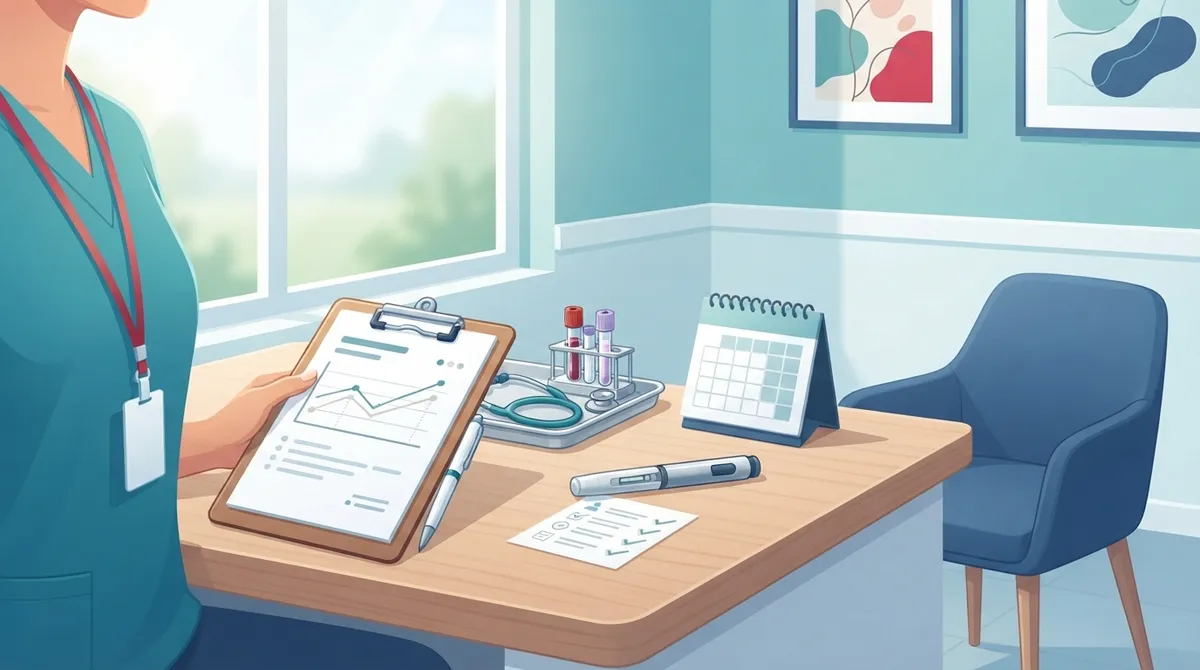
Chronic disease management works best when it follows a clear, individualized plan. A written plan should include your goals, medications, monitoring schedule, and lifestyle targets. Without this structure, it's easy to lose track of what's working and what isn't. A primary care provider can build this plan with you and update it as your health changes.
What a Strong Care Plan Should Include
- Specific, measurable health goals (blood pressure targets, A1C levels, weight goals)
- A medication list with dosages and timing
- A monitoring schedule for labs, vitals, and symptoms
- Lifestyle recommendations tailored to your daily routine
- A plan for coordinating with specialists when needed
3. Ignoring Medication Reviews
Many patients with chronic conditions take multiple medications. Without regular review, this can lead to duplicate prescriptions, harmful interactions, or outdated dosages. A thorough medication review should happen at every visit. If you take medications from more than one provider, ask your Tampa primary care team to review your prescription management routine to catch issues before they become serious.
4. Failing to Track Key Health Numbers at Home
Blood pressure, blood sugar, and weight can shift daily. Waiting until your next appointment to check these numbers means missing important trends. Home monitoring helps you and your provider spot problems early. Consider these numbered steps for better tracking:
- Ask your provider which numbers matter most for your condition.
- Get a reliable home device (blood pressure cuff, glucose meter, or scale).
- Record readings at the same time each day for consistency.
- Bring your log to every appointment.
- Share unusual patterns with your care team right away.
5. Not Coordinating Care Between Specialists
Chronic conditions often involve more than one doctor. Diabetes may require an endocrinologist. Heart disease may involve a cardiologist. Without coordination, test results and treatment plans can conflict. A primary care doctor acts as the central point of contact, making sure all your providers stay on the same page. This is one of the strongest arguments for coordinated care over fragmented care.
6. Overlooking Lifestyle Support
Medication alone rarely solves chronic disease. Nutrition, physical activity, weight management, and stress reduction all play a role in long-term control. Skipping this piece of the puzzle often leads to slower progress. InCare's weight loss programs are designed to work alongside medical treatment, not replace it, giving patients a fuller path to better health.
Common Lifestyle Gaps to Address
|
Lifestyle Factor |
Common Mistake |
Better Approach |
|---|---|---|
|
Nutrition |
No structured plan |
Personalized dietary guidance |
|
Physical Activity |
Inconsistent or none |
Gradual, condition-appropriate exercise plan |
|
Tobacco Use |
No cessation support |
Structured quit plan with provider support |
|
Sleep |
Ignored as a factor |
Addressed as part of overall health |
7. Not Understanding Medicare Chronic Care Management Benefits
Many Medicare patients don't realize they may qualify for Chronic Care Management (CCM) services. According to the Centers for Medicare & Medicaid Services (CMS), CCM is available to beneficiaries with two or more qualifying chronic conditions expected to last at least 12 months, or until death, that create a significant risk of decline. CCM includes a comprehensive electronic care plan, structured health record keeping, and coordinated communication between providers. An initiating visit is required before CCM begins for new patients or those not seen within the past year. Ask your provider whether your Medicare-eligible care includes this benefit, since eligibility, consent, and cost-sharing details vary by practice and plan.
8. Skipping Preventive Screenings That Catch Problems Early
Chronic disease management isn't only about treating existing conditions. It also means watching for new problems before they grow serious. Many patients delay important screenings, which can allow silent conditions like high cholesterol or early kidney disease to go undetected. Regular cancer screenings and routine labs should be part of your ongoing plan, not an afterthought.
9. Not Asking About Telehealth Options
Some patients skip follow-up care simply because getting to an appointment feels inconvenient. This is a mistake that often leads to gaps in monitoring. Many Tampa practices, including InCare, now offer virtual visits for medication checks, symptom reviews, and follow-up consultations. Telehealth can fill in the gaps between in-person visits, especially for patients managing stable chronic conditions who need quick check-ins rather than full exams.
10. Choosing a Provider Without Verifying Services and Insurance
Not every practice offers the same scope of chronic disease services. Some clinics may lack in-house lab testing, telehealth options, or coordination with specialists. Before committing to a practice, confirm what conditions they manage, whether they accept your insurance, and how they handle referrals. Reviewing our provider team and their areas of focus can help you find a good fit for your specific health needs.
Questions to Ask Before Choosing a Provider
- Which chronic conditions does this practice regularly manage?
- Does the office offer telehealth follow-ups?
- How quickly can I get a same-day or urgent appointment?
- Does the practice coordinate directly with specialists and pharmacies?
- What insurance plans, including Medicare, does the office accept?
11. Waiting Too Long to Start Care
The final and most common mistake is delaying care altogether. Many people wait until symptoms become severe before seeing a doctor. By then, conditions like hypertension or diabetes may have already caused damage. Early diagnosis and consistent management lead to far better outcomes. If you don't yet have a regular provider, learn whether you need a PCP and take the first step toward a long-term care relationship.
How InCare Approaches Chronic Disease Management in Tampa
At InCare, chronic disease management combines medical expertise with modern tools. Our Tampa and Riverview locations offer personalized care plans, regular monitoring, and coordination with specialists when needed. We also connect chronic care with broader wellness services, including IV hydration therapy, DNA gene testing, and body composition analysis, giving patients a fuller picture of their health. Our providers, including Dr. Pramjeet Ahluwalia, work closely with patients to build sustainable, realistic care plans. You can also explore our Tampa and Riverview locations to find the option that fits your schedule.
Patients consistently share positive experiences with our team, and you can visit us on Google — InCare to read what current patients say about their care. We also share health tips and clinic updates on Facebook, Instagram, and TikTok, so you can stay connected between visits.
Bringing It All Together
Chronic disease management works best when it's proactive, coordinated, and personalized. Avoiding these 11 common mistakes can help you stay ahead of complications and get more value from every appointment. Whether you're managing diabetes, heart disease, or another long-term condition, the right primary care team makes all the difference. According to the CDC, chronic conditions remain a leading cause of death and disability in the United States, which makes consistent management even more important for long-term health.
If you're ready to build a stronger, more coordinated approach to your health, our team is here to help. Reach out to our care team today or schedule your appointment online to start your personalized chronic disease management plan in Tampa or Riverview.
FAQs
Q: What does chronic disease management include at a Tampa primary care clinic?
A: Chronic disease management typically includes a personalized care plan, regular monitoring, medication reviews, and lifestyle support. It also involves coordination with specialists and clear follow-up schedules to track progress over time. Scope of services can vary by practice, so confirm specifics with your provider.
Q: Which chronic conditions can a primary care doctor in Tampa help manage?
A: Primary care providers commonly manage diabetes, hypertension, heart disease, COPD, asthma, high cholesterol, chronic kidney disease, thyroid disorders, and arthritis. Not every practice offers the same scope, so it's worth asking which conditions a specific clinic regularly treats.
Q: Does Medicare cover chronic care management in Tampa, and who qualifies?
A: Medicare's Chronic Care Management benefit is available to beneficiaries with two or more qualifying chronic conditions expected to last at least 12 months. An initiating visit is required before CCM services begin, and patients should confirm eligibility, consent, and cost-sharing details directly with their provider.
Q: Are telehealth visits available for chronic disease follow-up in Tampa?
A: Many Tampa-area practices, including InCare, offer telehealth options for medication checks and follow-up visits. Availability depends on the specific practice and the nature of your condition, so it's best to ask directly when scheduling.
Q: How often should I see my primary care provider for a chronic condition?
A: Follow-up frequency depends on your condition and how well it's controlled. Many patients benefit from visits every three to six months, though some conditions require more frequent monitoring. Your care plan should be revisited whenever symptoms, medications, or test results change.