
Key Takeaways
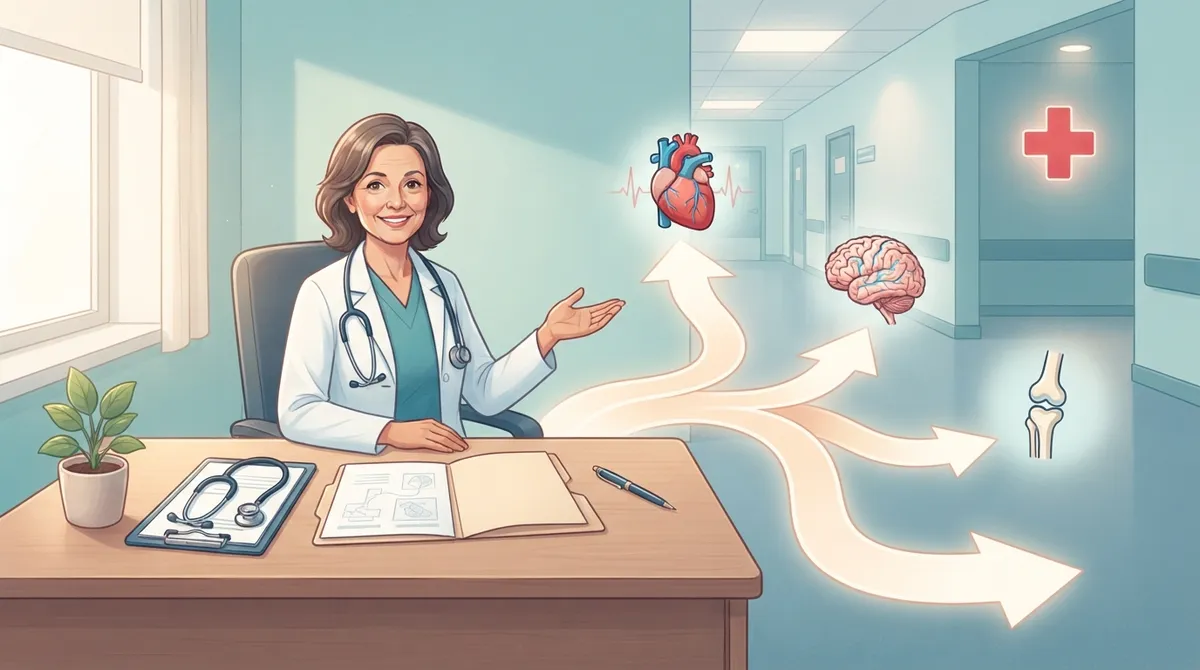
- Start with primary care for new, unclear, or non-emergency concerns; it sorts out the cause and directs you to the right specialist. Emergencies like chest pain or stroke signs need immediate care instead.
- Check your insurance before booking, since some plans require a primary care referral to cover a specialist while others allow direct access.
- Keep your primary care doctor even when a specialist is involved, so duplicate tests and conflicting prescriptions are avoided and someone oversees your whole health.
- Ask why you were referred, confirm your records will be shared, and request the specialist's notes so your primary care doctor stays informed and follow-up is clear.
Few health decisions cause more confusion than this one: should you see a primary care doctor or a specialist? Many people guess, book the wrong visit, and lose time and money. Others skip care altogether because they are unsure where to start. In 2026, the question matters more than ever, because access to care is tighter in many communities.
The good news is that the two roles are not rivals. They work as a team. Understanding primary care vs specialist care helps you pick the right door the first time. This guide breaks down 10 clear points, from what each doctor does to when you need a referral.
Whether you are a busy parent, a young professional, or someone focused on prevention and wellness, these answers will help you plan smarter. We also explain how a coordinated clinic like InCare primary care keeps everything connected.
1. Primary Care Is Your Health Home Base
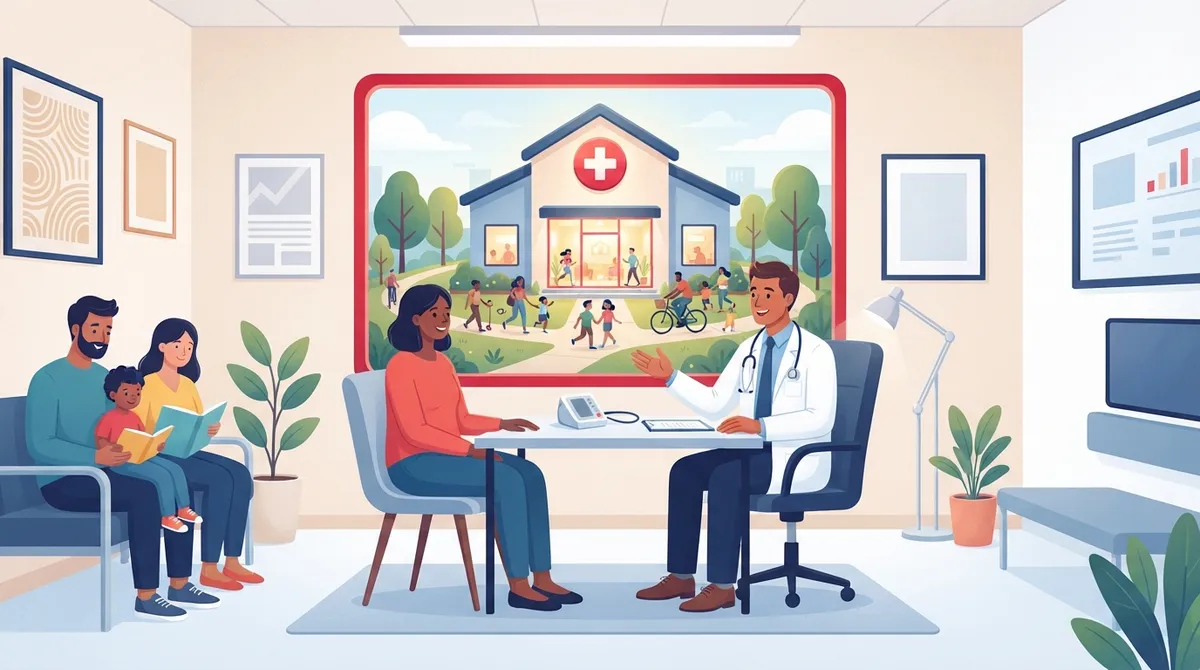
Primary care is usually your first stop for new, routine, and ongoing health needs. In the United States, it is commonly provided by family medicine, internal medicine, and pediatric clinicians. Nurse practitioners and physician assistants also play a big part.
A primary care clinician looks at the whole person. They do not focus on one organ or one disease. They track your history over time, which helps them spot changes early.
Primary care typically covers:
- Annual checkups and wellness visits
- Vaccines and preventive screenings
- New symptoms such as fatigue, pain, or cough
- Management of common conditions like high blood pressure and diabetes
- Referrals and care coordination
To see what a full visit looks like, read about what happens during an annual physical exam.
2. A Specialist Brings Deep, Focused Expertise
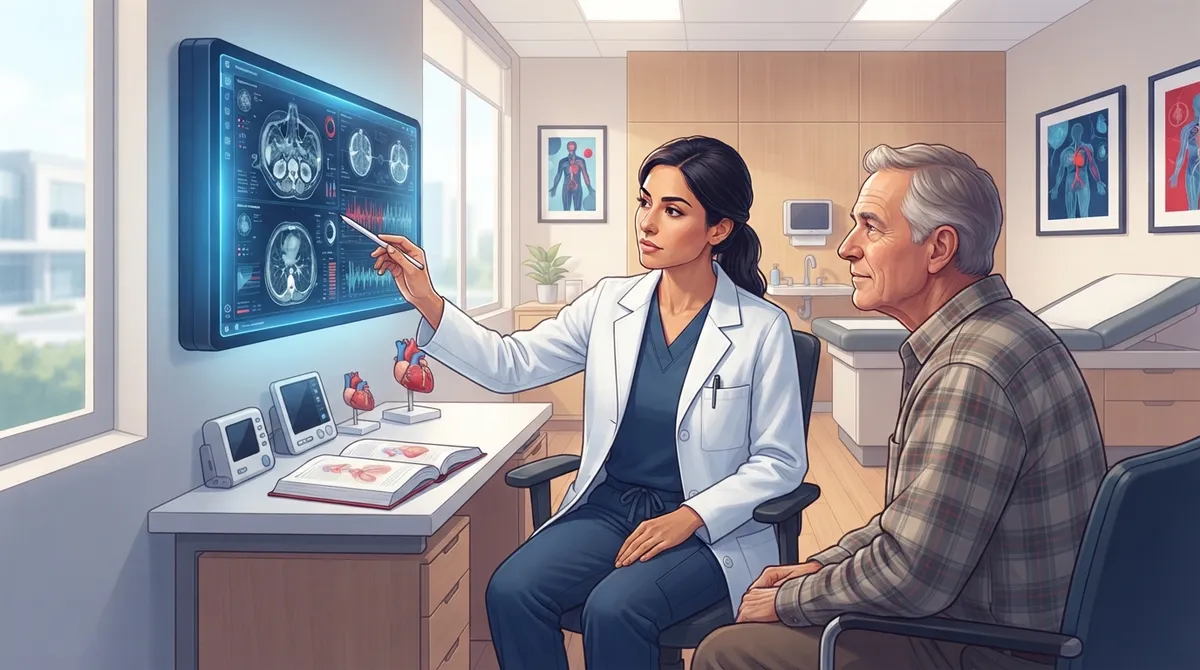
A specialist has advanced training in one organ system, disease, or patient group. Examples include cardiology, dermatology, endocrinology, and oncology. Their strength is depth, not breadth.
Specialist care is often the right fit for complex, uncommon, severe, or treatment-resistant problems. It also fits when you need a procedure or a specialized test that primary care cannot provide.
Think of it this way. A primary care doctor sees the whole map. A specialist zooms in on one neighborhood and knows every street.
3. The Two Roles Work Together, Not Against Each Other
Primary care and specialist care are complementary. They are not competing choices. A primary care clinician helps decide which specialist you need. They share your history and test results, then fold the specialist's advice into your overall plan.
This teamwork matters because your health is connected. A heart medicine can affect your kidneys. A diabetes plan can affect your eyes and feet. Someone needs to see all of it at once, and that is the job of primary care.
Learn more about this approach in our guide to comprehensive primary care and why it matters.
4. Quick Comparison: Primary Care vs Specialist
This table gives you a fast side-by-side view of the two types of care.
|
Feature |
Primary Care |
Specialist |
|---|---|---|
|
Scope |
Whole-person, broad |
One organ system or disease |
|
Typical first stop? |
Yes, for most concerns |
Usually by referral or known diagnosis |
|
Focus |
Prevention and ongoing care |
Diagnosis and treatment of specific conditions |
|
Relationship |
Long-term, years or decades |
Often episodic or condition-based |
|
Examples |
Checkups, vaccines, chronic care |
Cardiology, dermatology, oncology |
|
Role in coordination |
Leads and coordinates |
Advises and treats within a field |
5. Where Should You Start? A Simple Decision Guide
Choosing where to begin depends on urgency and the type of problem. Use these steps as a general guide.
- Check for an emergency. Chest pain, trouble breathing, stroke signs, or severe bleeding need emergency services right away. Do not wait for a routine appointment.
- Ask if you have a known condition. If a specialist already manages it, follow up with that specialist.
- Decide if the concern is new and unclear. Start with primary care. They can sort out the cause and point you to the right expert.
- Check your insurance rules. Some plans require a referral. Others allow direct access.
- Book the visit and bring your records. Having your history ready saves time.
If you have a sudden, non-life-threatening issue, urgent care can also help. Our guide on primary care vs. urgent care explains the difference.
6. Conditions Primary Care Can Handle Well
Many people are surprised by how much a primary care clinic can treat. You may not need a specialist for a large share of everyday health concerns.
Common examples include:
- High blood pressure and high cholesterol
- Type 2 diabetes and prediabetes
- Asthma and seasonal allergies
- Thyroid concerns
- Weight management and metabolic health
- Mild anxiety, low mood, and sleep problems
- Cancer screenings and early detection
Modern clinics also offer advanced wellness tools under one roof. At InCare, patients can access medical weight loss, DNA gene testing, and cancer screening without bouncing between offices. For more detail, see how primary doctors help manage chronic illnesses.
7. Signs It May Be Time for a Specialist
Your primary care clinician will often tell you when it is time to see a specialist. You can also raise the question yourself. A referral is commonly a good idea when:
- Your symptoms do not improve with standard treatment
- A test shows an unusual or serious result
- You need a procedure, such as surgery or a biopsy
- Your condition is rare or complex
- You want a second opinion from an expert in one field
A referral does not mean your primary care doctor failed. It means your care is growing to match your needs. Good clinicians welcome that step.
8. Care Coordination Can Break Down, So Stay Involved
Coordination between doctors is not always smooth. The Agency for Healthcare Research and Quality notes that patients may not know why they were referred or what to do afterward. Specialists may lack referral details or past test results. Primary care clinicians may never hear back about the specialist visit.
You can protect yourself with a few simple habits:
- Ask why you are being referred and what question the specialist should answer
- Confirm that your records and test results will be shared
- Ask who will manage follow-up after the visit
- Request a copy of the specialist's notes for your primary care doctor
For help moving your files, see our steps for a medical records request in primary care. You can also read about fragmented care vs. coordinated care.
9. Keep Your Primary Care Doctor Even With a Specialist
Many patients stop seeing their primary care doctor once a specialist is involved. That is usually a mistake. A specialist may lead treatment for one disease, while primary care continues preventive care and manages your other health needs.
The best split of duties depends on your condition, your clinicians, and your situation. Make it explicit. Ask both offices who handles medication changes, lab orders, and follow-up visits.
Staying connected to primary care also helps you avoid duplicate tests and conflicting prescriptions. For tips on keeping your medicines in order, see these prescription management tips.
10. Access, Insurance, and Workforce Realities in 2026
Access to care varies by location and health plan. Some plans require a primary care referral before they cover a specialist. Others allow you to book directly. Always check your plan rules and network before you schedule.
The national picture also shapes your experience:
- More than 30% of U.S. adults lacked a usual source of care in 2022, the highest level in a decade, according to the Milbank Memorial Fund.
- HRSA counted 8,466 primary care shortage areas as of December 2025, covering about 92 million residents, or roughly 27% of the population.
- HRSA projects a shortage of 70,610 full-time-equivalent primary care physicians by 2038.
These numbers show why having an established primary care relationship is valuable. When a clinic knows you, you can often get seen faster and get better guidance. If you are searching for a new doctor, see how to find doctors accepting new patients near you.
Why Patients Choose InCare for Coordinated Care
InCare is a personalized primary care and wellness clinic serving Tampa and Riverview, Florida. The team combines medical expertise with state-of-the-art technology, from metabolic breath analysis to AI-powered body composition tracking. That means many needs can be handled in one place, and referrals are handled with care when a specialist is truly needed.
Patients also value the clinic's reputation. InCare holds a 4.8 out of 5 rating on Google, with praise for friendly staff and attentive providers. You can see what our InCare patients say on Google and meet the physicians on our providers page. You can also follow our wellness tips on Instagram, Facebook, and TikTok.
For busy families, young professionals, and prevention-minded adults, this setup saves time. Virtual visits are available too, so you can start a conversation without leaving home. If you are comparing options in Riverview, read general practitioner vs. specialist in Riverview.
Conclusion: Start With Primary Care, Add Specialists as Needed
The primary care vs specialist question has a simple answer for most people. Start with primary care for new concerns, prevention, and ongoing health. Add a specialist when you need deep expertise, a procedure, or help with a complex condition. Keep both teams talking, and stay involved in the handoffs.
If you are ready to build a strong health foundation in the Tampa Bay area, book your visit with InCare today. Have questions first? Contact our team and we will help you find the right next step.
FAQs
Q: What is the difference between primary care and specialist care?
A: Primary care provides broad, ongoing, and preventive care for the whole person and is usually your first point of contact. A specialist has advanced training in one organ system, disease, or patient group. The two work best as a team, with primary care coordinating the big picture.
Q: Should I see a primary care doctor or a specialist first?
A: For a new, non-emergency concern or general health needs, primary care is usually the best starting point. If you already have a known condition that needs specialized management, a specialist may be appropriate. Severe or life-threatening symptoms require emergency services instead of a routine appointment.
Q: Can I see a specialist without a referral?
A: It depends on your health plan. Some plans require a primary care referral for specialist coverage, while others allow direct access. Check your plan's rules and provider network before you schedule to avoid unexpected costs.
Q: Do I need to keep seeing my primary care doctor if I have a specialist?
A: Yes, in most cases. A specialist may lead treatment for one condition, while your primary care clinician continues preventive care and manages your other health needs. Staying connected also helps prevent duplicate tests and conflicting medications.
Q: When should my primary care doctor refer me to a specialist?
A: A referral is common when symptoms do not improve with standard treatment, a test shows an unusual result, or you need a procedure or specialized evaluation. It is also appropriate for rare or complex conditions and when you want an expert second opinion.


