Key Takeaways
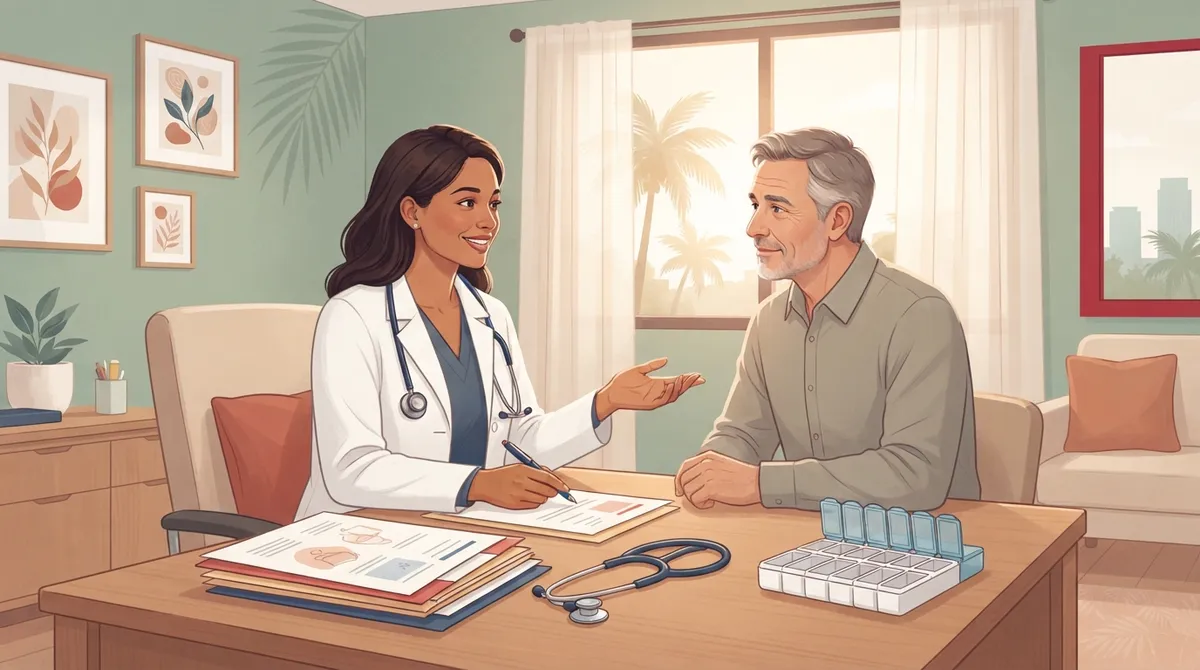
- Florida requires an in-person physical exam for an initial medical cannabis certification, so be cautious of any clinic offering a first certification without one.
- Verify that your certifying physician holds an active, unrestricted Florida MD or DO license and has completed the required two-hour course and exam via the Florida Department of Health's OMMU.
- Patients must have at least one qualifying condition under Florida law; a compassionate physician confirms your diagnosis with records and tells you honestly if you do not qualify.
- Bring your full medical records and a complete list of medications and supplements, since cannabis can interact with sedatives and blood thinners.
- Florida patients must buy products from licensed Medical Marijuana Treatment Centers, and a clinic that separates evaluation from product sales is a sign of integrity.
- Renewal evaluations are required at least every 30 weeks, and telehealth may be used for renewals when state requirements are met.
Many Tampa adults wonder if medical cannabis could fit into their health plan. The question is a fair one. Yet the path is not always clear, and the quality of care can vary widely. In 2026, Florida had 930,643 qualified patients with active ID cards as of December 5, 2025, according to the state's annual report. That is a large community, and every patient deserves thoughtful, honest guidance.
So what does compassionate medical cannabis care in Tampa actually look like? It means a qualified physician listens first. They review your history, explain risks and benefits, and follow state law closely. They do not promise cures. They treat cannabis as one possible tool within your broader primary care plan.
This guide gives you 10 clear signs of that kind of care. You will also see how Florida's rules work, what to bring to a visit, and where to buy products legally. Use it to judge any clinic with confidence.
Why Compassion Matters in Medical Cannabis Care
Medical cannabis is a health decision, not a trend. Patients often come in with chronic pain, anxiety, sleep trouble, or a serious diagnosis. They want relief, and they want respect.
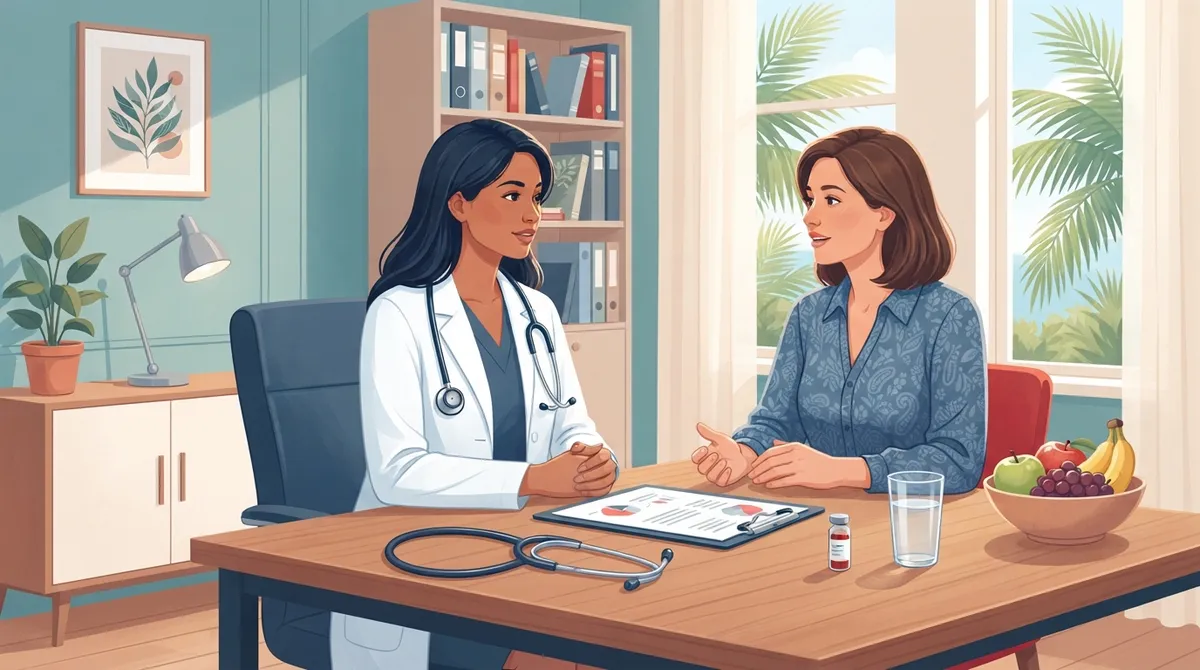
Compassionate care starts with the same habits you expect from any good doctor. The physician asks about your goals. They explain options in plain words. They check how cannabis might interact with your medicines. They also plan follow-up visits so you are never left alone with questions.
This is why many patients prefer to start with a primary care team. A clinic that knows your whole health picture can spot problems early. It can also coordinate with your other doctors. If you are still choosing a doctor, our guide on how to choose the best primary care near you in Tampa is a helpful starting point.
10 Signs of Compassionate Medical Cannabis Care in Tampa
1. The Physician Is Qualified Under Florida Law
Florida requires a certifying physician to hold an active, unrestricted Florida physician or osteopathic physician license. The doctor must also complete a required two-hour course and pass an examination before ordering medical marijuana or low-THC cannabis.
Ask about this up front. A caring clinic will answer without hesitation. You can also verify credentials through the Florida Department of Health's Office of Medical Marijuana Use (OMMU).
2. The First Visit Includes an In-Person Exam
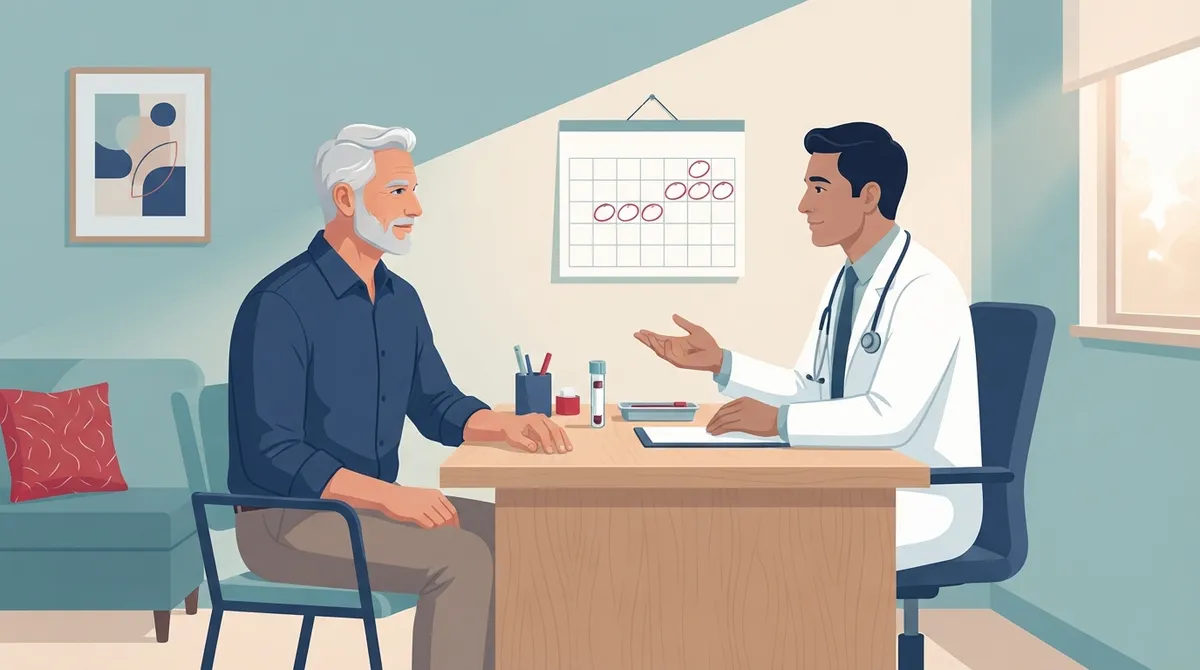
For an initial certification, Florida law requires an in-person physical examination by the qualified physician. This protects you. It means the doctor sees you, checks your health, and confirms your diagnosis.
Be cautious of any offer that skips this step for a first certification. A real exam is a sign of lawful, patient-first care.
3. Your Qualifying Condition Is Reviewed Carefully
Florida allows medical cannabis only for patients with at least one qualifying condition. Common examples include:
- Cancer and epilepsy
- Glaucoma and HIV/AIDS
- Post-traumatic stress disorder (PTSD)
- ALS, Crohn's disease, Parkinson's disease, and multiple sclerosis
- Terminal conditions
- Chronic nonmalignant pain
- Conditions comparable to those listed in state law
A compassionate physician confirms your diagnosis with your records. They do not stretch the rules to fit your request. If you do not qualify, they tell you honestly and discuss other options.
4. Your Full Medical History Gets Real Attention
The physician must review your medical history and your prescription drug history. This step matters for safety. Cannabis can interact with some medicines, including sedatives and blood thinners.
A caring clinic takes time here. They ask about every medication and supplement you use. If you take many prescriptions, our article on prescription management tips for better health in 2026 can help you get organized before your visit.
5. Benefits and Risks Are Explained Honestly
Florida law requires the physician to document that the likely benefits outweigh the risks. Good doctors go further. They explain possible side effects, such as drowsiness, dizziness, or dry mouth. They also discuss who should be cautious.
Honest care avoids big promises. Cannabis does not work the same way for everyone. A trustworthy physician says so plainly and sets realistic expectations.
6. Informed Consent Is a Real Conversation
You must give informed consent before certification. In a compassionate clinic, this is not just a form to sign. The doctor makes sure you understand your choices, your rights, and the legal limits.
You should feel free to ask any question. You should also feel free to say no. Pressure has no place in good medicine.
7. Other Treatment Options Are on the Table
Cannabis should not be the only idea discussed. A thoughtful physician talks about other treatments too. These may include physical therapy, lifestyle changes, sleep care, or standard medicines.
If poor rest is part of your story, you may find our guide on how to know when to see a doctor for poor sleep useful. The goal is the best plan for you, not a single product.
8. Clinical Care Is Kept Separate From Product Sales
This is a key sign of integrity. In Florida, patients obtain products from licensed Medical Marijuana Treatment Centers (MMTCs). A certifying clinic is not a dispensary unless it is separately authorized as one.
When a clinic keeps evaluation separate from sales, its advice stays focused on your health. You can learn more about trustworthy practices in our article on 8 signs of a reputable medical marijuana clinic in Tampa.
9. The Team Helps With the Registry Process
After certification, you must apply for an OMMU registry ID card. State guidance says an approval email can be used to fill an order at an approved MMTC while your physical card is mailed. As of December 5, 2025, the annual report listed a processing time of five business days for a complete application and five business days for card printing. These times can change.
A compassionate clinic walks you through each step. They explain what to expect, so you are not left guessing.
10. Follow-Up Is Built Into the Plan
Florida law requires a qualified physician to evaluate you at least once every 30 weeks before issuing a renewal certification. Eligible renewal exams may be done by telehealth when state requirements are met.
Caring clinics do more than meet this minimum. They check in on how you feel, adjust the plan when needed, and keep your primary care record up to date. If renewal is on your mind, read how do you renew a medical marijuana card in Tampa.
How Florida's Medical Cannabis Process Works
Florida's Medical Marijuana Use Program is state-regulated and overseen by the OMMU. It is not the same as recreational access. Understanding the steps helps you spot good care.
Step-by-Step Overview
- Schedule an in-person visit with a qualified Florida physician.
- Bring your medical records and a list of current medications.
- Complete the exam, history review, and informed consent discussion.
- Receive certification if you have a qualifying condition and the benefits outweigh the risks.
- Apply for your OMMU registry ID card.
- Use your approval email or card to order from a licensed MMTC.
- Return for follow-up and renewal at least every 30 weeks.
Being prepared makes the visit smoother. Our guide on what to bring to a medical cannabis visit lists what to gather in advance.
Quick Reference: Florida Requirements
|
Requirement |
What It Means for You |
|---|---|
|
Qualifying condition |
You need at least one condition recognized under Florida law |
|
Physician certification |
A qualified Florida physician must certify you |
|
Initial exam |
Must be done in person |
|
Renewal exam |
Can be done by telehealth if state requirements are met |
|
Renewal timing |
Evaluation at least every 30 weeks |
|
Registry ID card |
Active OMMU card needed to buy from an MMTC |
|
Purchasing products |
Only from licensed Medical Marijuana Treatment Centers |
What to Discuss With Your Primary Care Doctor
Medical cannabis works best when it fits into your overall care. Before you start, talk through a few key topics with your doctor:
- Your health goals and what relief you hope to find
- Every medicine and supplement you currently take
- Past reactions to sedating or mood-altering drugs
- Your work, driving, and safety needs
- Plans for follow-up and symptom tracking
This kind of coordination is a strength of primary care. When one team knows your full story, your care feels connected, not fragmented. If you are comparing doctors, you may also like our guide to the best primary care doctor in Tampa and how to choose in 2026.
Common Mistakes to Avoid
Patients sometimes run into trouble by moving too fast. Watch for these red flags:
- Promises that cannabis will cure a condition
- Offers to certify you with no exam and no records
- Pressure to buy products at the same clinic
- No plan for follow-up or renewal
- Vague answers about the doctor's Florida qualifications
If you see any of these signs, pause and ask more questions. Good care welcomes your questions.
Why Patients Choose a Whole-Person Approach
Tech-savvy professionals, busy parents, and wellness seekers all share one need. They want care that respects their time and their health. A modern primary care clinic can offer clear scheduling, plain-language answers, and a plan that looks at the whole body.
InCare is a personalized healthcare clinic in Tampa and Riverview that blends medical expertise with advanced technology. Our team focuses on prevention, whole-body optimization, and honest conversations about your options. We believe compassionate care begins with listening and ends with a plan you understand.
You can see what our patients say by visiting us on Google. Visit us on Google — InCare to read InCare reviews. You can also follow our updates on Instagram, Facebook, and TikTok.
Conclusion: Choose Care That Listens First
Compassionate medical cannabis care in Tampa is not about quick approvals. It is about a qualified physician, an in-person exam, honest talk about risks, and steady follow-up. It also means keeping clinical care separate from product sales and fitting cannabis into your wider health plan.
Use these 10 signs as a checklist. If a clinic meets them, you are likely in good hands. If you have questions about your options, we are here to help. Book Now to talk with our team, or contact InCare and let us guide you toward the right next step.
FAQs
Q: How do I qualify for a medical marijuana card in Tampa, Florida?
A: You need at least one qualifying condition and a certification from a qualified Florida physician. After certification, you apply for an active Medical Marijuana Use Registry ID card through the Office of Medical Marijuana Use.
Q: Does Florida require an in-person visit for an initial medical cannabis certification?
A: Yes. Florida law requires an in-person physical examination by the qualified physician for an initial certification. Eligible renewal examinations may be done by telehealth when state requirements are met.
Q: Where can Florida medical cannabis patients legally buy products?
A: Patients obtain products from licensed Medical Marijuana Treatment Centers. A certifying clinic does not dispense products unless it is separately authorized as a dispensing center.
Q: How often do Florida medical cannabis certifications need to be renewed?
A: Florida law requires a qualified physician to evaluate a patient at least once every 30 weeks before issuing a renewal certification. Your physician will help you plan these visits.
Q: What should I discuss with my primary care doctor before using medical cannabis?
A: Discuss your health goals, all current medicines and supplements, past drug reactions, and your follow-up plan. This helps your doctor check for interactions and keep your care coordinated.