

Key Takeaways
- Always confirm insurance acceptance by calling the practice directly before booking, as networks change frequently and online information may be outdated, preventing surprise bills and wasted appointments.
- Choose a conveniently located practice near your home, workplace, or school to increase appointment adherence, especially for routine visits and chronic condition management that are easy to skip.
- Ask whether you'll have a dedicated primary care physician or rotating providers, as continuity of care is crucial for managing chronic conditions like diabetes and hypertension effectively.
- Inquire about the full scope of services offered beyond sick visits, including preventive screenings, chronic disease management, wellness programs, and specialty care coordination before selecting a provider.
Searching for a primary care doctor in Tampa can feel overwhelming. With large health systems, independent practices, and community clinics scattered across the city, many people make avoidable mistakes that delay care or lead to a poor fit. Whether you are a busy parent juggling appointments, a young professional new to Tampa, or someone finally ready to establish care after years without a checkup, knowing what pitfalls to avoid can save you time, money, and frustration.
This guide walks through the most common mistakes Tampa residents make when choosing a primary care doctor. Avoiding these errors helps you find a provider who fits your health needs, budget, and schedule. At InCare, we see firsthand how the right primary care relationship changes lives, and we want you to make an informed choice, whether or not that choice is with us.

1. Choosing a Doctor Without Confirming Insurance Acceptance
One of the biggest mistakes patients make is scheduling an appointment before verifying insurance coverage. A practice may look great online, but that does not guarantee it accepts your specific plan. Insurance networks change often, and a doctor who accepted your plan last year might not this year.
Before booking, call the office directly and confirm they accept your insurance. Also check with your insurer to make sure the provider is in-network. This simple step prevents surprise bills and wasted appointments.
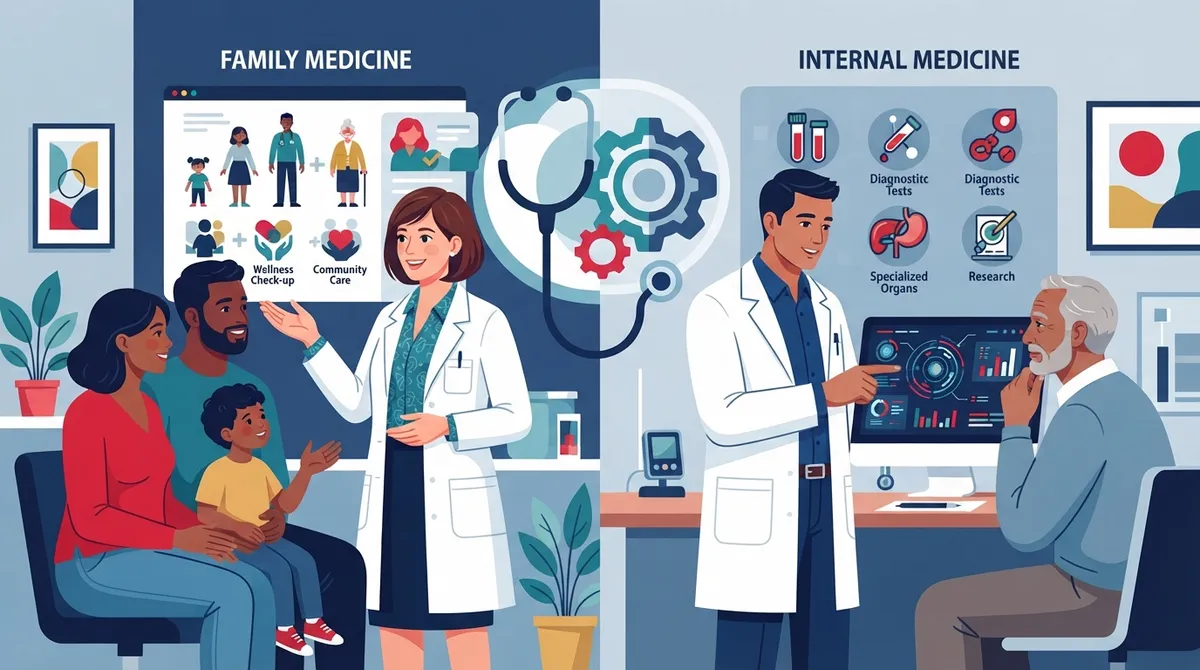
2. Not Understanding the Difference Between Family Medicine and Internal Medicine
Many patients don't realize there's a difference between family medicine and internal medicine doctors. This mistake can lead to choosing the wrong type of care for your household.
Family medicine physicians treat patients of all ages, from infants to seniors. This makes them a strong choice for households with children. Internal medicine physicians, on the other hand, focus on adult patients, typically age 18 and older. If you want one doctor for your entire family, family medicine may be the better fit. If you're seeking adult-focused, in-depth care, an internal medicine doctor might serve you better.
Quick Comparison Table
|
Provider Type |
Typical Patients |
Best For |
|---|---|---|
|
Family Medicine |
All ages, including children |
Whole-family care |
|
Internal Medicine |
Adults 18+ |
Complex adult health needs |
|
Pediatrician |
Children only |
Infant and child-specific care |
3. Skipping the Check on New Patient Availability
Not every Tampa practice accepts new patients at all times. Some clinics have waitlists lasting weeks or months. Assuming you can walk in or get a quick appointment is a common mistake that leads to delays in care.
Always ask directly: "Are you currently accepting new patients?" Some practices update this information online, but it's best to confirm by phone. If you need care soon, ask about same-day appointment options as well.
4. Ignoring Location and Travel Time
A doctor across town might have great reviews, but if the drive takes 45 minutes each way, you may skip appointments altogether. This is especially true for routine visits like annual physicals or chronic condition follow-ups.
Consider practices near your home, workplace, or your child's school. In the Tampa Bay area, options range from downtown Tampa to Riverview and surrounding communities. Choosing a convenient location increases the odds you'll actually keep your appointments.
5. Overlooking Telehealth and Virtual Care Options
Some Tampa practices offer telehealth visits, but not every visit type qualifies for virtual care. Assuming all appointments can happen remotely is a mistake that can delay necessary in-person exams.
Ask your practice which services are available through telemedicine and which require an office visit. Conditions like sore throats, medication refills, or follow-up check-ins often work well virtually. Physical exams, bloodwork, and certain screenings typically require an in-person visit.
6. Not Asking About Continuity of Care
Some larger practices rotate patients among multiple providers. This can mean you rarely see the same doctor twice. For patients managing chronic conditions like diabetes or high blood pressure, this lack of continuity can hurt long-term outcomes.
Ask whether you'll have a dedicated primary care physician or if you'll be assigned to whoever is available. Continuity matters for managing chronic illnesses effectively, since one doctor familiar with your history can catch changes faster than a rotating team.
7. Forgetting to Ask About Referral and Coordination Processes
Primary care doctors often serve as the starting point for specialist referrals. If your chosen doctor doesn't coordinate well with specialists, you may face delays getting the care you need.
Ask how the practice handles referrals for cancer screenings, cardiology, or other specialty care. A well-coordinated practice reduces gaps in your care and keeps your health records organized. Learn more about how coordinated care compares to fragmented care before choosing a provider.
8. Choosing Based on Price Alone Without Checking for Sliding-Scale Options
Cost is a real concern for many Tampa residents, especially those without insurance. But choosing the cheapest option without researching quality can backfire. On the other hand, assuming you can't afford care at all is also a mistake.
Some Tampa-area clinics, including community health centers, offer income-based sliding-fee programs for self-pay patients. These programs typically require proof of income at your first visit and annually after that. Before ruling out a practice due to cost, ask directly about payment options and available discounts.
9. Not Researching the Full Scope of Services Offered
Many patients think of primary care as only sick visits and prescription refills. This narrow view causes people to miss out on valuable preventive services available at many Tampa clinics.
A strong primary care practice often offers much more, including:
- Annual wellness visits and physical exams
- Chronic disease management for diabetes, hypertension, and more
- Preventive screenings, including cancer screenings
- Weight management and metabolic health programs
- Vaccinations and routine bloodwork
- Referrals for specialty care when needed
Ask about the full range of services before assuming a practice can't meet your broader health goals.
10. Failing to Prepare for Your First Appointment
Even after finding the right doctor, many patients show up unprepared for their first visit. This can lead to incomplete medical histories and missed opportunities to discuss important health concerns.
Before your first appointment, gather the following:
- A list of current medications and supplements
- Your medical history, including past surgeries or hospitalizations
- Family health history, especially chronic conditions
- Insurance card and photo identification
- A list of questions or symptoms you want to discuss
Being prepared helps your new doctor understand your health picture quickly and start building an effective care plan from day one.
Why Tampa Residents Are Rethinking Their Primary Care Choice
Tampa Bay has more than 65 primary care offices connected to large health systems, according to regional healthcare directories, along with independent practices and wellness-focused clinics. This variety means patients have real choices, but it also means doing your homework matters more than ever.
Busy families want convenience and same-day availability. Wellness-focused patients want access to advanced screenings and metabolic testing. Gen Z patients often want digital-first care with virtual visit options. Whatever your priority, avoiding the mistakes above puts you in a stronger position to find the right fit.
How InCare Approaches Primary Care Differently
At InCare, we combine traditional primary care with advanced wellness services under one roof. Patients don't have to choose between routine checkups and cutting-edge tools like body composition analysis or DNA gene testing. Our providers, including Dr. Pramjeet Ahluwalia and Dr. Naveen Paddu, focus on building long-term relationships with patients rather than treating each visit as a one-off transaction.
We also understand that healthcare needs vary widely. That's why we offer both urgent care and primary care services at our Tampa and Riverview locations, giving patients flexibility when unexpected illness strikes. You can read what real patients say about their experience by visiting InCare on Google, where our current rating reflects consistent, patient-first care.
Questions to Ask Before Committing to a Primary Care Doctor
Before you finalize your decision, consider asking these questions during your first call or visit:
- Do you accept my insurance plan, and what happens if my coverage changes?
- How soon can I be seen for a routine appointment versus an urgent concern?
- Do you offer telehealth visits, and for which types of care?
- Will I see the same doctor at each visit?
- What preventive screenings do you recommend for someone my age?
These questions help you gauge whether a practice aligns with your expectations before you commit to ongoing care.
Take the Next Step Toward Better Health
Choosing a primary care doctor in Tampa doesn't have to be stressful. By avoiding these ten common mistakes, you can find a provider who fits your schedule, budget, and health goals. Whether you need routine checkups, chronic disease management, or advanced wellness services, the right partnership starts with asking the right questions.
If you're ready to experience personalized, comprehensive care that goes beyond the basics, book your appointment today and see what a dedicated primary care team can do for your health. You can also follow our updates and patient stories on Facebook, Instagram, and TikTok to learn more about what sets whole-body, preventive primary care apart. For questions before scheduling, feel free to reach out to our team directly.
FAQs
Q: How do I find a primary care doctor in Tampa who is accepting new patients?
A: Call the practice directly and ask about current new-patient availability, since online directories are not always up to date. It also helps to ask about wait times for a first appointment before committing.
Q: What is the difference between a family medicine doctor and an internal medicine doctor?
A: Family medicine doctors treat patients of all ages, including children, making them ideal for households seeking one provider for the whole family. Internal medicine doctors focus exclusively on adult patients, often handling more complex, adult-specific health conditions.
Q: Which Tampa primary care doctors accept my insurance?
A: Insurance acceptance varies by practice and can change from year to year, so it's best to call the office directly to confirm. You should also verify the provider's network status with your insurance company before scheduling.
Q: Can I see a primary care doctor in Tampa through telehealth?
A: Many Tampa practices offer telehealth for certain visit types, such as medication refills or minor illness follow-ups. However, physical exams, bloodwork, and some screenings typically require an in-person visit.
Q: How often should adults see a primary care doctor for preventive care?
A: Most adults benefit from an annual wellness visit to review health history, screenings, and vaccinations. Patients managing chronic conditions may need more frequent visits based on their doctor's recommendations.