

Key Takeaways
- The FDA's 2026 briefing found no clinical studies or human exposure data for MOTS-c, so there is no established dose, no known side effect profile, and no proven benefit in people.
- MOTS-c is not FDA-approved for any medical use, and no USP/NF drug-substance standard exists, so product purity and strength may vary between vials.
- Human study results for CB4211, a related analog, do not prove that native MOTS-c is safe or effective; the short company-reported Phase 1 trial was small and brief.
- Do not replace proven care for diabetes, obesity, or low energy with MOTS-c; start with primary care labs and ask clinicians for the actual human studies, regulatory status, and product sourcing.
If you search for a MOTS-c peptide in Tampa, you will find clinics promising more energy, easier weight loss, and healthier aging. The marketing is bold. The science is far less settled. Before you book anything, it helps to know what this peptide is, what research really shows, and what questions to ask a clinician.
MOTS-c is an experimental peptide studied mostly in cells and animals. According to the FDA's 2026 briefing document, no clinical studies or human exposure data from giving MOTS-c to people were identified. It is not FDA-approved for any medical use. This guide walks through ten key facts so you can make a calm, informed choice about your health in 2026.
At InCare, we believe wellness decisions should start with evidence, honest conversations, and a primary care team that knows your history. Let us walk through what matters most.
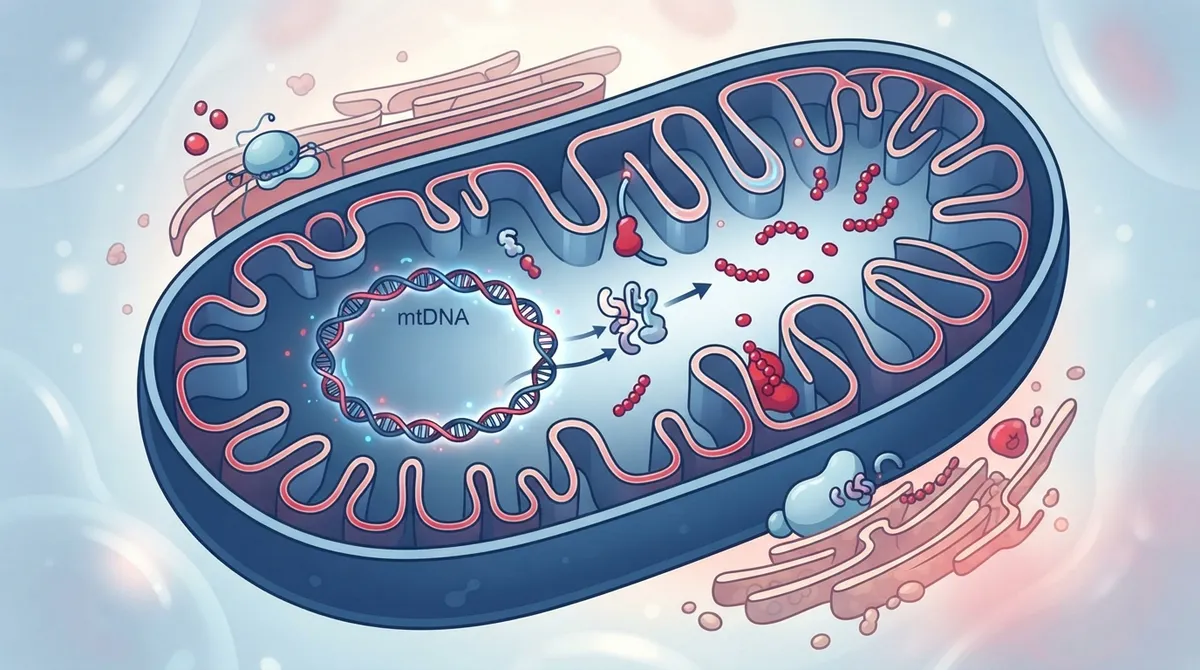
1. MOTS-c Is a Small Peptide Made by Mitochondrial DNA
MOTS-c stands for mitochondrial open reading frame of the 12S rRNA-c. It is a 16-amino-acid peptide, according to a 2023 research review. Most proteins in your body come from DNA in the cell nucleus. MOTS-c is different because it is encoded by DNA inside your mitochondria, the structures that make cellular energy.
This unusual origin is why scientists find it interesting. Researchers suspect it may act as a signal between mitochondria and the rest of the cell. That is a promising idea. It is still an idea, not a proven treatment.

2. Research Points to a Role in Energy and Metabolic Signaling
Laboratory work suggests MOTS-c may take part in cellular energy and metabolic signaling. Some studies link it to pathways involving AMPK, an enzyme that helps cells manage energy use. AMPK is also the subject of research on exercise and blood sugar control.
Here are the areas where researchers have explored MOTS-c:
- Glucose handling and insulin sensitivity
- Response to exercise
- Body weight regulation
- Aging-related metabolic changes
Notice the word explored. Exploring a pathway in a lab is very different from proving a benefit in a person. For a deeper look at the science, see What Do MOTS-c Research Studies Really Show Us?
3. Most Evidence Comes From Cells and Animals
The strongest claims about MOTS-c come from laboratory and animal studies. Mice are not people. Many compounds that work well in mice fail to help humans, or cause harm at doses that matter. Animal findings are a starting point for research, not a basis for personal treatment.
If you want to see what those animal studies actually involved, read 14 MOTS-c Animal Research Facts Tampa Patients Should Know. It explains why animal results should be read with caution.
4. The FDA Found No Human Clinical Data on MOTS-c Itself
This is the most important fact in the whole article. The FDA's 2026 briefing document reported that its literature review did not identify clinical studies evaluating administration of MOTS-c to humans. It also found no human exposure data by any route.
That means the safety and effectiveness of MOTS-c in people are unknown. There is no established dose. There is no known side effect profile. Anyone who tells you otherwise is going beyond the evidence. You can learn more in MOTS-c Dosage: Why No Safe Human Dose Is Proven Yet.
5. MOTS-c Is Not FDA-Approved
MOTS-c is not approved by the FDA for any medical use. The agency's 2026 review also noted that neither MOTS-c nor its acetate form is a component of an FDA-approved drug. It also found no applicable USP/NF drug-substance monograph, which is a public quality standard for drug ingredients.
Why does this matter to you? Approval means a product has gone through testing for safety, benefit, and manufacturing quality. Without it, you rely on the seller's word. The article MOTS-c FDA Approved vs. Investigational: The Truth covers this distinction in more detail.
6. A Human Study of an Analog Does Not Prove MOTS-c Works
You may hear that MOTS-c has been tested in humans. This usually refers to CB4211, which its developer describes as a MOTS-c analog. An analog is a related but different molecule.
The company reported a short Phase 1 study. One four-week portion included 20 adults with obesity and fatty liver. That is a small, brief study. It was not a published efficacy trial of native MOTS-c. It cannot tell us that MOTS-c itself is safe or effective.
|
Question |
MOTS-c (native peptide) |
CB4211 (analog) |
|---|---|---|
|
What is it? |
16-amino-acid peptide from mitochondrial DNA |
A distinct molecule described as a MOTS-c analog |
|
Human clinical data on administration? |
None identified by FDA's 2026 review |
Company-reported short Phase 1 study |
|
FDA-approved? |
No |
No |
|
Proves MOTS-c works in people? |
No |
No |
7. A Tampa Clinic Listing Is Not Proof of Safety
Some wellness providers in the Tampa area advertise MOTS-c services. A clinic listing, a polished website, or a confident sales pitch does not prove that a treatment is approved, effective, or right for you.
Marketing can move faster than science. Be especially careful when a provider uses words like "proven," "safe," or "clinically tested" without naming specific human studies. If you are weighing options, read Which Named Peptides Are Available in Tampa Clinics? for context on what is offered locally.
8. Ask These Questions Before Considering Any Peptide
A good clinician welcomes tough questions. Before you consider a peptide marketed for wellness, bring this list to your appointment:
- What is the evidence in humans? Ask for the actual studies, not a brochure.
- What is the regulatory status? Ask whether the product is FDA-approved or investigational.
- Where does the product come from? Ask about the source, manufacturing, and third-party testing.
- What are the risks? Ask what is known and what is unknown.
- What are the alternatives? Ask about proven options for your goal.
- Is a clinical trial available? A trial offers oversight that a retail purchase does not.
Our guide 15 Questions to Ask a Peptide Therapy Clinic in Tampa expands on this list.
9. Do Not Replace Proven Care With an Unproven Peptide
This point is about your safety. MOTS-c is sometimes marketed for blood sugar, weight, and energy. Those are real health concerns. Diabetes and obesity have established, evidence-based treatments, and delaying them can cause harm.
Here is how proven care and unproven peptides compare:
|
Goal |
Established approach |
MOTS-c status |
|---|---|---|
|
Blood sugar control |
Lifestyle changes, labs, approved medications guided by a clinician |
No human evidence of benefit |
|
Weight management |
Medical weight loss, nutrition, activity, approved medications |
No human evidence of benefit |
|
Energy and fatigue |
Sleep review, lab work, screening for underlying conditions |
No human evidence of benefit |
If weight is your goal, consider 14 Ways a Primary Care Doctor Aids Weight Loss (2026). If you are comparing approaches, MOTS-c vs. Proven Care: Which Wins for Metabolic Health? lays out the contrast clearly.
10. A Primary Care Team Can Help You Sort Hype From Help
The best first step is not a peptide. It is a baseline. A primary care physician can review your history, order labs, and check blood pressure, blood sugar, cholesterol, thyroid function, and sleep. Many people who chase energy or weight changes find that a treatable cause shows up in basic testing.
A primary care relationship also gives you a safe place to talk about supplements and peptides you have heard about. Your clinician can flag drug interactions, explain the evidence, and offer options with a real track record. If you are choosing a doctor, read Best Primary Care Doctor in Tampa: How to Choose in 2026.
InCare offers primary care, urgent care, cancer screenings, weight loss programs, metabolic breath analysis, body composition analysis, DNA gene testing, and IV hydration therapy at our Tampa and Riverview locations. We also offer virtual visits for busy schedules. Our approach is to measure first, explain clearly, and recommend what the evidence supports. You can see what InCare patients say on Google, and you can follow our health updates on Instagram, Facebook, and TikTok.
What About Side Effects and Risks?
Because human data on MOTS-c is missing, its risks are not established. That is not the same as saying it is safe. It means no one can describe the full risk picture. Unknowns can include injection-site reactions, interactions with other medications, product contamination, and effects on people with existing conditions.
Product quality is a real concern. When a substance has no approved drug standard, purity and strength can vary from vial to vial. For more on this topic, see How to Weigh MOTS-c Side Effects Before You Try It.
A Practical Way to Decide in 2026
Use this simple checklist when you hear about MOTS-c or any similar peptide:
- Look for human studies of the exact product, not animal or analog studies.
- Check whether the FDA has approved it for your use.
- Ask where it is made and who tests it.
- Confirm that your clinician has reviewed your full medical history.
- Choose proven care first for diabetes, obesity, or low energy.
Take the Next Step With InCare
Curiosity about new science is healthy. Acting on unproven claims is where risk begins. The most reliable path to better energy, healthier weight, and long-term wellness still runs through good primary care, accurate testing, and a plan built around you.
If you are in Tampa or Riverview and want a straight answer about peptides, metabolism, or weight, our team is ready to help. Book Now to schedule a visit, or contact InCare with your questions. We will review the evidence with you and help you choose care you can trust.
FAQs
Q: What is MOTS-c peptide, and what does it do?
A: MOTS-c is a 16-amino-acid peptide encoded by mitochondrial DNA. Laboratory and animal research suggests it may take part in cellular energy and metabolic signaling, including pathways involving AMPK. What it does in people has not been established.
Q: Is MOTS-c FDA-approved or available by prescription in the United States?
A: No. MOTS-c is not FDA-approved for any medical use. The FDA's 2026 briefing document noted that neither MOTS-c nor its acetate form is a component of an FDA-approved drug. Any offering is outside the approved drug pathway.
Q: Is there clinical evidence that MOTS-c helps with weight loss or insulin sensitivity?
A: No. Most evidence on glucose metabolism, insulin sensitivity, and body weight comes from laboratory and animal studies. The FDA's 2026 review did not identify clinical studies of MOTS-c given to humans, so benefit in people is unproven.
Q: How is MOTS-c different from the peptide analog CB4211?
A: CB4211 is a distinct molecule that its developer describes as a MOTS-c analog. A short, company-reported Phase 1 study of CB4211 does not show that native MOTS-c is safe or effective.
Q: What should I ask before considering a peptide at a Tampa wellness clinic?
A: Ask about human evidence, regulatory status, product sourcing and testing, risks, alternatives, and whether a clinical trial is available. Do not replace established care for diabetes or obesity with an unproven peptide. Discuss any peptide with a qualified clinician who knows your history.