
Key Takeaways
- Kisspeptin acts as a master switch for the entire reproductive hormone system by activating GnRH neurons, which then trigger LH and FSH release to control puberty, menstrual cycles, and fertility in both men and women.
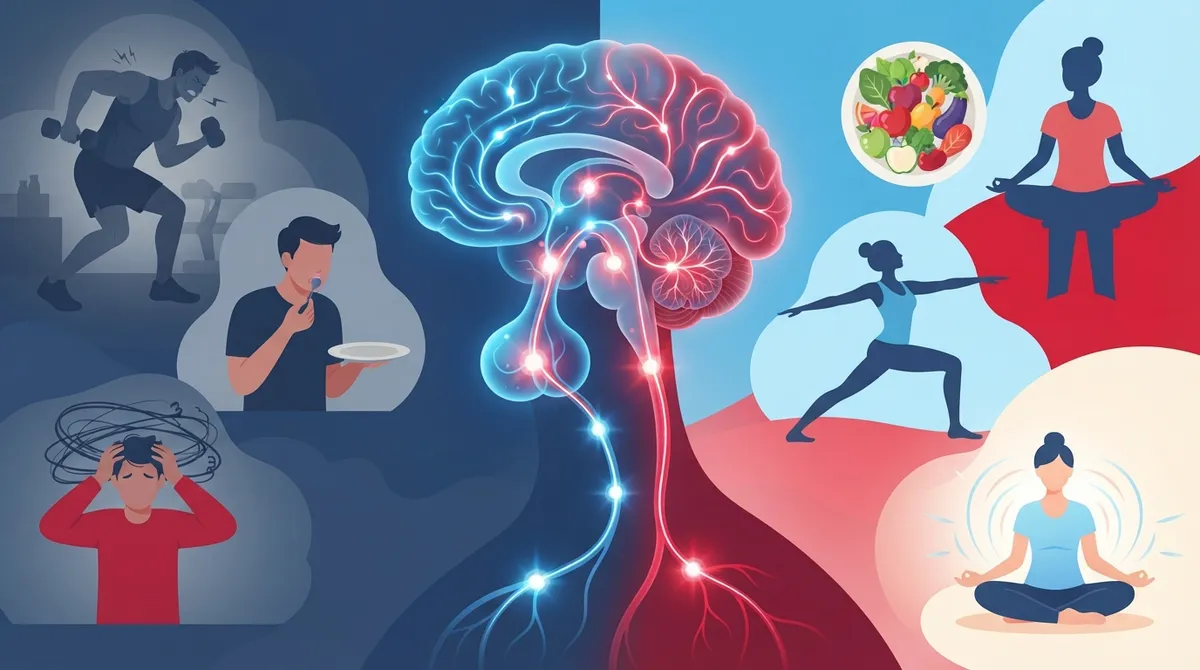
- Lifestyle factors including restrictive dieting, excessive exercise, and chronic stress directly suppress kisspeptin signaling and can cause hypothalamic amenorrhea; restoring proper nutrition and reducing stress often helps the system recover.
- Kisspeptin testing and treatment remain experimental and not FDA-approved for general use; doctors currently rely on established tests like LH, FSH, thyroid, and prolactin levels to evaluate reproductive hormone problems.
- Unregulated kisspeptin peptide products sold online lack quality control and safety data; seek evidence-based medical evaluation from a primary care provider or specialist rather than self-administering unapproved peptides.
If you have ever had unexplained fertility struggles, irregular periods, or delayed puberty in a family member, you may have heard the word "kisspeptin" mentioned by a doctor or found online. This small but powerful hormone messenger controls much of your reproductive health behind the scenes. Understanding kisspeptin function can help you make sense of test results, ask better questions, and know when to seek specialist care.
At InCare, our providers in Tampa and Riverview help patients understand complex hormone systems like this one every day. While kisspeptin testing itself is not yet a routine clinical tool, knowing how this hormone works can guide smarter conversations with your primary care team. Below, we break down 10 essential facts about kisspeptin function in clear, simple language, so you understand exactly how this hormone shapes puberty, fertility, and overall reproductive wellness.
1. Kisspeptin Is a Master Switch for Reproductive Hormones
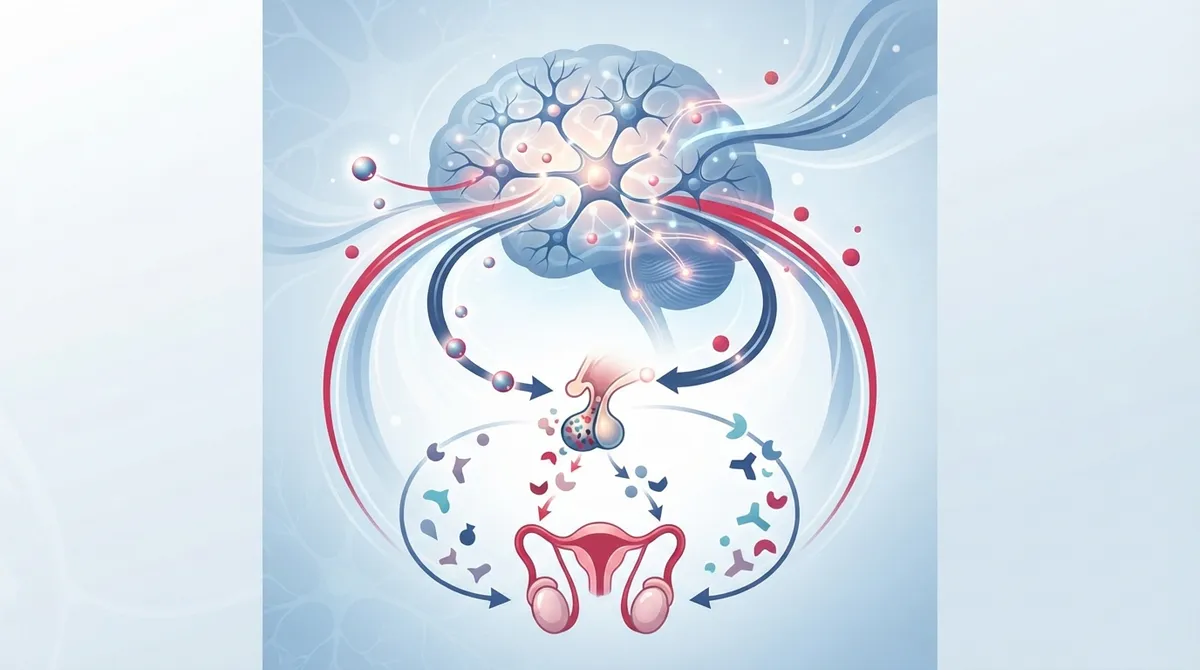
Kisspeptin is a family of hormones made in the brain. It comes from a gene called KISS1. This hormone works by activating a receptor called KISS1R, sometimes called GPR54, found on special brain cells.
Think of kisspeptin as a light switch. When it turns on, it tells another hormone system to start working. That system controls puberty, periods, and fertility in both men and women.
2. How Kisspeptin Triggers the Reproductive Hormone Chain
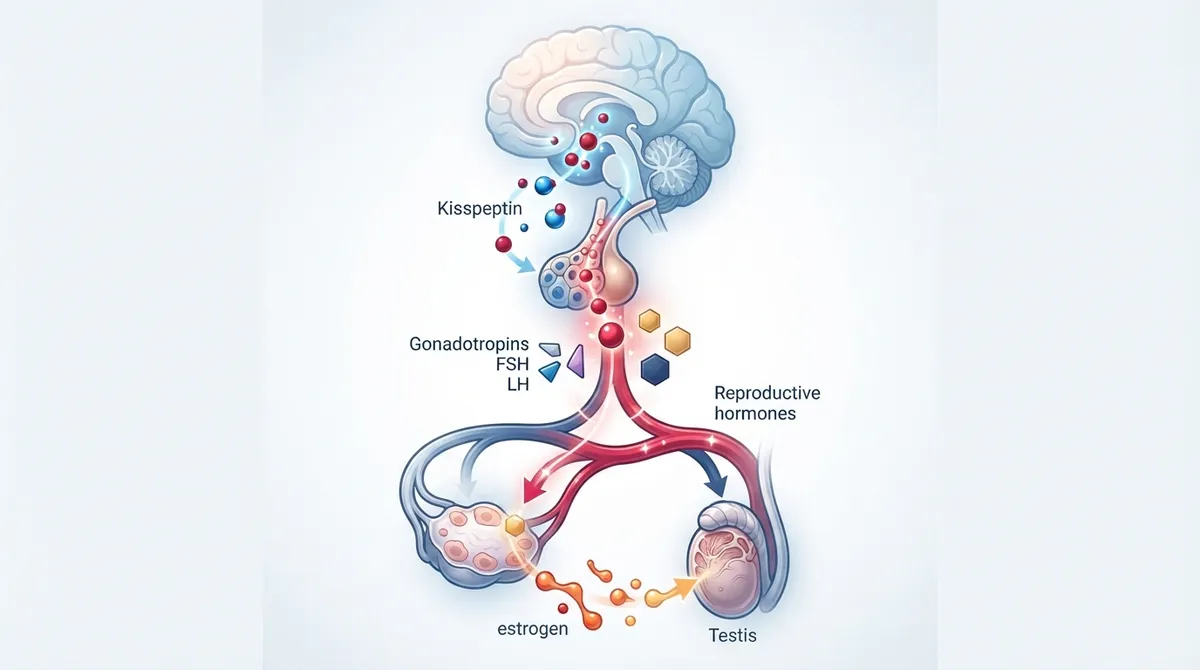
Kisspeptin does not work alone. It sets off a chain reaction inside your body. Understanding this sequence helps explain why so many fertility and hormone problems trace back to this single starting point.
- Kisspeptin activates its receptor on GnRH neurons in the brain.
- This triggers the release of gonadotropin-releasing hormone (GnRH).
- GnRH travels to the pituitary gland and prompts it to release two more hormones: luteinizing hormone (LH) and follicle-stimulating hormone (FSH).
- LH and FSH travel to the ovaries or testes.
- The ovaries or testes then produce estrogen, progesterone, or testosterone, and support egg or sperm development.
This entire pathway is known as the hypothalamic-pituitary-gonadal (HPG) axis. Kisspeptin sits right at the top, making it one of the most important regulators in the whole system.
3. Kisspeptin Plays a Key Role in Puberty
Puberty does not just happen randomly. It starts when kisspeptin signaling ramps up in the brain. This increase in activity tells the body it is time to begin sexual development.
Rare genetic changes in the KISS1 or KISS1R genes can block this signal. When that happens, a person may experience delayed or absent puberty. This condition is known as hypogonadotropic hypogonadism, and it is one of the clearest examples of how important kisspeptin function really is.
4. Kisspeptin Neurons Work as a Team
Kisspeptin does not act alone inside the brain. It works closely with two other chemical messengers called neurokinin B and dynorphin. Scientists call this trio the KNDy network, named after the first letters of each hormone.
This teamwork creates a steady, rhythmic pulse of GnRH release. Without this pulsing pattern, LH and FSH levels would not rise and fall correctly, and normal reproductive cycles would not happen.
5. Kisspeptin Responds to Sex Hormones
Kisspeptin does not just send signals out. It also listens to feedback from the body. Estrogen and testosterone both influence how much kisspeptin gets released.
- Low sex hormone levels can increase kisspeptin activity to boost hormone production.
- Rising estrogen before ovulation triggers a kisspeptin surge, which leads to the LH surge that causes an egg to be released.
- This feedback loop helps keep the menstrual cycle running on schedule.
This is one reason kisspeptin research is closely tied to conditions like irregular periods and ovulation problems, as detailed in a 2025 review published in Physiological Reviews covering puberty, the menstrual cycle, and menopause-related hormone changes.
6. Stress, Diet, and Exercise Can Affect Kisspeptin Function
Your lifestyle habits can directly influence this hormone system. The body treats kisspeptin as a kind of gatekeeper that decides whether conditions are safe enough for reproduction.
- Low energy availability from restrictive dieting can suppress kisspeptin signaling.
- Excessive exercise without enough calories can do the same thing.
- Chronic stress and illness can also lower kisspeptin activity.
- This suppression can lead to missed periods, a condition called hypothalamic amenorrhea.
- Restoring proper nutrition and reducing stress often helps the system recover over time.
This is why unexplained missed periods deserve a full evaluation rather than guesswork. A primary care visit can help rule out other causes and guide next steps.
7. Kisspeptin Affects Men and Women Differently
While kisspeptin function is important for both sexes, its effects show up in different ways. The table below breaks down some key differences.
|
Function |
In Women |
In Men |
|---|---|---|
|
Puberty Onset |
Triggers first menstrual cycle |
Triggers testicular development |
|
Cycle Regulation |
Controls ovulation timing |
Supports steady testosterone levels |
|
Fertility Role |
Needed for egg release |
Needed for sperm production |
|
Aging Transition |
Involved in menopause changes |
Involved in age-related testosterone decline |
Both men and women rely on the same basic kisspeptin-GnRH-LH-FSH pathway. The outcomes just look different depending on the reproductive organs involved.
8. Kisspeptin Testing Is Not Yet Standard in Primary Care
Many patients ask if they can simply get a blood test for kisspeptin. Right now, this is not a routine clinical service. Kisspeptin research is promising, but it remains mostly experimental.
A 2024 review of clinical research found that most kisspeptin studies still focus on reproductive health, with only about 15% looking at metabolic uses. Instead of direct kisspeptin testing, doctors rely on other established tools to evaluate hormone problems. Here is what a typical workup may include:
- Pregnancy testing, when appropriate
- A review of medications and nutrition habits
- Thyroid and prolactin hormone testing
- LH, FSH, estrogen, and testosterone blood tests
- Referral to an endocrinologist or fertility specialist when needed
Our providers at InCare, including Pramjeet Ahluwalia, MD and Naveen Paddu, MD, can guide you through this evaluation process using proven, established methods.
9. Kisspeptin Treatment Research Shows Promise but Remains Experimental
Scientists have tested giving kisspeptin directly to patients in small research studies. The results are interesting, but treatment is not yet approved for general use.
- Kisspeptin injections have been shown to reliably raise LH levels in clinical trials.
- FSH also rises, though usually less strongly than LH.
- Researchers are studying kisspeptin for hypothalamic amenorrhea and hypogonadotropic hypogonadism.
- Some trials are exploring its use in fertility treatment support.
- Sample sizes in these studies have ranged from roughly 23 to nearly 500 participants.
According to a review published through Human Reproduction Update, this research is still in early stages. Long-term safety and proper dosing have not been fully established, so this is not a treatment you can request or buy today.
10. Beware of Unregulated Kisspeptin Products
Because kisspeptin has gained attention in wellness circles, some companies market peptide products claiming similar benefits. These products are not the same as clinical research formulations used in medical trials.
- Investigational kisspeptin is not approved for general wellness use.
- Products sold online may lack quality control or accurate labeling.
- Self-administering unapproved peptides can carry unknown risks.
- Evidence-based medical evaluation should never be replaced by unregulated products.
If you are curious about hormone health and peptide science, our peptide therapy program in Tampa can walk you through what is actually safe and appropriate for your goals.
When Should You See a Specialist?
Not every hormone concern needs an endocrinologist right away. But certain symptoms deserve a closer look sooner rather than later.
- Periods that have stopped for three months or longer
- No signs of puberty by the expected age
- Ongoing struggles to conceive after 12 months of trying
- Low testosterone symptoms like fatigue or low libido in men
- Unexplained changes in menstrual cycle length or pattern
Starting with a trusted primary care provider is often the best first step. From there, they can order the right labs and refer you to a specialist if needed.
How InCare Supports Your Hormone Health Journey
InCare combines modern technology with real medical expertise across our Tampa and Riverview locations. Our team offers comprehensive evaluations that go beyond a single hormone test.
We also offer services that support overall hormone and metabolic wellness, including DNA gene testing, body composition analysis, and metabolic breath analysis. These tools help paint a fuller picture of your health, especially when reproductive symptoms overlap with weight, energy, or metabolic concerns addressed in our weight loss programs.
Patients across the Tampa Bay area trust our approach. You can see what other patients say by visiting InCare on Facebook or following our wellness tips on Instagram. We also share educational content on TikTok to help patients stay informed between visits.
Take the Next Step Toward Better Hormone Health
Kisspeptin function may sound complicated, but the takeaway is simple. This hormone sits at the top of your reproductive system, and problems anywhere along the chain can affect fertility, periods, or puberty. While kisspeptin testing and treatment remain investigational, established evaluation methods can still uncover the root cause of your symptoms.
If you have questions about irregular periods, fertility concerns, low testosterone, or delayed puberty in a family member, our team is ready to help. You can also check out what current patients say by visiting InCare on Google before your visit. Ready to get answers? Reach out to our care team today or schedule your appointment online now to start your evaluation with a provider who listens.
FAQs
Q: What does kisspeptin do in the body?
A: Kisspeptin acts as a master signal that activates GnRH neurons in the brain. This triggers the release of LH and FSH, which control puberty, menstrual cycles, ovulation, and testosterone or estrogen production.
Q: Is kisspeptin testing available at a primary care clinic?
A: No, kisspeptin blood testing is not yet a routine clinical service. Primary care providers typically evaluate hormone concerns using established tests like LH, FSH, thyroid, and prolactin levels instead.
Q: Can low kisspeptin function cause missed periods or infertility?
A: Yes, reduced kisspeptin signaling can contribute to hypothalamic amenorrhea and some forms of infertility. Stress, low energy availability, and excessive exercise are common triggers that suppress this hormone pathway.
Q: Are kisspeptin peptide injections safe or FDA-approved?
A: Kisspeptin injections remain investigational and are not FDA-approved for general use. Current research shows promise for reproductive disorders, but dosing and long-term safety have not yet been established.
Q: When should I see a specialist about a possible kisspeptin-related issue?
A: You should seek specialist care if you experience missed periods for three months or more, delayed puberty, infertility after a year of trying, or symptoms of low testosterone. A primary care provider can guide appropriate referrals.