
Key Takeaways
- Do not wait for symptoms: 11.0 million U.S. adults with diabetes did not know they had it, so ask for screening if you have risk factors like age over 40, excess weight, or family history.
- Manage the full picture, not just blood sugar: track blood pressure, cholesterol, kidney function, eye health, and foot health, since diabetes raises the risk of heart, kidney, nerve, and eye problems.
- Keep routine follow-up visits and ask your provider how often you should be seen, since small changes caught early prevent big problems.
- Never change a prescribed medication or insulin dose based on general online information; call your care team first if side effects or costs are an issue.
- Schedule regular foot exams, dilated eye exams, kidney tests, and cholesterol and blood pressure checks, because nerve and vessel damage can progress before you feel symptoms.
- Learn the signs of severe low blood sugar, such as shaking, sweating, confusion, and fast heartbeat, and make sure family members know what to do in an emergency.
Living with diabetes in Riverview means managing more than a single number on a glucose meter. It means tracking blood pressure, cholesterol, kidney health, eye health, and foot health, all while keeping up with work, family, and daily life. Small mistakes can add up over time. The good news is that most of them are easy to fix with steady, coordinated support.
The scale of the problem is large. The CDC estimates that 40.1 million people in the United States had diagnosed or undiagnosed diabetes in 2023, and about 11.0 million adults with diabetes did not know they had it. That is why primary care for diabetes management in Riverview matters so much. A primary care team can spot problems early, review your treatment, and connect you with the right specialists.
This guide walks through ten common mistakes and how to avoid each one. It uses current ADA guidance for context. Your own targets and treatment decisions should always be set with your clinician. If you live in Riverview, Florida, you can use this list to prepare for your next visit.

Why Primary Care Is the Foundation of Diabetes Management
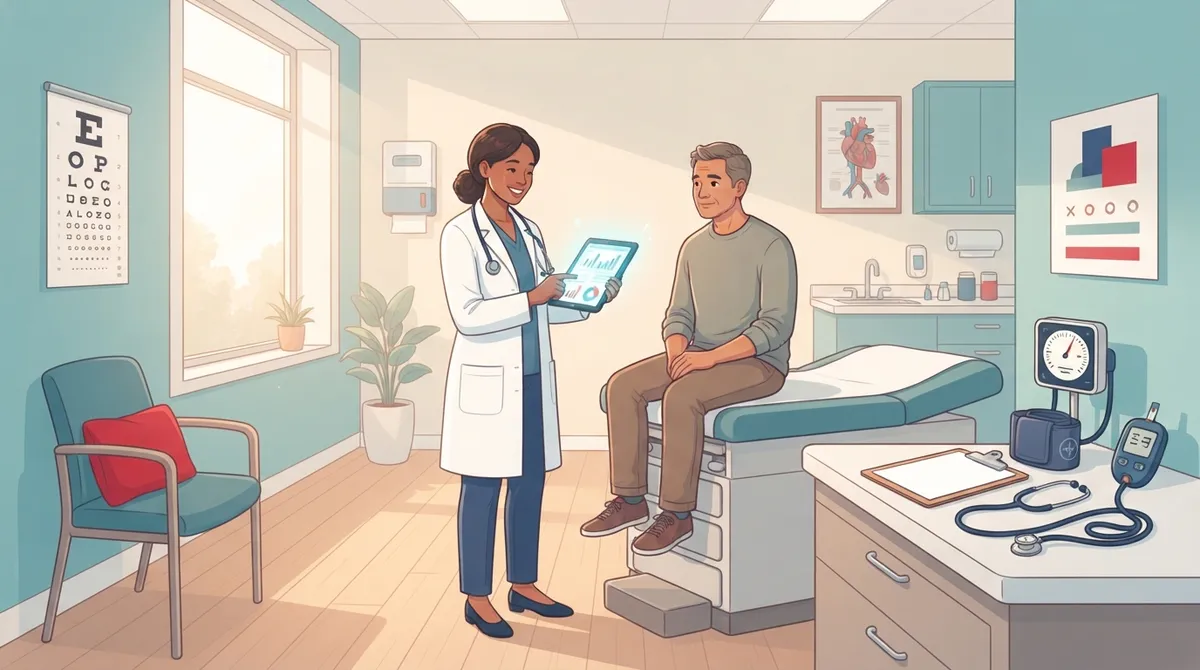
Diabetes care is ongoing, not a one-time event. A primary care provider (PCP) is usually the best home base because the same team sees you over time. They know your history, your medications, and your goals.
The American Diabetes Association (ADA) updates its Standards of Care each year, and the 2026 edition is the current guidance. It covers diagnosis, prevention, full evaluations, glucose goals, and low blood sugar. A good primary care practice follows these standards while tailoring them to you.
Primary care for diabetes often includes:
- Routine follow-up visits and glucose review
- Medication review and safety checks
- Blood pressure and cholesterol management
- Kidney, eye, and foot health screening
- Vaccinations and preventive screenings
- Nutrition, activity, and weight guidance
- Referrals to specialists when needed
Exact services vary by clinic, so always confirm what is offered before you book. You can learn more about how primary doctors help manage chronic illnesses in everyday practice.
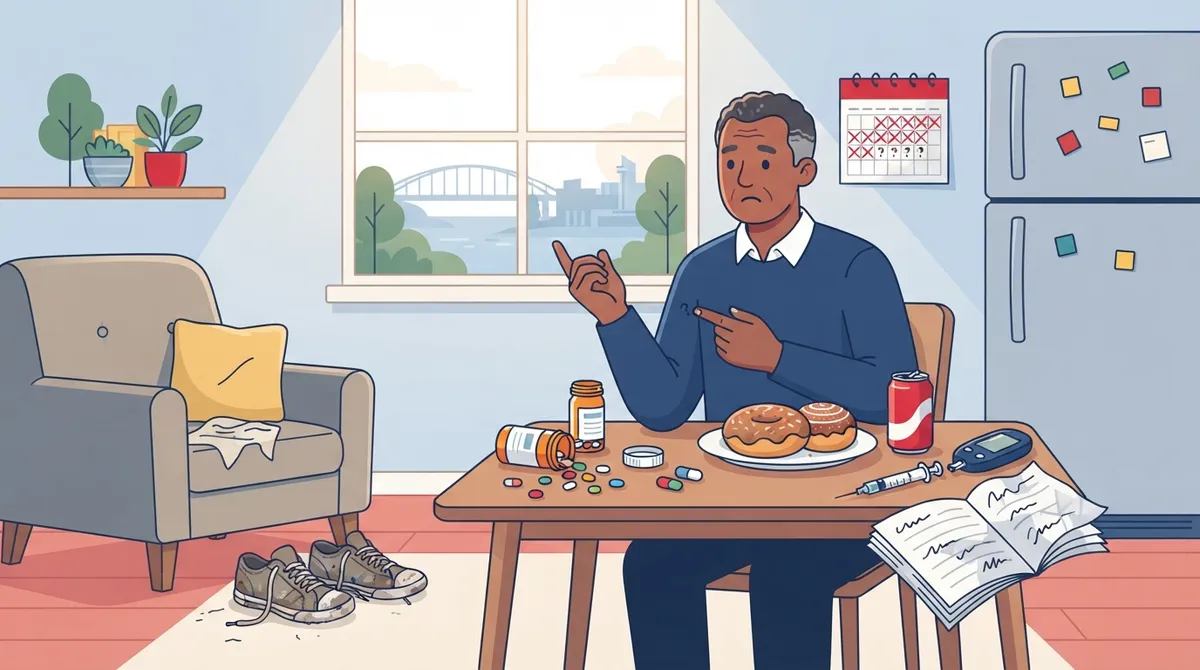
10 Diabetes Care Mistakes to Avoid
1. Waiting for Symptoms Before Getting Checked
Diabetes can be silent. CDC data shows that during August 2021 to August 2023, 15.8% of U.S. adults had total diabetes, and 4.5% of adults had it undiagnosed. Many people feel fine while blood sugar is already too high.
Do not wait for thirst, fatigue, or blurry vision. If you have risk factors, such as excess weight, a family history, or age over 40, ask about screening. Prevalence rises with age: 3.6% for adults ages 20 to 39, 17.7% for ages 40 to 59, and 27.3% for adults 60 and older. A simple lab test can give you answers.
2. Focusing Only on Blood Sugar
Glucose matters, but it is only one piece. Diabetes raises the risk of heart disease, kidney disease, nerve damage, and eye problems. A strong plan watches all of these.
Ask your PCP to review the full picture at each stage. That includes blood pressure, cholesterol, kidney function, and cardiovascular risk. Our guide on blood pressure management shows why this matters so much for people with diabetes.
3. Skipping Routine Follow-Up Visits
Many people feel they only need a visit when something goes wrong. Diabetes does not work that way. Regular visits let your clinician catch small changes before they become big problems.
Your follow-up schedule depends on your needs, your treatment, and how stable your numbers are. Ask your provider how often you should be seen. Then keep those appointments. If scheduling is a barrier, look for a practice that offers same-day or virtual options.
4. Changing Medication Without Medical Guidance
This is one of the riskiest mistakes. Never change a prescribed medication or insulin dose based only on general online information. Doses are set for your body, your meals, and your other health conditions.
If a medication causes side effects or feels too expensive, call your care team first. They can adjust the plan safely. For help staying organized, see these prescription management tips.
5. Ignoring Foot, Eye, and Kidney Screenings
Diabetes can slowly damage small blood vessels and nerves. You may not feel it until the damage is advanced. That is why regular screenings are part of good care.
Common screenings to ask about include:
- A foot exam to check for numbness, sores, or poor circulation
- A dilated eye exam with an eye specialist
- Kidney tests, including blood and urine labs
- Cholesterol and blood pressure checks
- Vaccination review
Your PCP can order many of these tests and refer you for the rest. Having labs done close to home also saves time. Learn how in-house lab testing can speed up results.
6. Treating Diet as a Quick Fix Instead of a Habit
Crash diets rarely last. Blood sugar swings and frustration often follow. Diabetes nutrition works best when it fits your culture, budget, and schedule.
Ask your primary care team about a realistic eating plan. You may also be referred to a diabetes educator or dietitian. Practical steps include:
- Plan meals ahead on busy days
- Pair carbohydrates with protein and fiber
- Read labels for added sugars
- Eat at steady times when possible
- Choose water over sugary drinks
7. Overlooking Weight and Metabolic Health
Weight plays a major role in diabetes risk and control. The CDC-linked NCHS analysis found total diabetes prevalence of 6.8% in adults with underweight or normal weight, 12.3% in those with overweight, and 24.2% in adults with obesity. These are population estimates, not predictions for any one person, but they show how closely weight and diabetes are linked.
If weight is a concern, talk with your clinician. A medically guided plan can be safer than going it alone. Read how medical weight loss supports diabetics and what makes medical weight loss different from dieting. Tools like metabolic breath analysis and body composition testing can also show how your body uses energy.
8. Not Knowing the Signs of a Low Blood Sugar Emergency
Low blood sugar, called hypoglycemia, can become dangerous fast. Early signs include shaking, sweating, confusion, and a fast heartbeat. Severe lows can cause fainting or seizures.
Talk with your PCP about your personal risk and a clear action plan. Make sure family members know what to do. Severe symptoms or any medical emergency require prompt urgent or emergency care. Knowing when urgent care is the right choice can save valuable time.
9. Managing Everything Alone
Diabetes affects mood, sleep, and stress. Many people try to handle it all by themselves. That can lead to burnout and missed care.
A coordinated approach works better. Your PCP can connect you with an endocrinologist, diabetes educator, eye doctor, or foot specialist when the situation calls for it. You may need an endocrinologist if your blood sugar is hard to control, if you have complex medication needs, or if complications appear. Read about the value of coordinated care versus fragmented care.
10. Choosing a Clinic Without Checking Key Details
Not every clinic offers the same diabetes services. Before you commit, confirm what is available. It also helps to check whether the office is the right "Riverview." Several communities share that name, so make sure you are looking at Riverview, Florida.
Use this table to compare what to ask before booking.
|
Question to Ask |
Why It Matters |
|---|---|
|
Do you offer ongoing chronic disease management? |
Diabetes needs regular follow-up, not one-time visits |
|
Which screenings and labs can be done on site? |
Saves time and speeds up decisions |
|
Do you accept my insurance? |
Prevents surprise bills |
|
How do you handle referrals? |
Ensures smooth access to specialists |
|
Are telehealth or same-day visits available? |
Helps busy schedules |
|
What are your hours and wait times? |
Affects how easily you can keep appointments |
Always verify services, hours, insurance, and appointment availability directly with the clinic before your visit. Our guide on finding doctors accepting new patients can help you get started.
How to Prepare for a Diabetes Appointment
A little preparation makes every visit more useful. Bring the items below so your provider has a full picture.
- A list of all medications, supplements, and doses
- Recent glucose readings or meter data
- Questions and concerns you want to cover
- Past lab results or records from other doctors
- Your insurance card and photo ID
If you are new to a practice, read what to expect at a new patient appointment. If you need old records moved, follow these steps for a medical records request.
How InCare Supports Diabetes Care in Riverview
InCare is a personalized primary care and wellness clinic with locations in Riverview and Tampa, Florida. Our team combines modern technology with medical expertise to support prevention and whole-body health. Our primary care services focus on ongoing, coordinated care for chronic conditions.
For patients with diabetes risk or diagnosis, that approach can include regular check-ins, screening support, and guidance on nutrition and weight. We also offer weight loss programs and advanced tools to help you understand your health. You can meet our providers and see all locations online. Patients often tell us they value our friendly staff, and you can read what they say when you visit our InCare Riverview location on Google.
To see how other patients choose a practice, read why InCare is the best choice for primary care in Riverview. For a deeper look at common pitfalls, see these diabetes management mistakes that hurt your health.
Follow our updates and health tips on Instagram, Facebook, and TikTok.
Building a Long-Term Plan You Can Stick With
The best diabetes plan is one you can actually follow. Start small. Pick one or two changes, such as a regular walk after dinner or scheduling overdue screenings. Add more steps as these become routine.
Remember that goals are personal. Glucose targets, medication choices, and screening schedules depend on your age, health history, and lifestyle. Your clinician will help you set them. Keep notes between visits and share them openly. Honest conversations lead to better care.
Also think about prevention. If you have prediabetes or strong risk factors, early action can change your path. Learn how primary care doctors help prevent chronic diseases before they develop.
Take the Next Step Toward Better Diabetes Care
Avoiding these ten mistakes starts with one decision: building a steady relationship with a primary care team you trust. Regular visits, full screenings, safe medication use, and clear communication can protect your health for years to come.
Ready to get started? Book your appointment with InCare today, or contact our team with questions about diabetes care in Riverview.
FAQs
Q: Where can I find primary care for diabetes management in Riverview, Florida?
A: Several clinics in Riverview, Florida, offer primary care for diabetes, including InCare. Confirm current services, hours, insurance, and appointment availability directly with any clinic before you book.
Q: What does a primary care doctor do to manage diabetes?
A: A primary care doctor provides ongoing follow-up, reviews glucose results and medications, and screens for complications. They also address blood pressure, cholesterol, and vaccinations, and refer you to specialists when needed.
Q: When should I see an endocrinologist or diabetes educator?
A: Your PCP may refer you if your blood sugar is hard to control, your medication needs are complex, or complications appear. A diabetes educator can also help with nutrition, glucose monitoring, and daily routines.
Q: Can a primary care provider adjust diabetes medication or insulin?
A: Yes, a primary care provider can review and adjust diabetes medication based on your needs and lab results. Never change a prescribed dose on your own, and seek urgent care for severe low blood sugar symptoms.


