

Key Takeaways
- Enroll during your six-month Medigap Open Enrollment Period starting at age 65 with Part B to avoid medical underwriting and potential premium increases based on health conditions.
- BCBS Medigap plans help cover Original Medicare's gaps like deductibles and copayments, making primary care visits more predictable and affordable with no surprise bills after appointments.
- You must have both Medicare Part A and Part B to purchase a supplement plan; Medigap is private coverage that supplements Original Medicare, not a replacement like Medicare Advantage.
- Plan options and premiums vary significantly by state and BCBS affiliate location, so check your local provider for accurate 2026 pricing, available plans, and any regional wellness extras.
- Medigap plans do not cover prescription drugs, dental, vision, or hearing care; you need a separate Medicare Part D plan for medications and must arrange separate coverage for these services.
- Plan N offers lower premiums but includes small copays (up to $20 for office visits, $50 for ER), while high-deductible Plan G has a $2,950 deductible in 2026 for budget-conscious patients.
Choosing a Medicare Supplement plan can feel confusing, especially when you just want simple, affordable visits to your primary care doctor. A Blue Cross Blue Shield Medicare Supplement plan, often called BCBS Medigap, can help pay the costs Original Medicare leaves behind. But not all plans work the same way, and knowing the facts before you enroll can save you money and stress. Whether you live in Tampa, Riverview, or anywhere in Florida, understanding how Medigap fits into your primary care and wellness routine matters more than ever in 2026.
This guide breaks down ten key facts about BCBS Medicare Supplement insurance. You will learn what it covers, how it works with your doctor visits, and what it does not include. We will also show how this coverage connects to primary care services like annual checkups, cancer screenings, and chronic disease management. By the end, you will know exactly what questions to ask before picking a plan.
1. BCBS Medigap Helps Cover Costs Original Medicare Does Not Pay
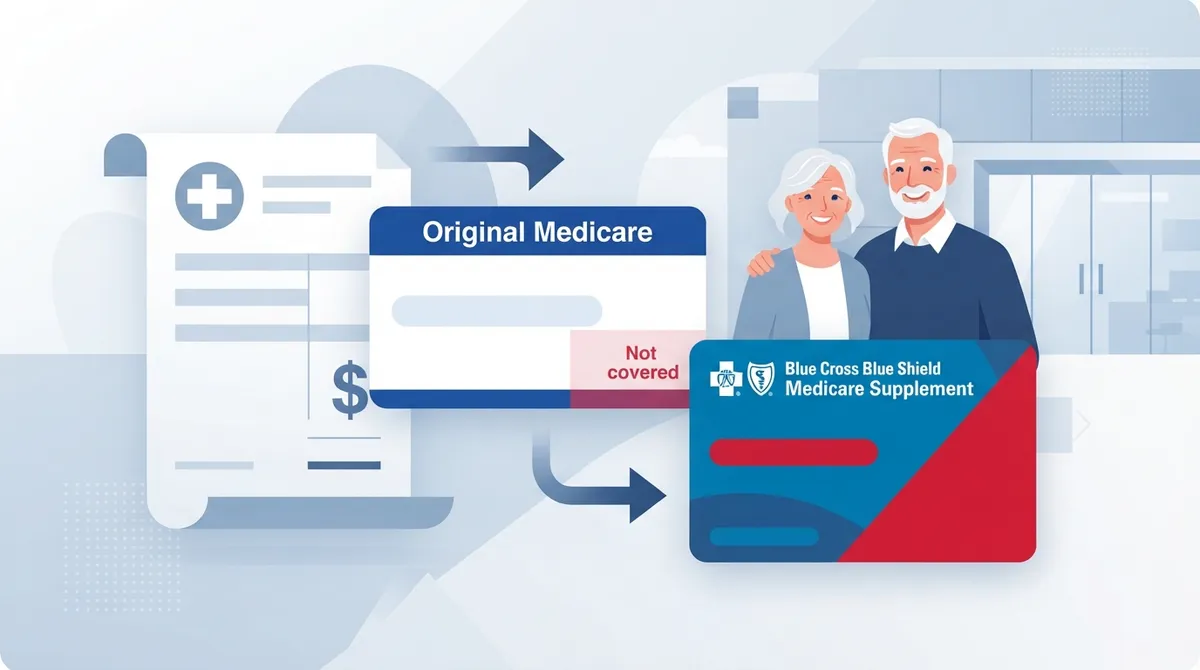
Blue Cross Blue Shield Medicare Supplement insurance is private coverage that works alongside Original Medicare. It helps pay leftover costs like deductibles, copayments, and coinsurance. This means when you visit your doctor for a wellness check or chronic condition follow-up, you may owe less out of pocket.
In 2026, the standard Part B deductible is $283, according to Medicare.gov. Without a supplement plan, you pay this amount before Medicare starts covering your outpatient visits. A BCBS Medigap plan can help cover that gap, making it easier to budget for regular annual wellness visits.

2. You Must Have Original Medicare to Buy a Supplement Plan
To purchase a BCBS Medigap policy, you generally need both Medicare Part A and Part B. This coverage supplements Original Medicare rather than replacing it. It is different from a Medicare Advantage plan, which works as an alternative to Original Medicare.
If you are thinking about switching from a Medicare Advantage plan to Original Medicare plus Medigap, check the enrollment rules first. Switching at the wrong time can leave gaps in your coverage. A quick conversation with your primary care team can help you understand how this decision affects your ongoing care.
3. Plans Are Standardized by Letter, But BCBS Varies by State
Medigap plans use letters like Plan G, Plan N, and Plan K. In most states, the benefits for each letter stay the same no matter which company sells the policy. However, Blue Cross Blue Shield is actually a group of independent local companies. This means the specific plans offered, premiums, and any extra perks can differ depending on where you live.
For example, BCBS of Alabama's 2026 outline of coverage lists Plan G at $237 per month for the age-65 category. This is just one regional example. Florida residents should always check their local BCBS affiliate for accurate pricing and plan options before enrolling.
Quick Comparison of Common Medigap Plans
|
Plan |
Key Feature |
Best For |
|---|---|---|
|
Plan G |
Covers most gaps except Part B deductible |
Those wanting broad coverage |
|
Plan N |
Lower premium with small copays |
Budget-conscious patients |
|
Plan K |
Out-of-pocket limit of $8,000 in 2026 |
Those wanting lower monthly cost |
|
Plan L |
Out-of-pocket limit of $4,000 in 2026 |
Middle-ground cost sharing |
4. The Open Enrollment Window Is Your Best Time to Buy
The federal Medigap Open Enrollment Period lasts six months. It starts the moment you are both 65 or older and enrolled in Medicare Part B. During this window, insurance companies generally cannot deny you a policy or charge more because of health problems.
Outside this period, insurers may use medical underwriting. This means your health history could affect your premium or eligibility. If you know you will need a supplement plan, timing your enrollment carefully can protect you from higher costs down the road.
5. Medigap Makes Primary Care Visits More Predictable
One of the biggest benefits for primary care patients is cost predictability. With Original Medicare and a BCBS Medigap plan, you can generally see any provider nationwide who accepts Medicare. Referrals are usually not required, though some offices may have their own policies.
This flexibility matters for people managing ongoing conditions. Regular visits to your primary care providers for blood pressure checks, diabetes management, or routine screenings become easier to plan for financially. You will not face surprise bills after every appointment.
6. Prescription Drugs and Routine Extras Are Not Included
Medigap plans typically do not cover prescription drugs, dental, vision, or hearing care. If you want help paying for medications, you generally need a separate Medicare Part D plan. This is an important detail many people overlook when comparing coverage options.
Some BCBS affiliates do offer wellness extras beyond the standard plan. Examples include a no-cost well-being program and nurse line in Michigan, or fitness and hearing-related perks from other regional insurers. These benefits vary widely, so always check your specific policy documents from your state's BCBS provider.
- Ask if your plan includes any wellness coaching or nurse hotlines
- Confirm whether dental, vision, or hearing services need separate coverage
- Check if a Part D drug plan is bundled or must be purchased separately
- Review any fitness membership discounts tied to your Medigap policy
7. Premiums Vary by Age, Location, and Tobacco Use
You pay Medigap premiums separately from your Medicare Part B premium. The amount depends on your age, where you live, whether you use tobacco, and other factors. Premiums can also rise over time, so it helps to review your plan's rate history before committing.
Before enrolling, compare the policy's outline of coverage, the premium amount, and how local providers accept the plan. This step protects you from unexpected cost increases later. It also helps you find a plan that truly fits your budget and health needs.
8. Plan N Has Small Copays for Office and ER Visits
If you choose Plan N, be aware it may require copayments. Office visits can have a copay of up to $20, and emergency room visits that do not lead to inpatient admission may cost up to $50. This is different from Plan G, which typically covers more of these costs upfront.
Understanding these small fees helps you plan for routine care. If you visit urgent care for a minor illness or injury, knowing your copay in advance means no surprises at checkout.
9. High-Deductible Options Exist for Lower Monthly Costs
In 2026, high-deductible versions of Plans F and G carry a $2,950 deductible. These plans offer lower monthly premiums in exchange for paying more before coverage kicks in. Keep in mind that Plan F is not available to people who became newly eligible for Medicare on or after January 1, 2020.
This option may work well for healthier patients who do not expect frequent doctor visits. However, if you manage a chronic illness or need regular cancer screenings, a lower-deductible plan might save you more money throughout the year.
Steps to Choose the Right BCBS Medigap Plan
- Confirm you have both Medicare Part A and Part B
- Check if you are within your six-month Open Enrollment window
- Compare plan letters like G, N, K, and L for coverage differences
- Contact your local BCBS affiliate for exact premium quotes
- Ask about wellness extras or nurse lines included in your state
- Confirm your primary care doctor and specialists accept Medicare
- Review the outline of coverage document line by line
- Decide if you need a separate Part D drug plan
- Set a reminder to review your plan yearly for rate changes
- Ask your care team how the plan affects routine visits and screenings
10. Local Support Makes All the Difference
Navigating Medigap options can feel overwhelming without guidance. A trusted primary care team can help you understand how your coverage works with the services you actually use. This includes wellness visits, chronic disease management, and preventive screenings that keep you healthy long term.
At InCare, our team in Tampa and Riverview works with patients who have a wide range of Medicare coverage, including BCBS Medicare Supplement plans. We focus on whole-body wellness, from body composition analysis to IV hydration therapy. Our goal is to help you get the most value from your coverage while receiving personalized, modern care.
Many patients also want confidence in their provider before committing to ongoing care. You can visit us on Google — InCare to read reviews from real patients who share their experiences with our Tampa and Riverview locations. We are proud of our reputation for friendly, attentive care.
Staying connected with health tips and updates is easy too. Follow InCare on Facebook for community updates, check out wellness content on Instagram, or catch quick health tips on Tik Tok. For more official Medicare details, the Medicare.gov Medigap guide offers helpful, government-verified information.
Making Your Coverage Work for Your Health
A Blue Cross Blue Shield Medicare Supplement plan can be a smart way to manage healthcare costs while keeping access to the doctors you trust. But coverage only helps if you use it well. Regular primary care visits, preventive screenings, and open conversations with your care team make the biggest difference in your long-term health.
If you are ready to find a primary care partner who understands Medicare coverage and whole-body wellness, our team is here to help. You can reach out to our care team today to ask questions about your coverage, or simply schedule your appointment now to get started on a healthier 2026.
FAQs
Q: What does a Blue Cross Blue Shield Medicare Supplement plan cover?
A: BCBS Medicare Supplement plans help cover out-of-pocket costs left by Original Medicare, such as deductibles, copayments, and coinsurance for Part A and Part B services. Coverage details depend on the specific plan letter you choose, like Plan G or Plan N.
Q: Can I keep my primary care doctor with a BCBS Medicare Supplement plan?
A: Yes, with Original Medicare and a Medigap plan, you can generally see any provider nationwide who accepts Medicare. Referrals are usually not required, making it easy to continue seeing your trusted primary care doctor.
Q: When is the best time to enroll in a Medicare Supplement plan?
A: The best time is during your six-month Medigap Open Enrollment Period, which starts when you turn 65 and enroll in Part B. During this window, insurers generally cannot deny coverage or charge more due to health conditions.
Q: Does a BCBS Medicare Supplement plan cover prescription drugs?
A: No, Medigap plans typically do not cover outpatient prescription drugs, dental, vision, or hearing care. You would need a separate Medicare Part D plan for prescription drug coverage.
Q: Can I have a Medicare Supplement plan and Medicare Advantage at the same time?
A: No, Medigap generally cannot be used alongside Medicare Advantage. If you are considering switching between the two, check enrollment rules carefully to avoid coverage gaps.


