

Key Takeaways
- KPV peptide lacks published human clinical trials—all current evidence comes from cell and animal studies, primarily mouse colitis models, making claims about human inflammation reduction unproven and requiring caution.
- KPV is not FDA-approved for any condition; products sold online as injectable, oral, nasal, or topical KPV lack guarantees for sterility, purity, dose accuracy, and manufacturing standards, raising safety concerns.
- Long-term human safety data for KPV does not exist; unanswered questions remain about immune effects over time, allergic reactions, pregnancy safety, and interactions with prescription medications.
- Evidence-based inflammation management includes treating diagnosed conditions, quitting smoking, improving sleep, regular physical activity, weight management, balanced diet, and vaccinations—all backed by decades of research.
- Red-flag symptoms like blood in stool, persistent diarrhea, unexplained weight loss, or severe abdominal pain require immediate medical evaluation from a healthcare provider rather than self-treatment with unproven compounds.
- Modern diagnostic tools like DNA gene testing and body composition analysis can reveal inflammatory predispositions and create personalized treatment plans superior to relying on unproven peptides without medical oversight.
Chronic inflammation quietly drives many health problems, from joint pain to digestive issues. If you have searched online for solutions, you may have come across KPV peptide as a possible answer for inflammation reduction. This tripeptide has gained attention in wellness circles, but the science behind it is still developing. Understanding what KPV actually is, and what it is not, can help you make smarter choices about your health.
At InCare, we believe patients deserve honest, evidence-based information before trying any new compound. This article breaks down what researchers currently know about KPV inflammation reduction, where the science stands today, and what proven options exist for managing inflammation through primary care in Tampa and Riverview, Florida.
What Is KPV Peptide?
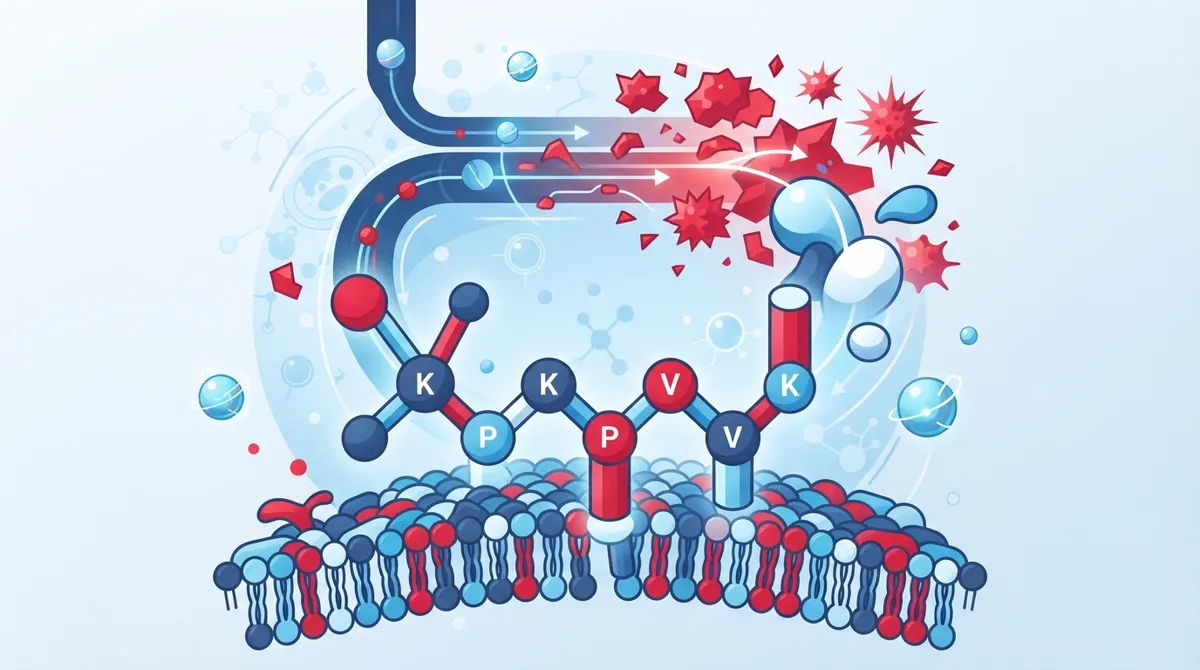
KPV stands for Lys-Pro-Val, a three-amino-acid fragment. It comes from a larger hormone called alpha-melanocyte-stimulating hormone, or α-MSH. Scientists have studied this small piece because it appears to carry some of the anti-inflammatory properties of the full hormone.
KPV is made of three amino acids: lysine, proline, and valine. This simple structure is part of why researchers find it interesting. Short peptides like KPV may be easier for the body to use than larger, more complex molecules. However, being simple does not automatically mean being proven safe or effective in humans.
How KPV May Work in the Body
Laboratory studies suggest KPV can interfere with certain inflammatory signals. Specifically, researchers have observed that KPV may block a pathway called NF-κB. This pathway acts like a switch that turns on inflammation throughout the body.
KPV may also reduce several inflammatory cytokines, which are small proteins that trigger swelling and immune responses. These include IL-1β, IL-6, IL-8, IL-12, and interferon-gamma. Some studies also point to effects on TNF-related signaling. Interestingly, KPV appears to work partly through pathways unrelated to the melanocortin-1 receptor, which is notable since it is only a small fragment of the original hormone.

What Does the Research Actually Show?
Most of what we know about KPV comes from cell studies and animal research, not human trials. This distinction matters greatly when evaluating any health claim.
The 2008 Gastroenterology Study
A widely cited 2008 study published in Gastroenterology looked at how KPV behaves in the gut. Researchers found that KPV could enter intestinal cells through a transporter called PepT1. In mouse models of colitis created using DSS and TNBS chemicals, KPV reduced signs of inflammation.
Here is what the mouse studies found:
- Lower levels of myeloperoxidase, a marker linked to neutrophil activity and tissue inflammation
- Fewer inflammatory cells infiltrating colon tissue
- Reduced expression of inflammatory cytokines
- Less overall tissue injury and reduced disease severity scores
These results are promising for future research. However, mouse colitis models do not perfectly represent human ulcerative colitis or Crohn's disease. A treatment that works in mice does not guarantee the same results in people.
A 2023 Review of the Melanocortin System
A more recent review, published in 2023, examined the broader melanocortin system and its role in inflammatory bowel disease. This review described KPV as the active tail-end sequence of α-MSH linked to anti-inflammatory activity. Even so, the authors emphasized that most supporting evidence remains preclinical, meaning it comes from lab and animal studies rather than human patients.
Key Gaps in KPV Research
Before considering KPV for any purpose, it helps to understand what scientists still do not know. The table below summarizes the current state of evidence.
|
Research Question |
Current Status |
|---|---|
|
Human clinical trials |
None published to date |
|
Established human dosing |
Not determined |
|
FDA approval status |
Not approved for any use |
|
Long-term safety data |
Unavailable |
|
Best delivery method (oral, injectable, nasal, topical) |
Not established |
|
Effects on autoimmune disease in humans |
Unproven |
This lack of human data is a significant limitation. Search results reviewing available literature found zero published human efficacy trials for KPV. Without this evidence, claims that KPV treats systemic inflammation, autoimmune conditions, inflammatory bowel disease, skin disorders, or chronic pain should be viewed with caution.
Is KPV FDA Approved or Legal to Use?
KPV is not an FDA-approved medication for inflammation or any other condition. Regulatory discussions have noted that the agency considers current human exposure and safety information insufficient. This means products sold online as injectable, oral, nasal, or topical KPV are not equivalent to approved prescription therapies.
When a product is not FDA approved, several concerns arise:
- Product identity may not match the label
- Sterility cannot be guaranteed, raising infection risk
- Purity and dose accuracy are uncertain
- Long-term safety has not been studied in humans
- Manufacturing standards may vary widely between suppliers
Regulatory policies can change over time, so it is wise to check current FDA communications before making any decisions. A trusted primary care provider can help you interpret this information accurately.
What About Safety and Side Effects?
Preclinical tolerability findings in animals cannot establish human safety. Several important questions remain unanswered, including:
- How KPV affects immune function over time
- Whether it raises infection risk
- Potential for allergic reactions
- Safety during pregnancy or breastfeeding
- Interactions with prescription medications
- Risks tied to repeated or long-term exposure
- Dangers from nonsterile or poorly compounded products
Because so much remains unknown, KPV should be viewed as an investigational research compound rather than a routine supplement. This is especially true for anyone managing an existing health condition or taking other medications.
What Should You Do If You Have Inflammation Symptoms?
If you suspect inflammatory bowel disease or another inflammatory condition, do not substitute KPV for a proper medical evaluation. Certain symptoms require prompt attention from a healthcare provider. These red-flag symptoms include:
- Blood in the stool
- Persistent diarrhea that does not resolve
- Unexplained weight loss
- Fever without a clear cause
- Severe or worsening abdominal pain
- Symptoms that continue to progress over time
Our physicians, including Dr. Pramjeet Ahluwalia, Dr. Naveen Paddu, and Dr. Teshy John, can evaluate your symptoms and recommend appropriate testing. Learn more about how primary care doctors help manage chronic illnesses before pursuing unproven treatments.
Proven Approaches to Reducing Chronic Inflammation
While KPV research continues, several evidence-based strategies can help lower inflammation right now. A qualified clinician can guide you through these options based on your specific health history.
Lifestyle Interventions Backed by Evidence
The following approaches have substantial research support for reducing inflammation:
- Treating any diagnosed underlying disease appropriately
- Quitting smoking, which reduces oxidative stress and inflammatory markers
- Getting consistent, quality sleep each night
- Engaging in regular physical activity
- Managing weight through medically supervised programs when appropriate
- Staying current on recommended vaccinations
- Following a balanced dietary pattern rich in whole foods
These strategies are not glamorous, but they carry decades of research behind them. Our team offers medically supervised weight loss programs that can help reduce inflammation tied to excess body weight, along with cancer screening services to catch health issues early.
Advanced Diagnostic Tools
Modern DNA gene testing can reveal genetic predispositions to inflammatory conditions. Pairing this with body composition analysis gives your care team a clearer picture of your overall metabolic health. These tools help create a personalized plan rather than relying on unproven peptides sold without medical oversight.
How to Evaluate Wellness Marketing Claims
Not every product marketed as a wellness solution meets scientific standards. Here are steps to protect yourself when researching peptides or supplements:
- Ask whether human clinical trials exist, not just animal studies
- Check if the product has FDA approval for the claimed use
- Look for peer-reviewed publications rather than blog posts or sales pages
- Talk to a licensed medical provider before starting any new compound
- Be cautious of products claiming to cure multiple unrelated conditions
Our peptide therapy program in Tampa is built on this exact principle. We only recommend approaches supported by solid clinical evidence and always discuss the current research status honestly with our patients.
Why Choose InCare for Inflammation Management
Patients in Tampa and Riverview trust InCare because we combine advanced technology with honest medical guidance. We do not oversell unproven compounds. Instead, we focus on comprehensive evaluation, accurate diagnosis, and treatment plans backed by research.
Our services include IV hydration and vitamin drips to support overall wellness, along with metabolic breath analysis to understand how your body processes energy. If you are dealing with chronic inflammation and want answers grounded in science, our team at InCare, including our Riverview location, is ready to help.
You can also learn more about our approach by following us on Facebook, checking our wellness updates on Instagram, or watching patient education content on TikTok. Many patients also share their experiences when you visit us on Google — InCare, where we maintain a strong reputation for honest, patient-first care.
Moving Forward Wisely
KPV inflammation reduction remains an active area of scientific study, primarily in laboratory and animal models. The strongest evidence so far relates to intestinal inflammation in mice, not confirmed human outcomes. Until more human research exists, KPV should be treated as an investigational compound rather than a proven therapy.
If chronic inflammation is affecting your quality of life, do not wait for unproven products to deliver results. Evidence-based care, proper diagnosis, and proven lifestyle interventions offer a safer, more reliable path forward. Our providers can also walk you through options like hair restoration and other wellness services that support whole-body health.
Ready to talk to a provider about managing inflammation the right way? Reach out to our team today or schedule your appointment now to get started on a personalized, evidence-based plan for your health.
FAQs
Q: Does KPV reduce inflammation in humans or only in animal studies?
A: Current evidence for KPV comes almost entirely from cell studies and animal models, particularly mouse colitis research. There are no published human efficacy trials, so claims about human inflammation reduction remain unproven.
Q: Can KPV treat ulcerative colitis or Crohn's disease?
A: No published human trials support using KPV to treat ulcerative colitis or Crohn's disease. While mouse studies showed reduced colitis severity, these findings cannot be directly applied to human inflammatory bowel disease without further research.
Q: Is KPV FDA approved or legally available as a compounded medication?
A: KPV is not FDA approved for any medical use. Regulatory communications have indicated insufficient human safety and exposure data, meaning products marketed online should not be treated as equivalent to approved prescription therapies.
Q: What are the side effects and long-term risks of KPV?
A: Long-term human safety data for KPV does not currently exist. Preclinical tolerability findings in animals cannot establish human safety, and unanswered questions remain about immune effects, allergic reactions, and drug interactions.
Q: What evidence-based treatments can reduce chronic inflammation in primary care?
A: Proven approaches include treating diagnosed conditions appropriately, quitting smoking, improving sleep quality, staying physically active, managing weight, following a balanced diet, and staying current on vaccinations. A primary care provider can help tailor these strategies to your health needs.